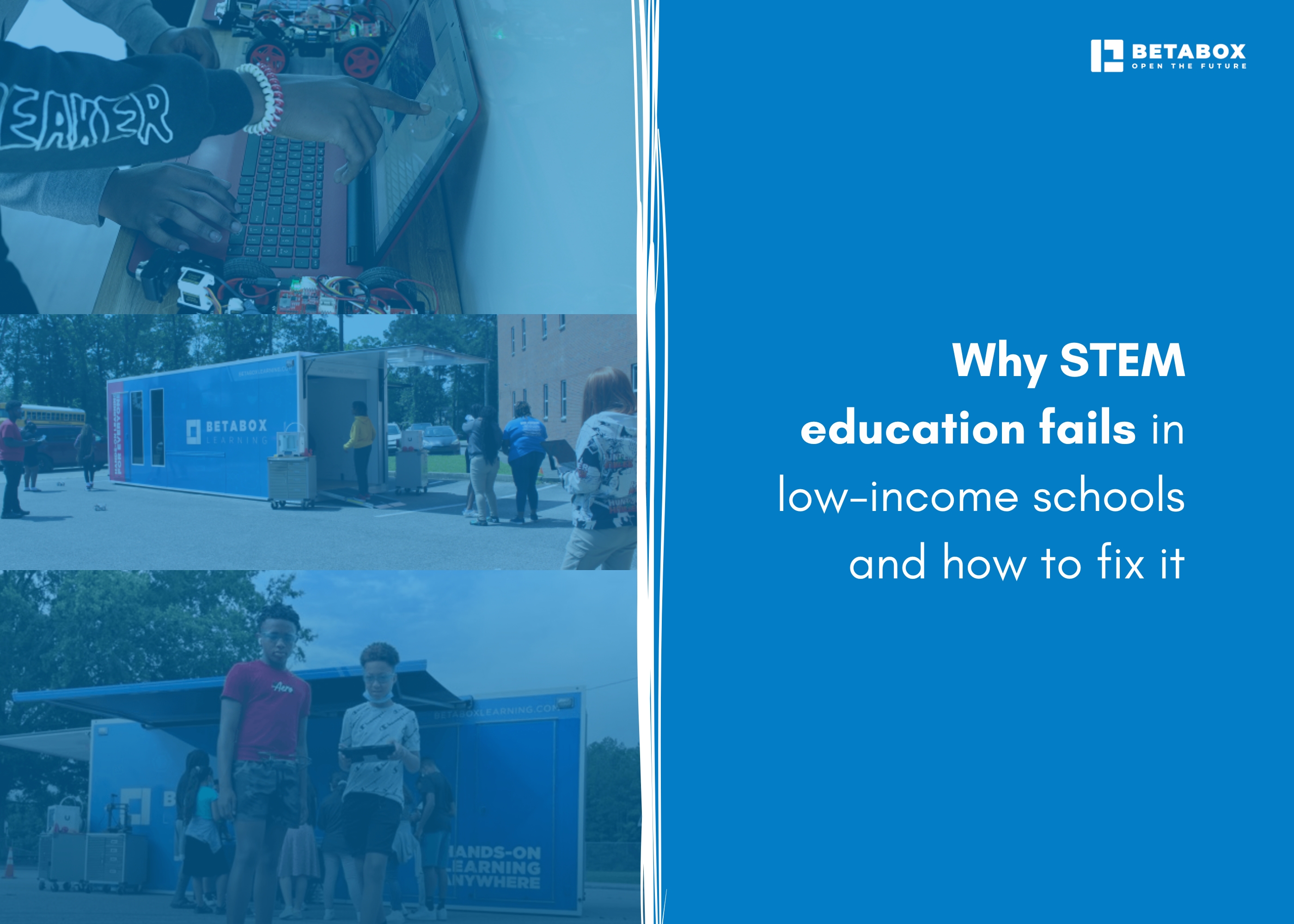
Students in low-income schools face a sobering reality. While STEM jobs continue growing, students in underserved communities remain locked out of opportunities that could change their futures. The problem isn't a lack of potential, but a system that systematically denies access to quality STEM education where it's needed most.
STEM inequality doesn't emerge in high school. Achievement gaps appear as early as elementary school, creating a foundation of inequity that compounds year after year. High-poverty schools consistently receive fewer instructional resources than their wealthier counterparts.
Within the same districts, schools with high concentrations of low-income and minority students have access to:
The contrast is stark. Students in high-income schools have significantly greater access to physics classes and advanced mathematics courses compared to their peers in low-income schools. When students lack access to foundational STEM courses, they can't build the knowledge base required for advanced study and technology careers.
Access to technology remains one of the most visible barriers to equitable STEM education. Households with lower incomes have significantly less daily access to technology compared to higher-income households. Where students live, their family's income, and the resources available at their schools determine whether they can participate in coding projects, access online STEM resources, or develop digital literacy skills.
After COVID-19 exposed these disparities, the gap persists. Many U.S. households with school-age children still lack high-speed internet access at home. Without reliable connectivity and devices, students cannot complete assignments, explore STEM concepts through interactive tools, or prepare for technology-dependent careers.
The digital divide affects everything from basic homework completion to developing the computational skills required for future STEM careers. As education evolves to meet the changing nature of work, students without technology access fall further behind.
For the 2024-25 school year, dozens of states reported shortages in science and math educators. Underserved schools face the most severe shortages. Educators in rural schools often teach multiple subjects simultaneously, sometimes resulting in diluted STEM course content. Meanwhile, suburban districts attract specialized STEM educators with cutting-edge tools and professional development opportunities.
When students lack access to qualified STEM educators, they're less likely to see themselves as capable in these fields. Representation matters deeply. With the teaching workforce not reflecting student demographics, many students never encounter role models who share their experiences and can envision their success in STEM careers.
The good news is that evidence-based solutions exist. Schools and districts that prioritize equity are seeing measurable improvements in STEM engagement and achievement.
Traditional lecture-based STEM instruction fails to engage students or build real understanding. Hands-on learning experiences allow students to explore scientific concepts through experimentation, build confidence through problem-solving, and see the relevance of STEM to their lives.
Betabox provides turnkey hands-on STEM programs specifically designed for under-resourced schools. Research shows statistically significant improvement in STEM content knowledge after just one hour with properly designed materials, along with measurable increases in STEM identity and interest. When students can physically interact with concepts rather than just read about them, learning becomes accessible and exciting.
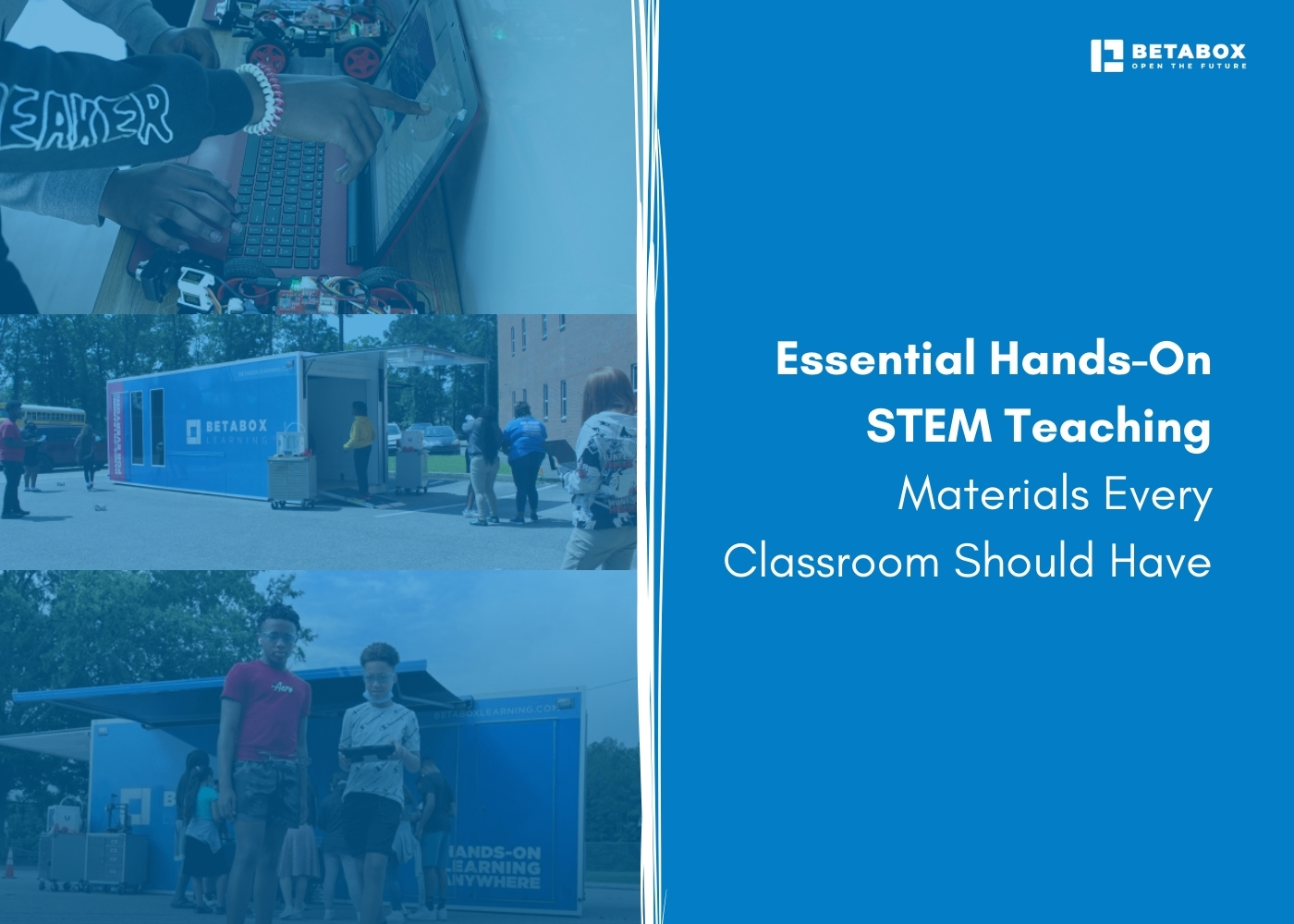
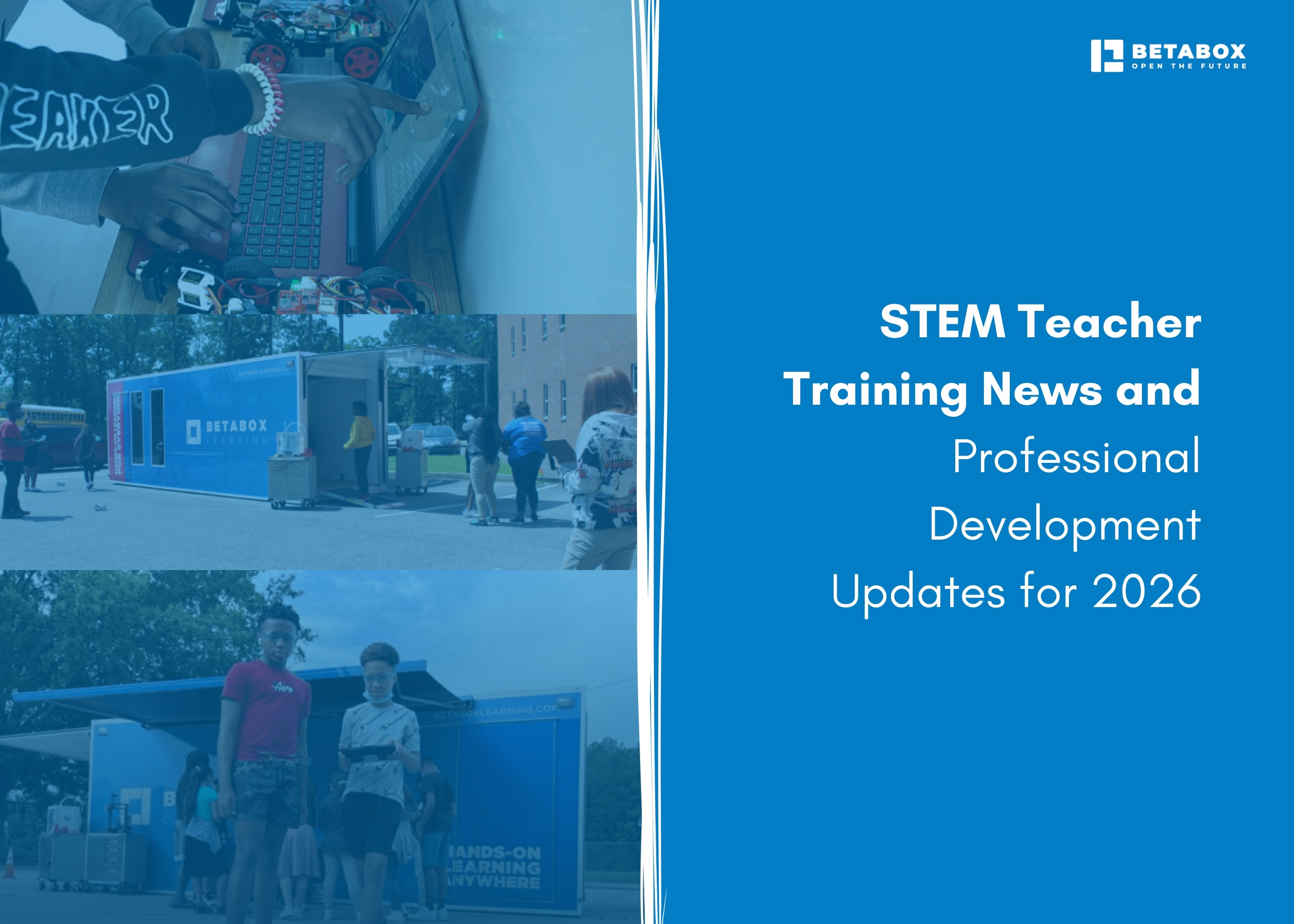
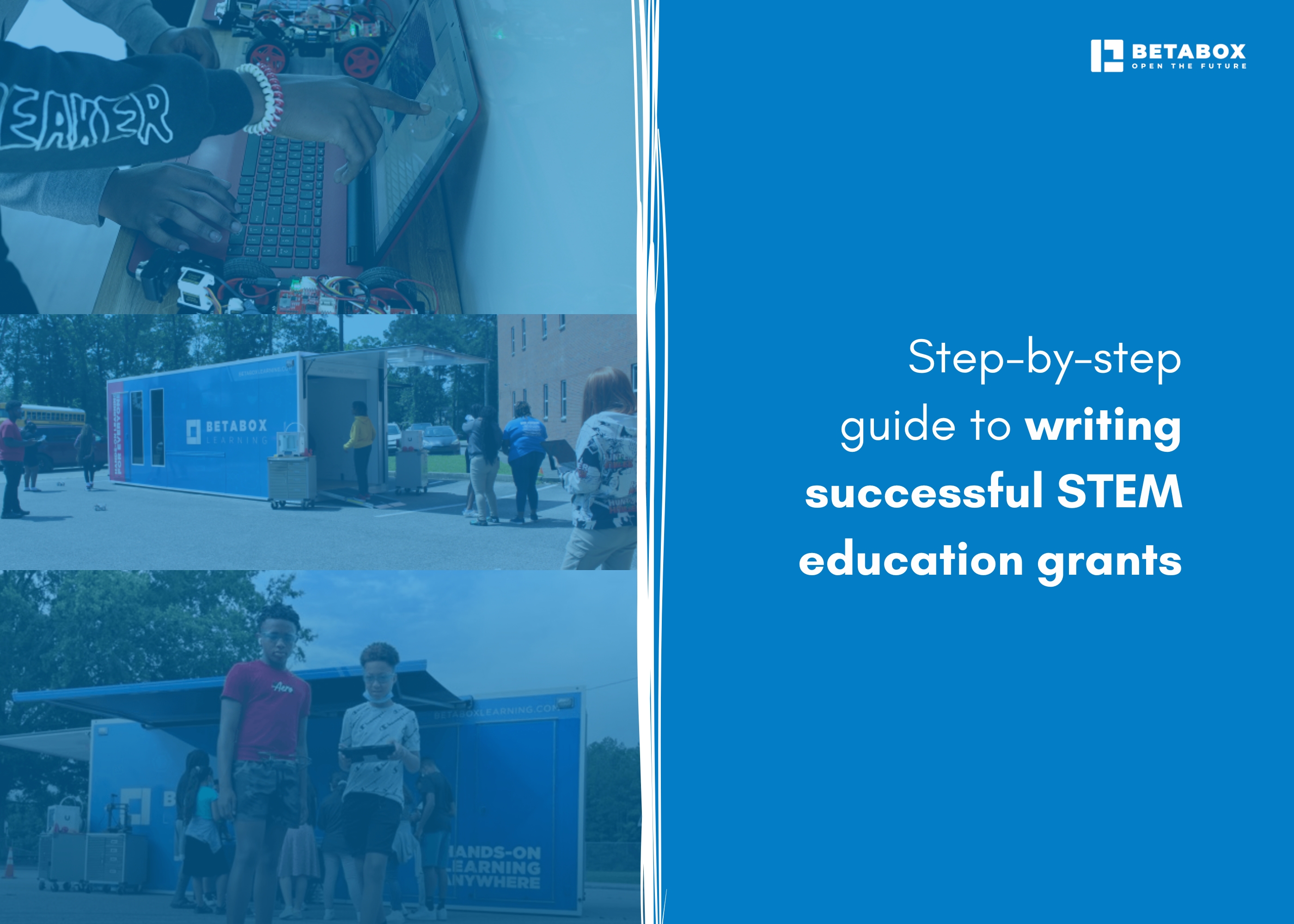
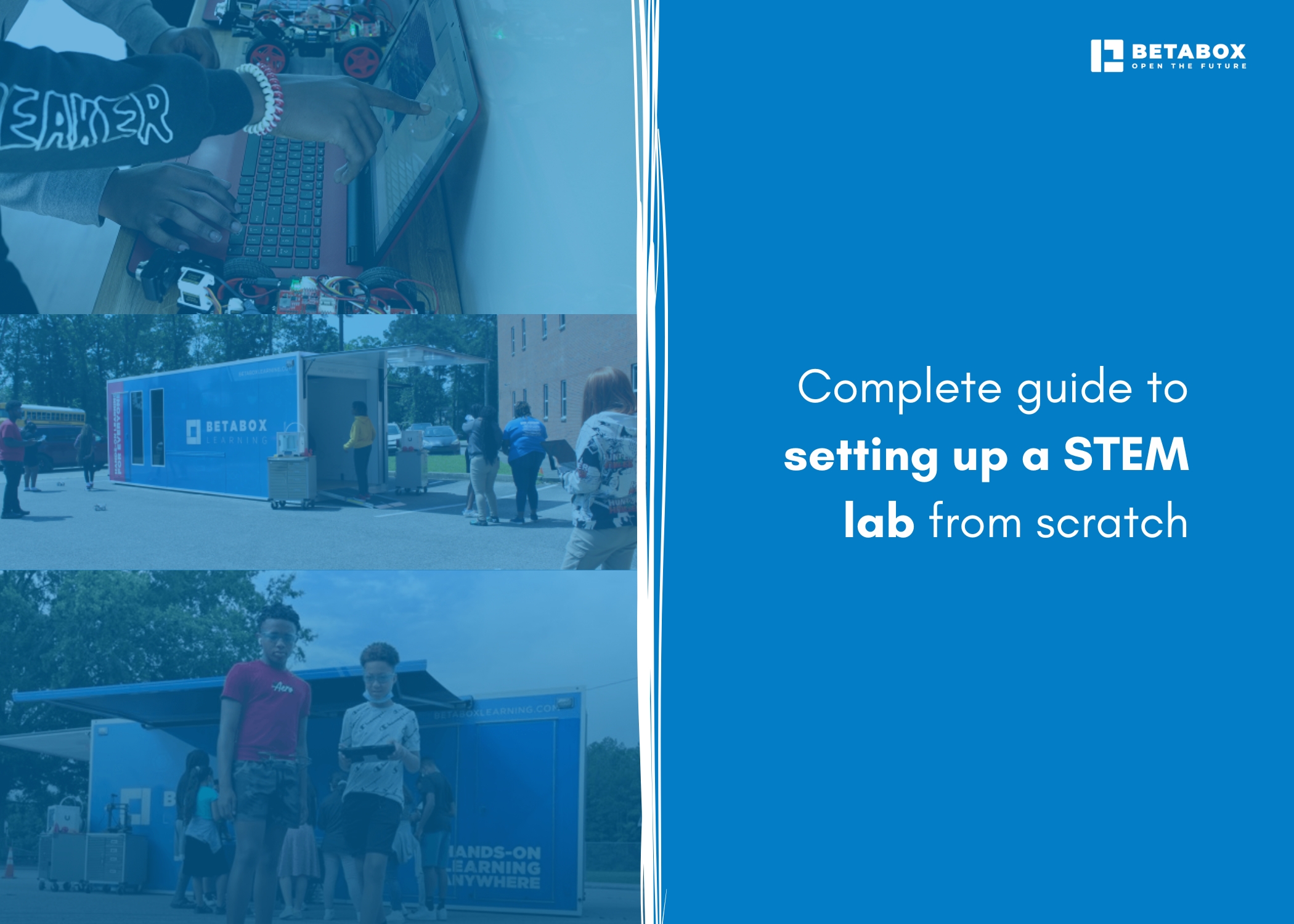
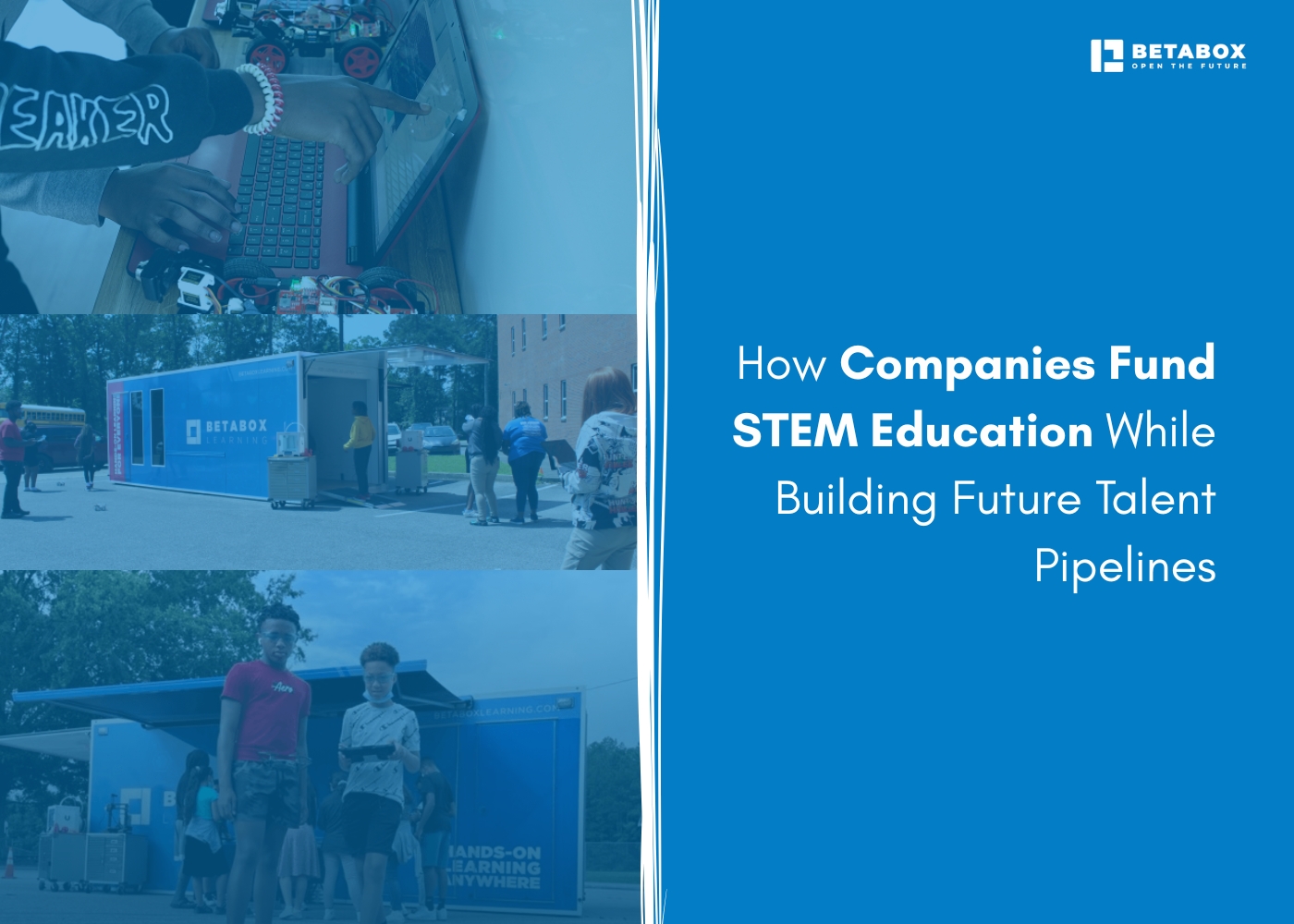
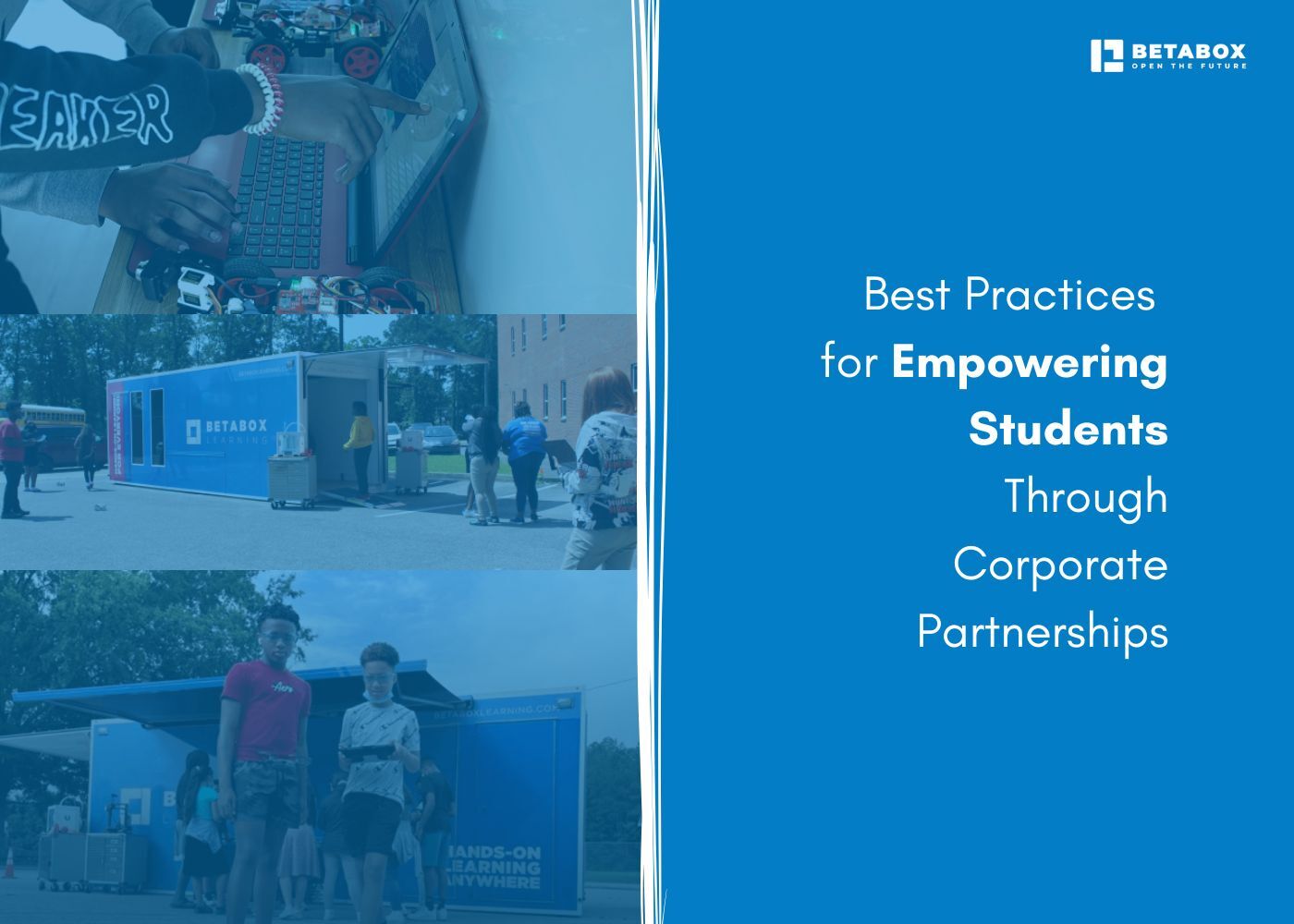
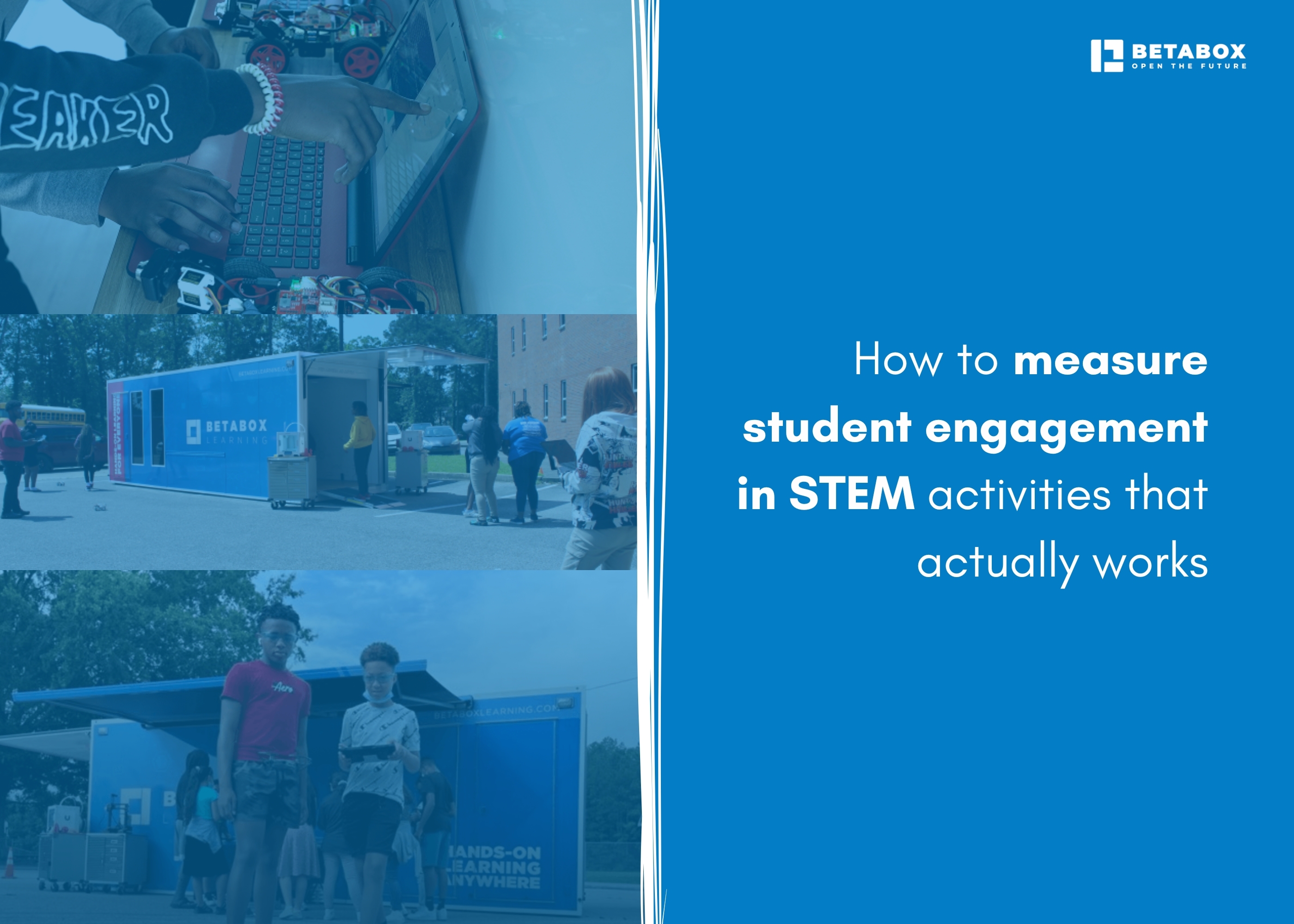
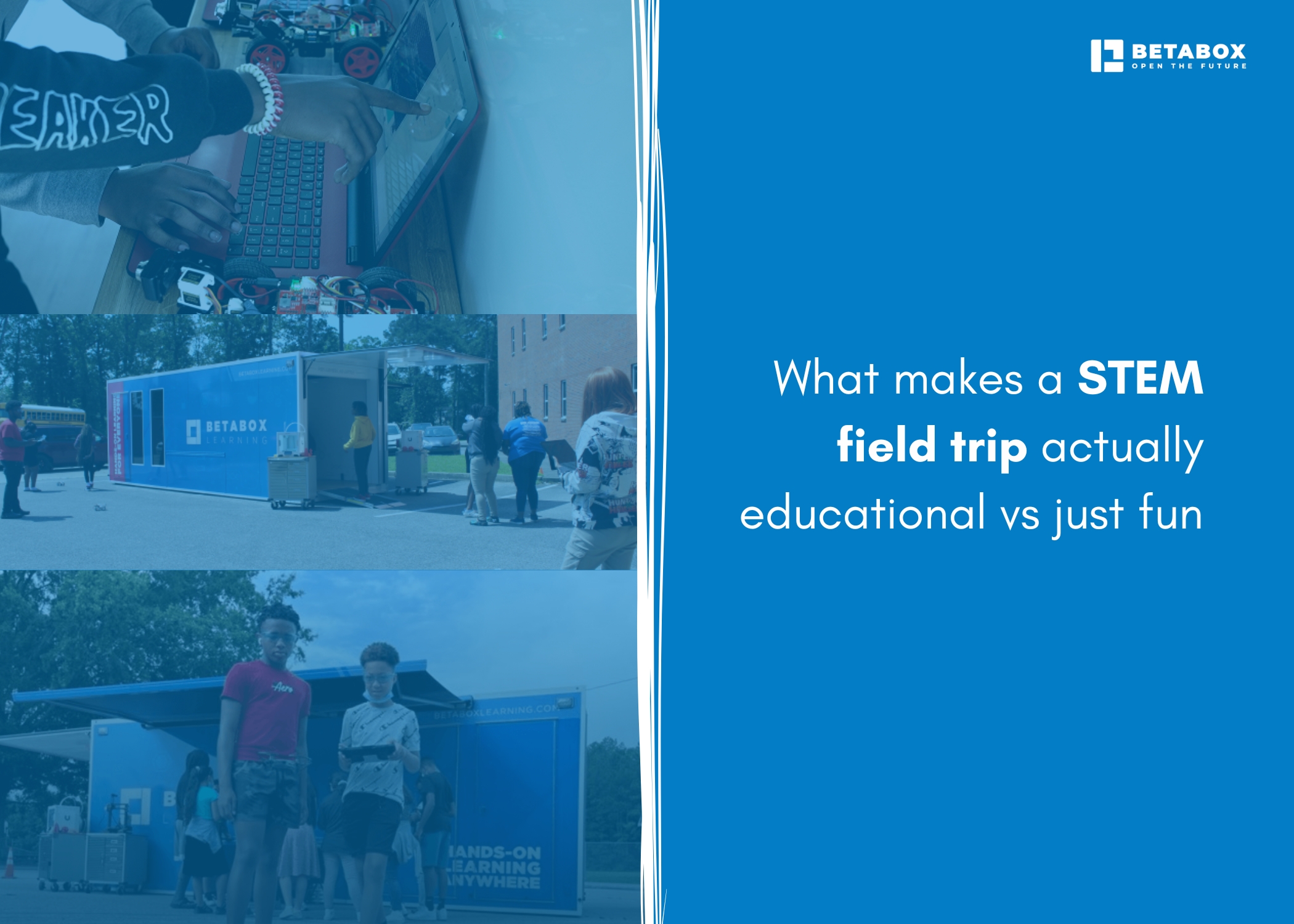
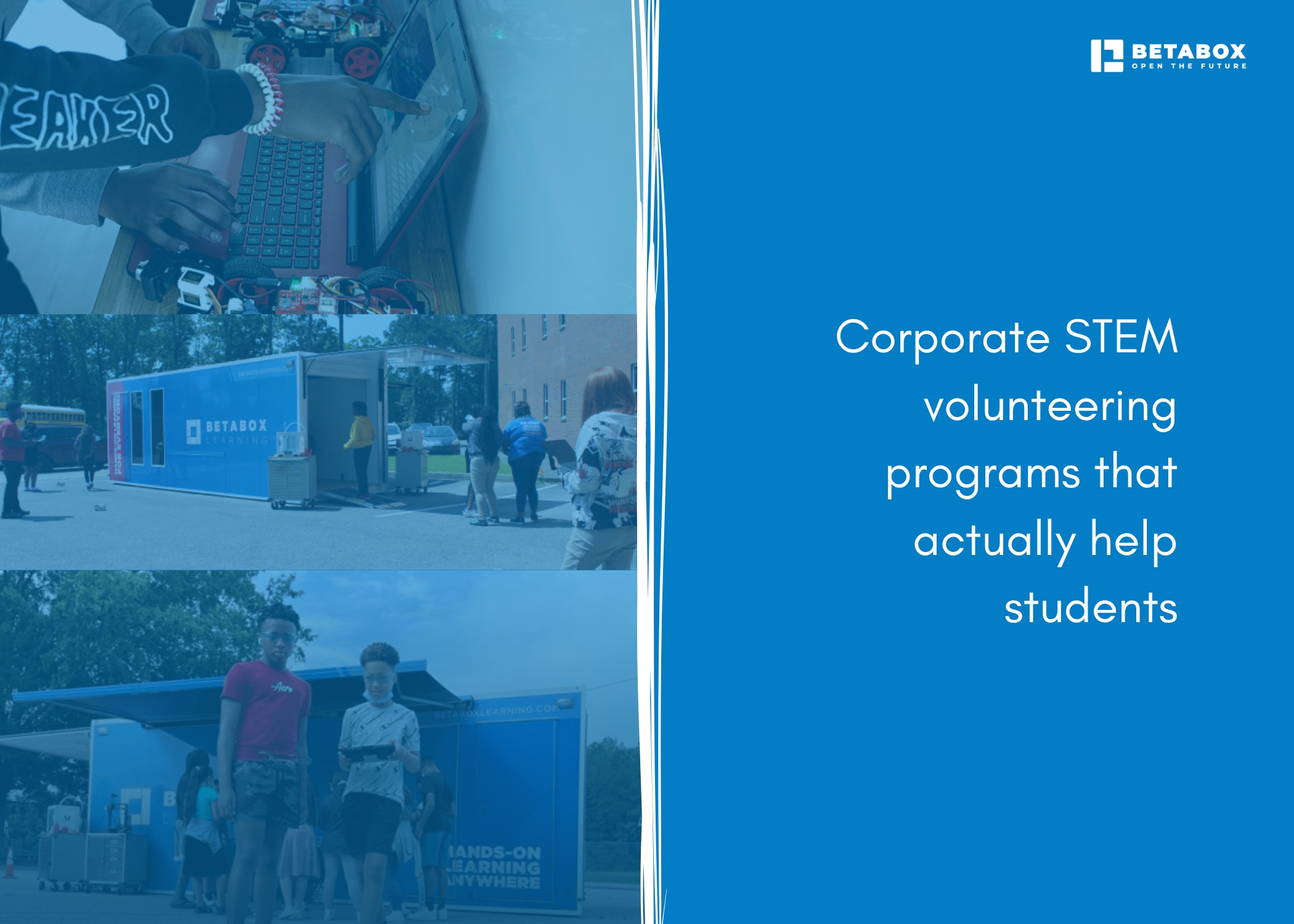
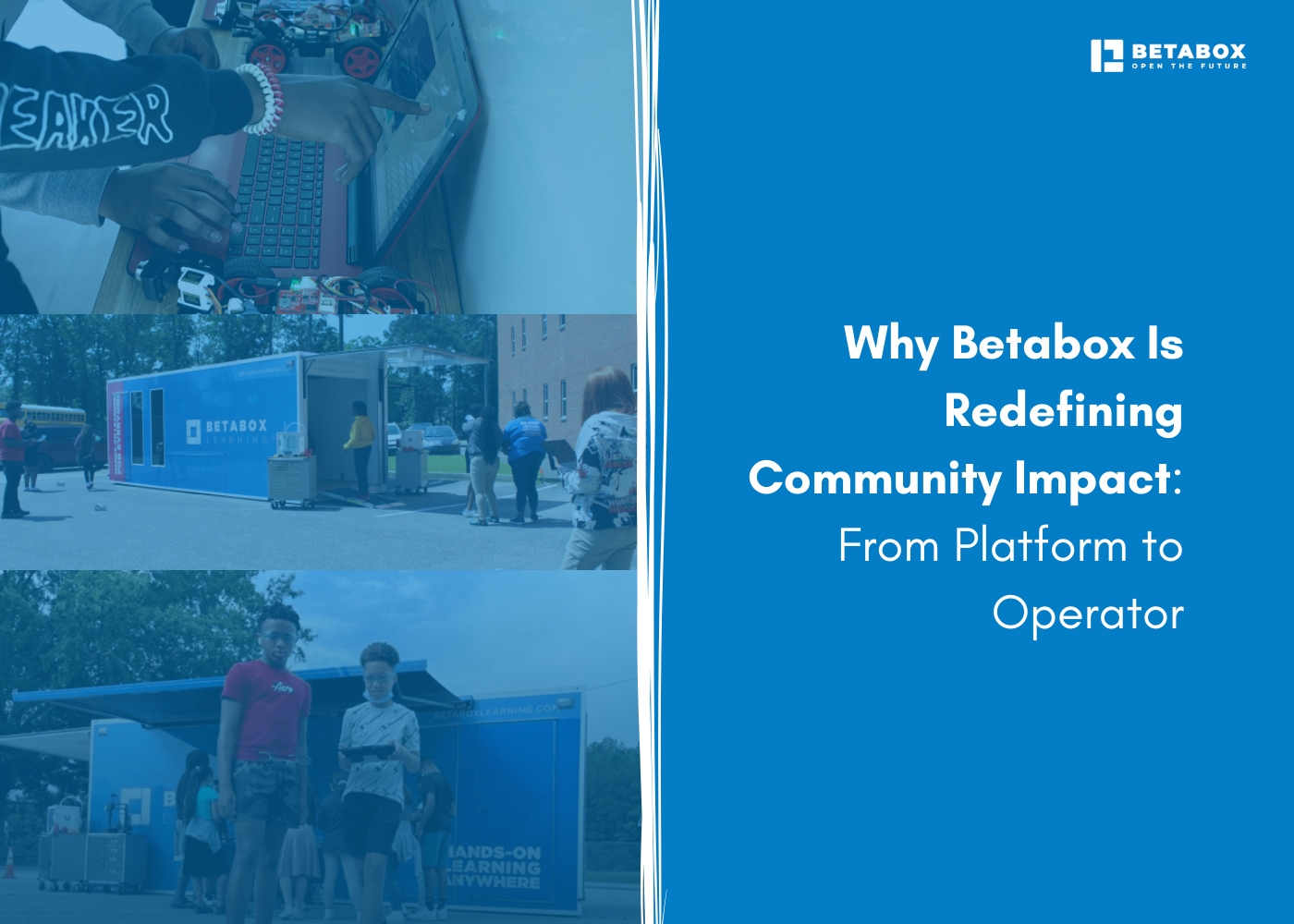
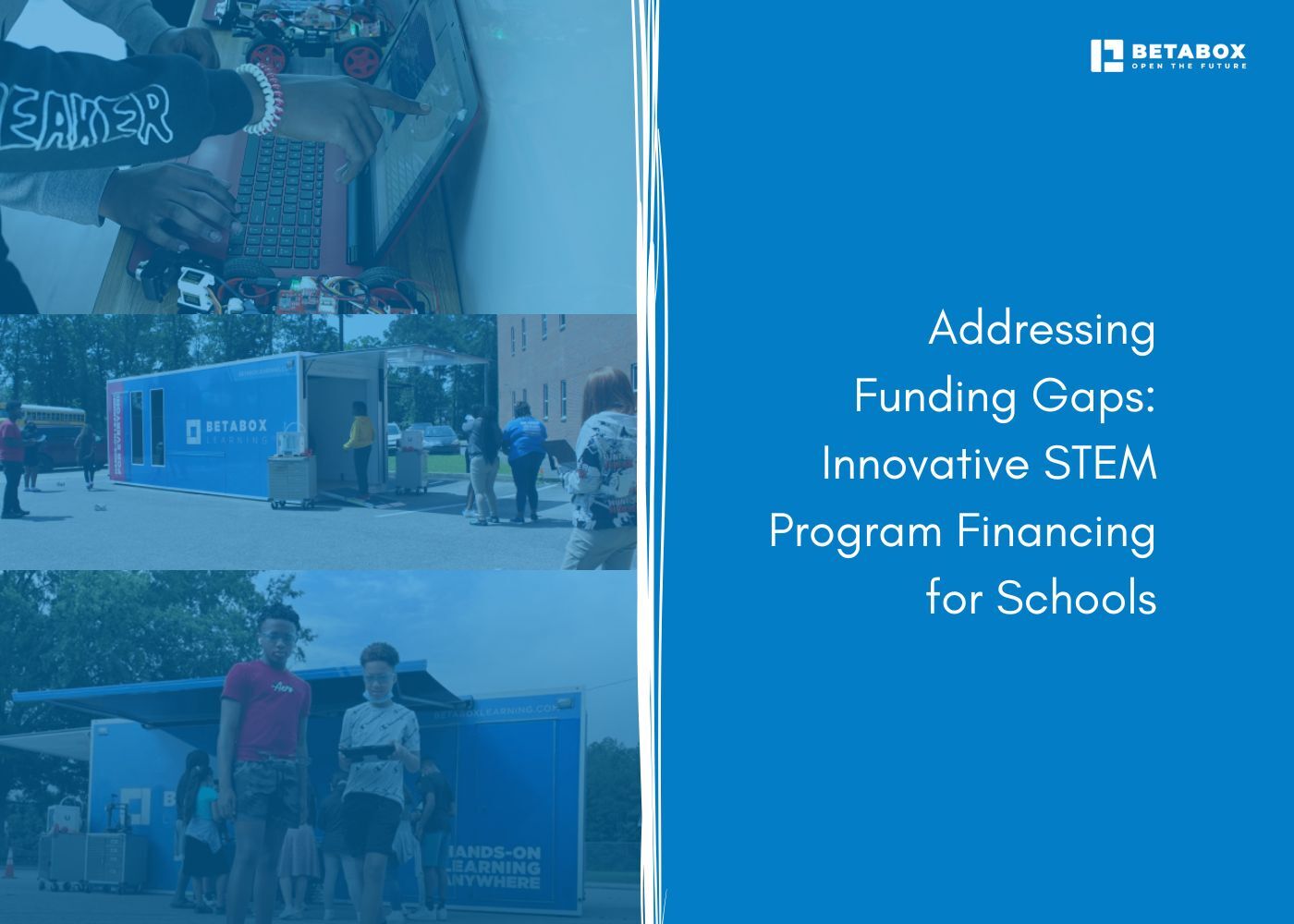
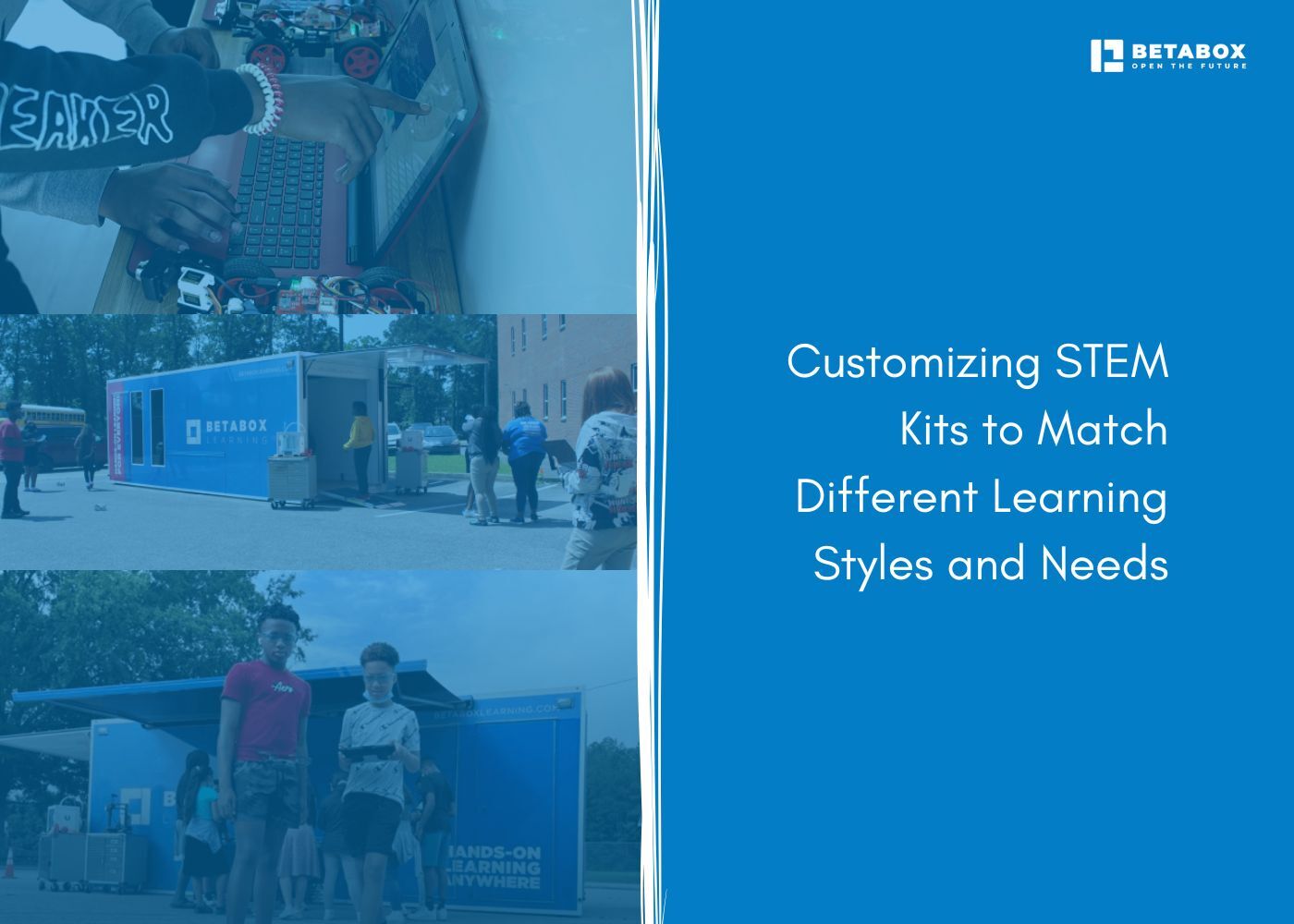
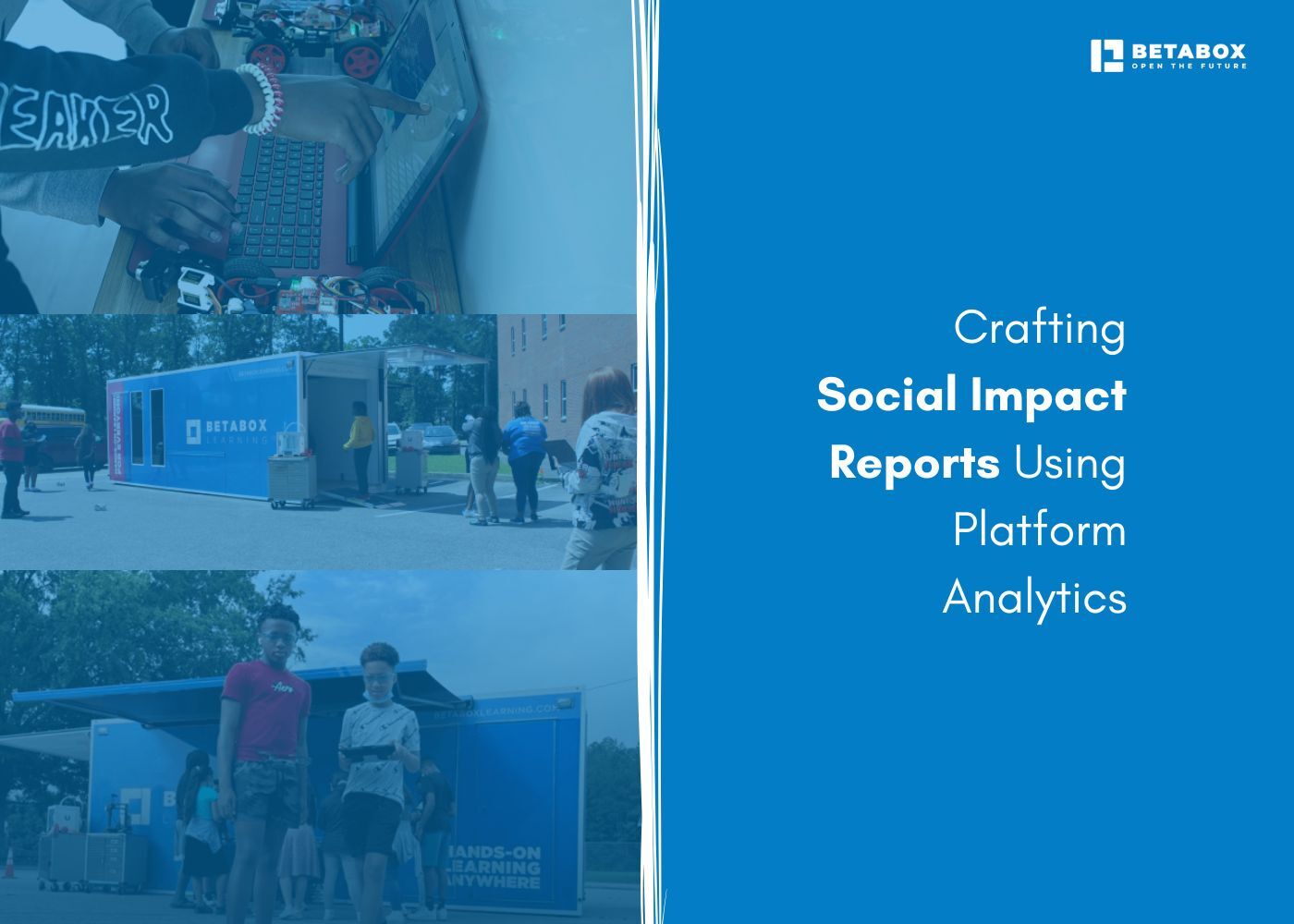
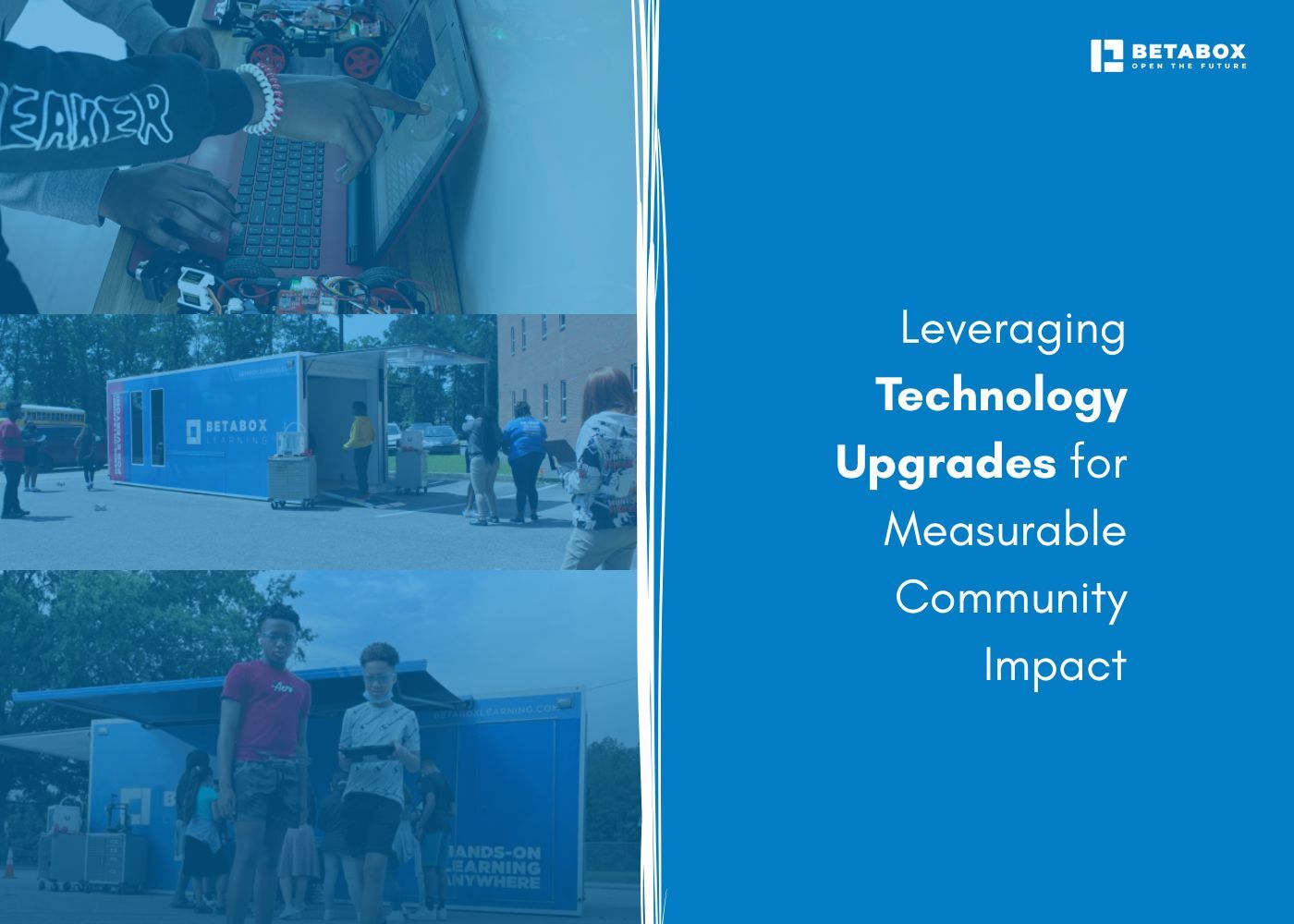
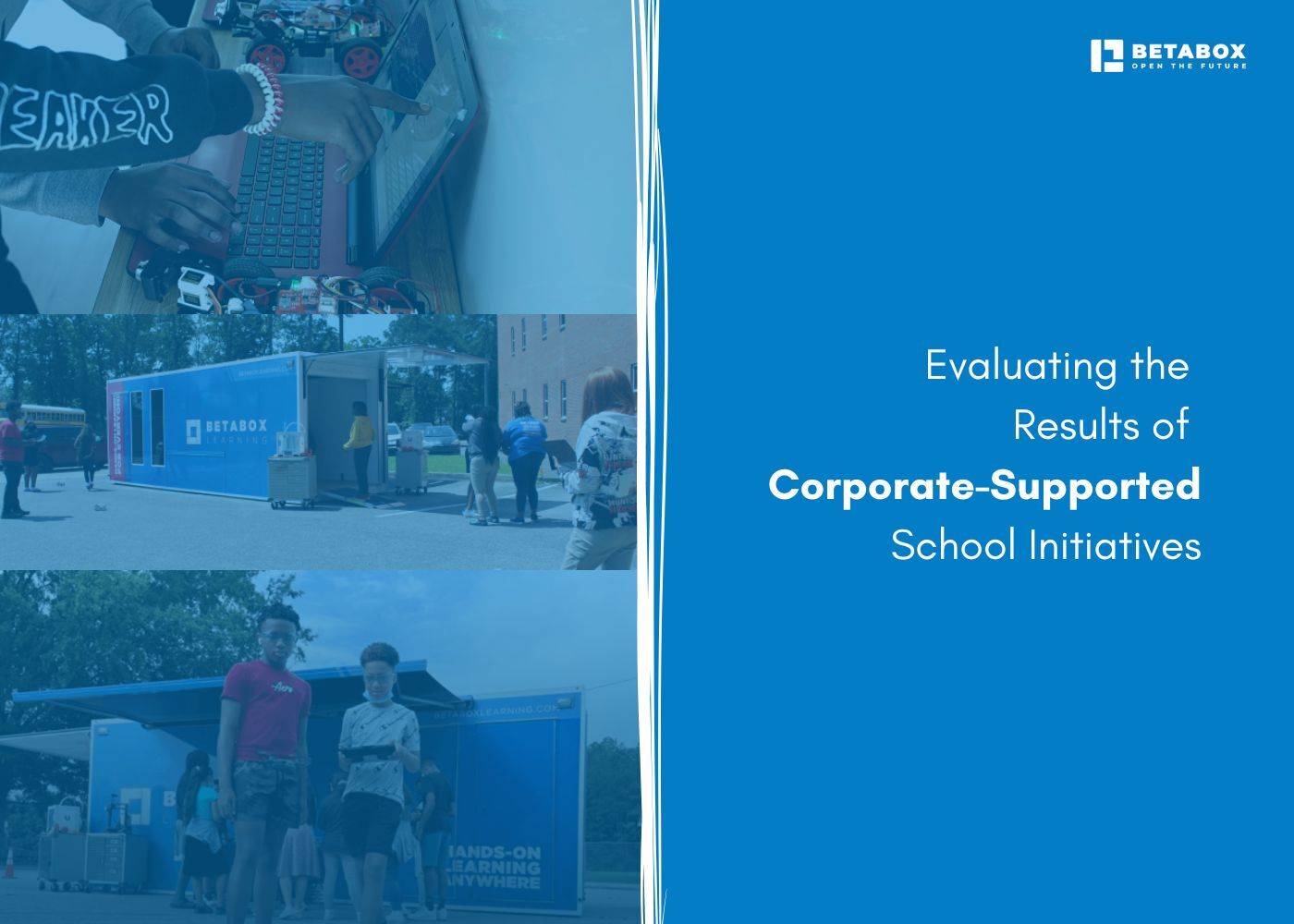
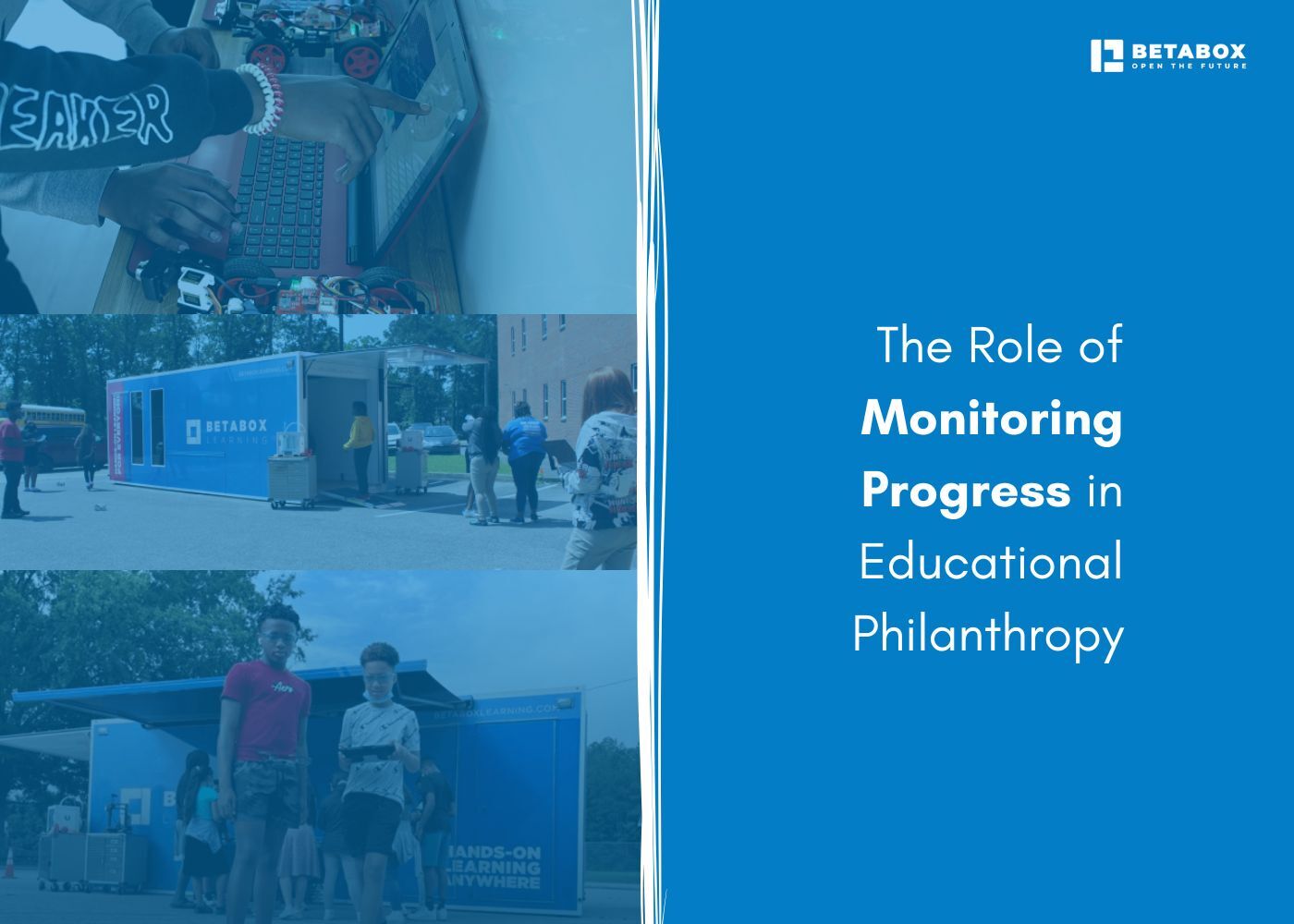
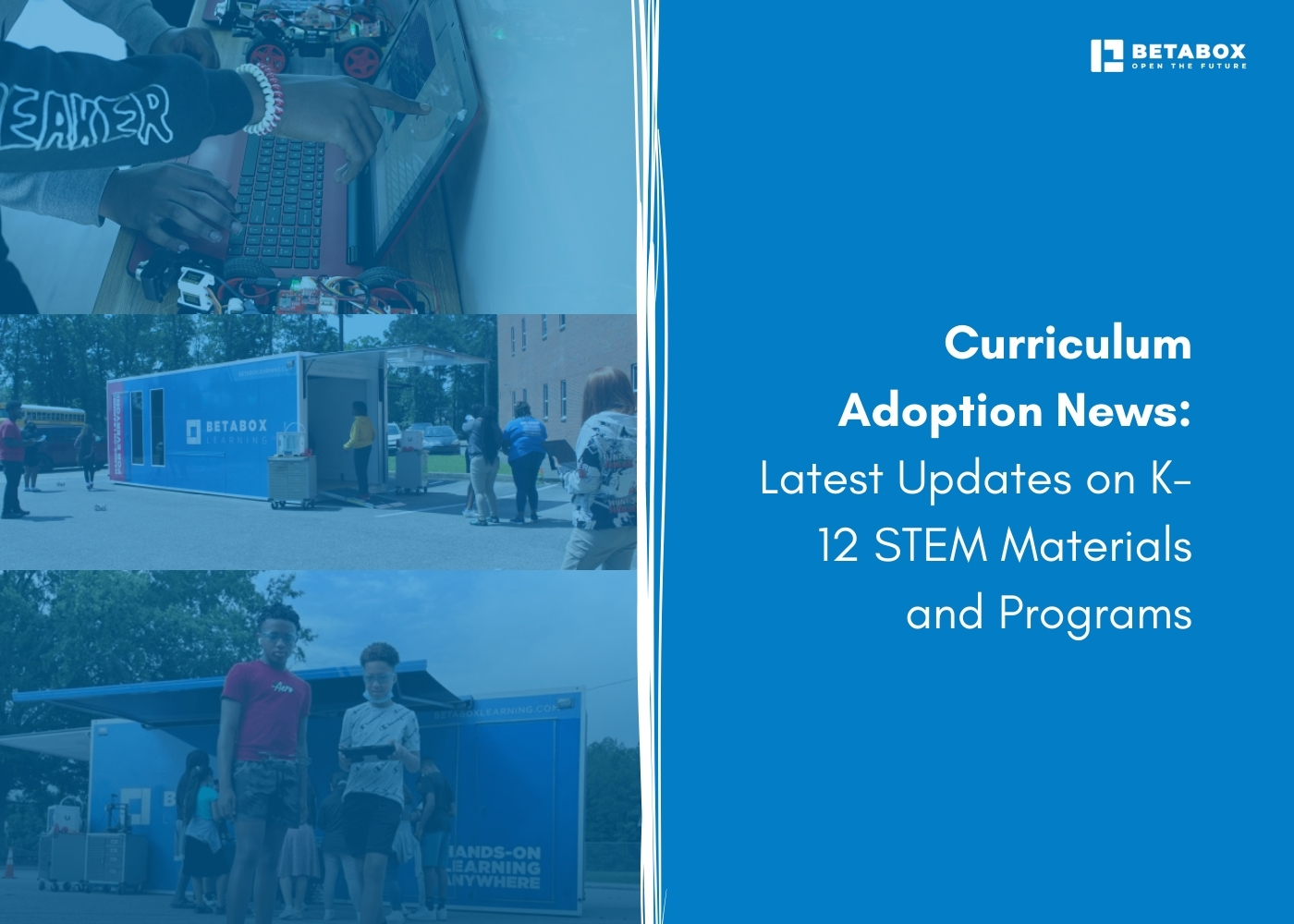
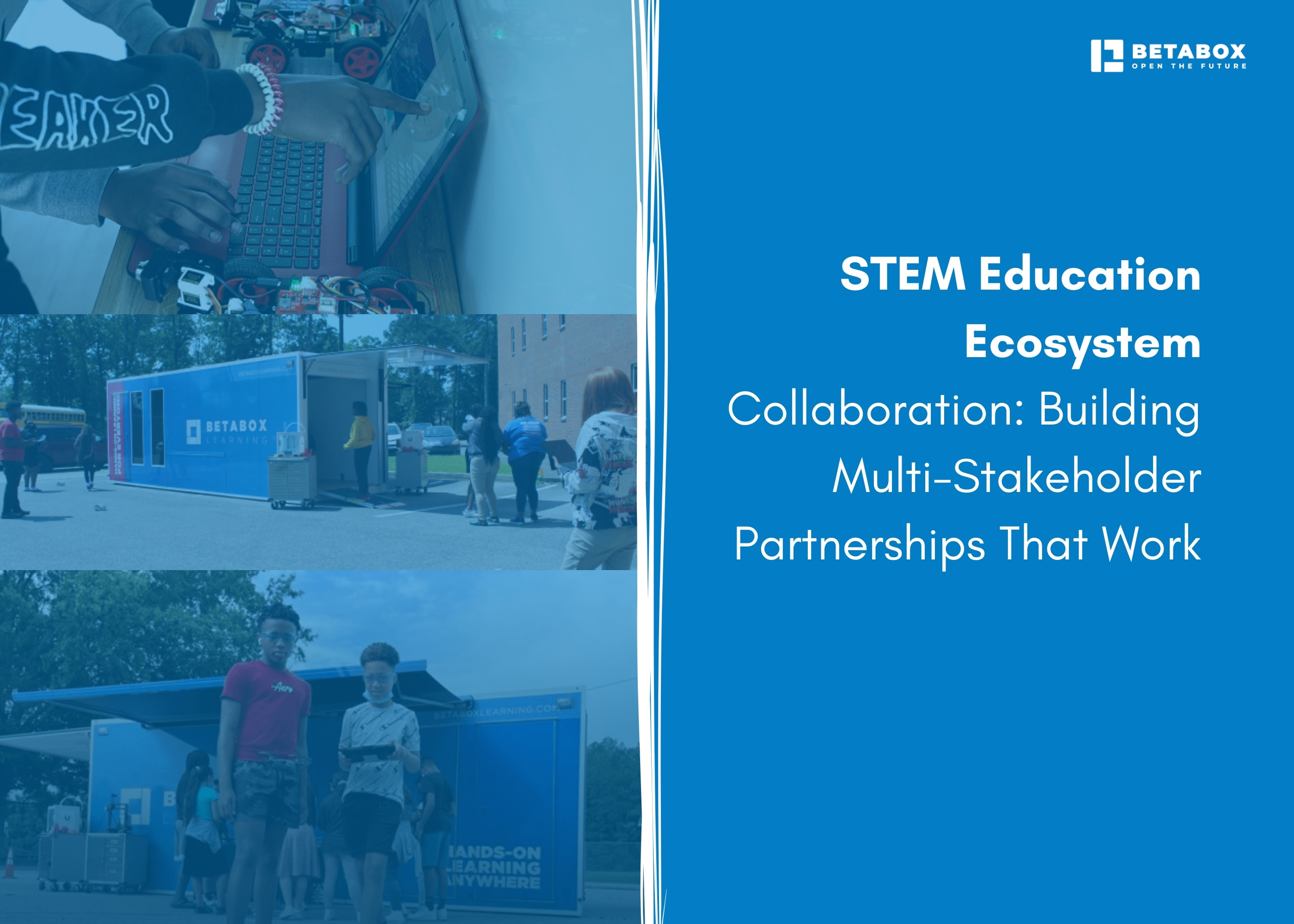
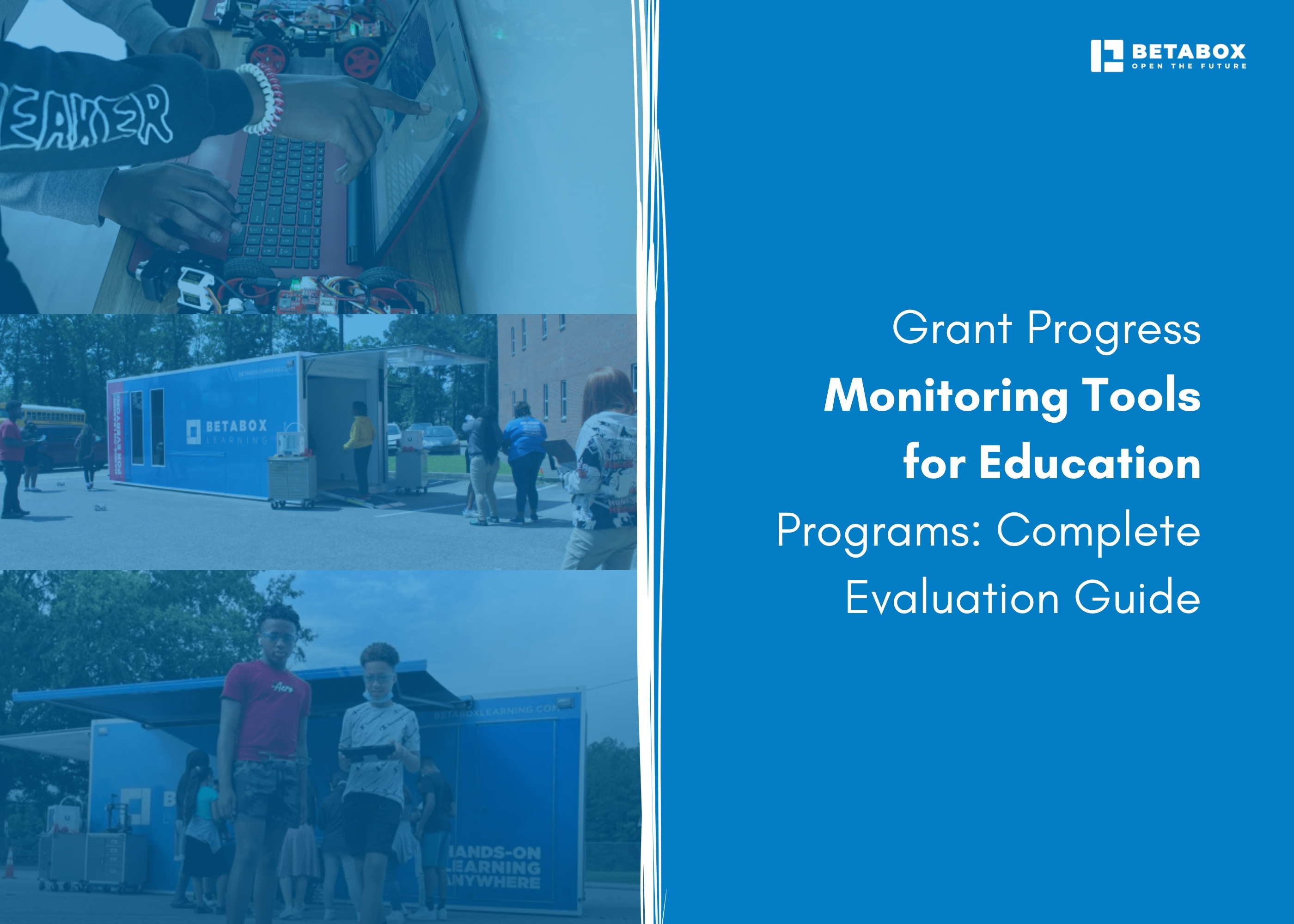
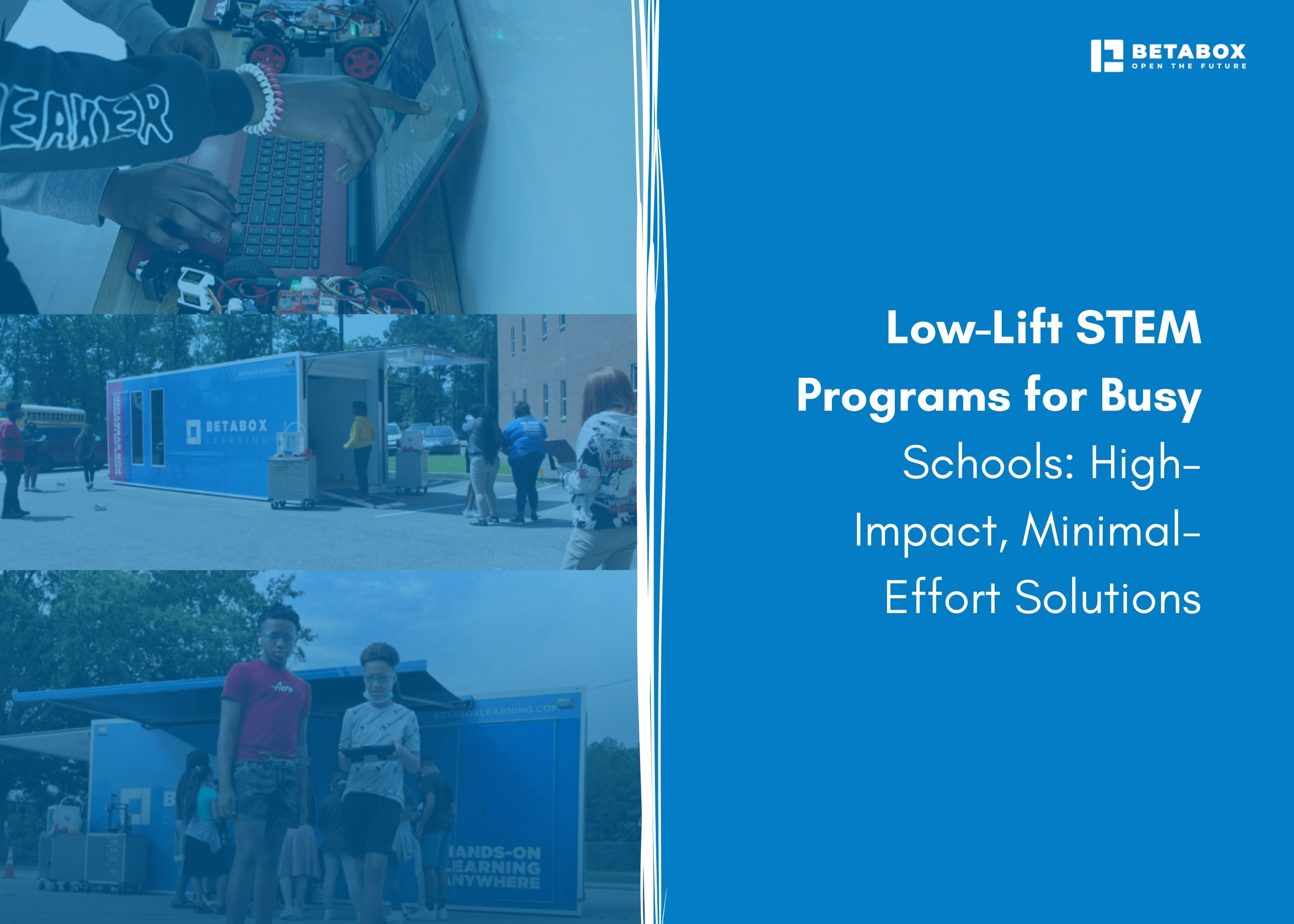
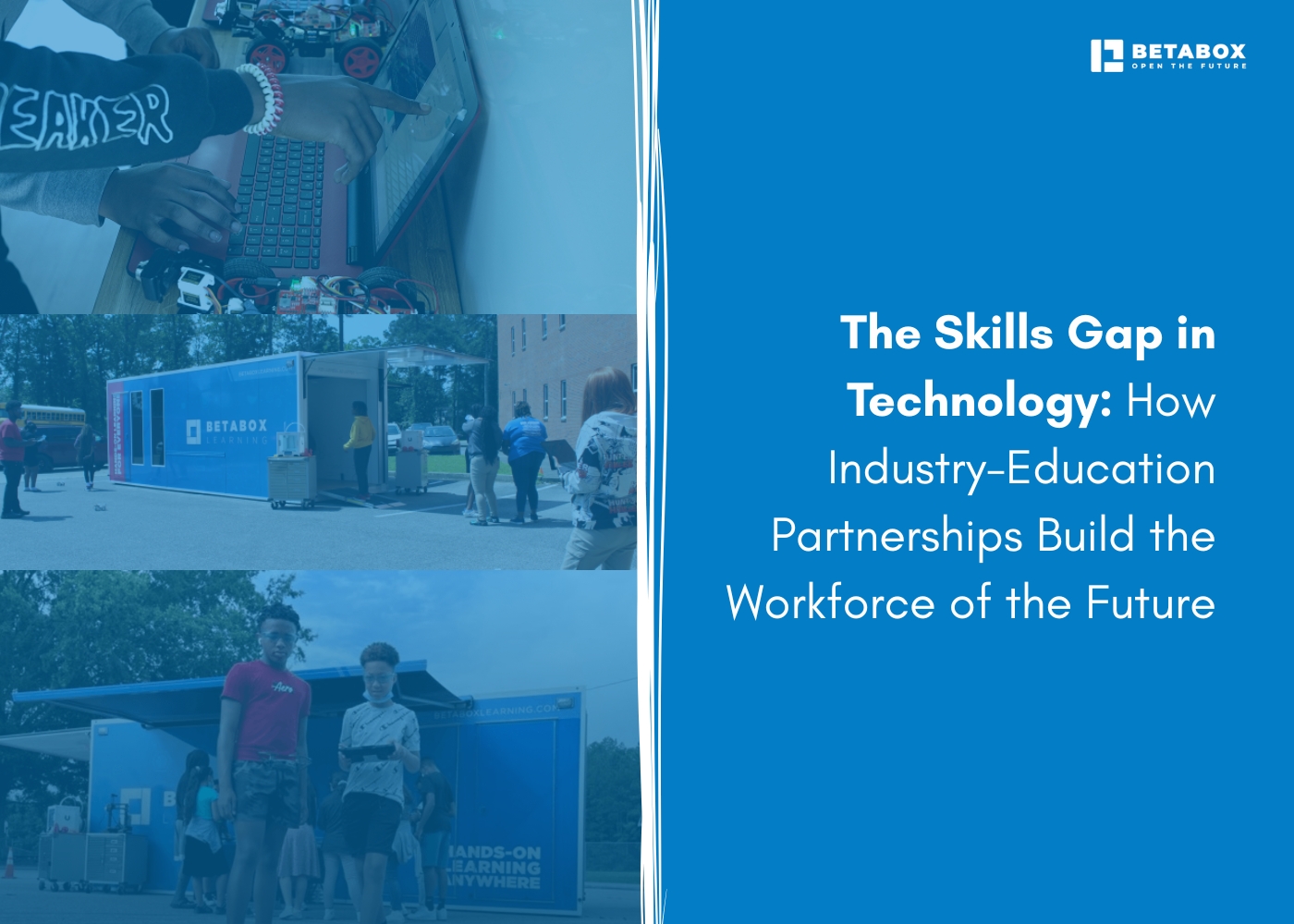
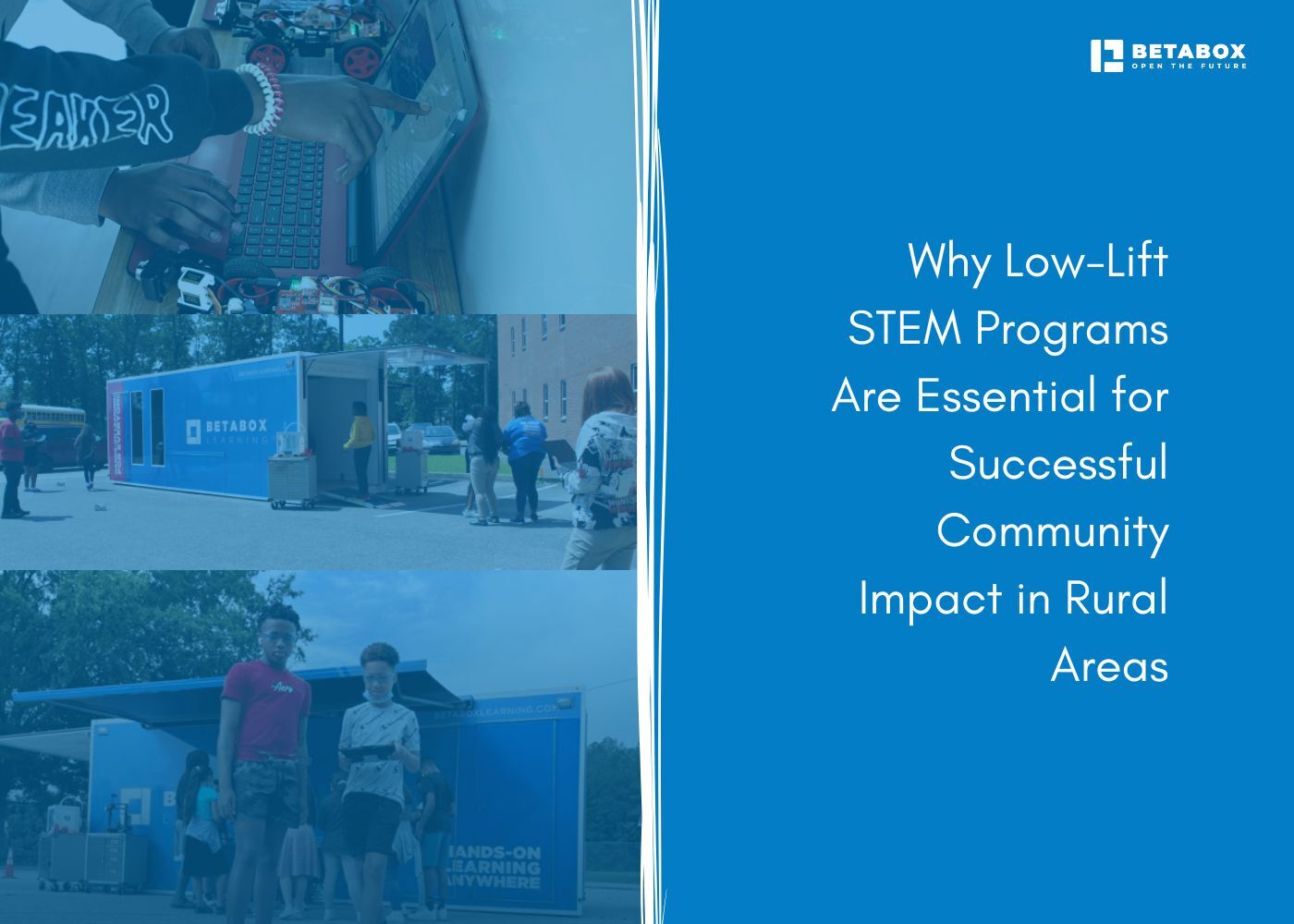
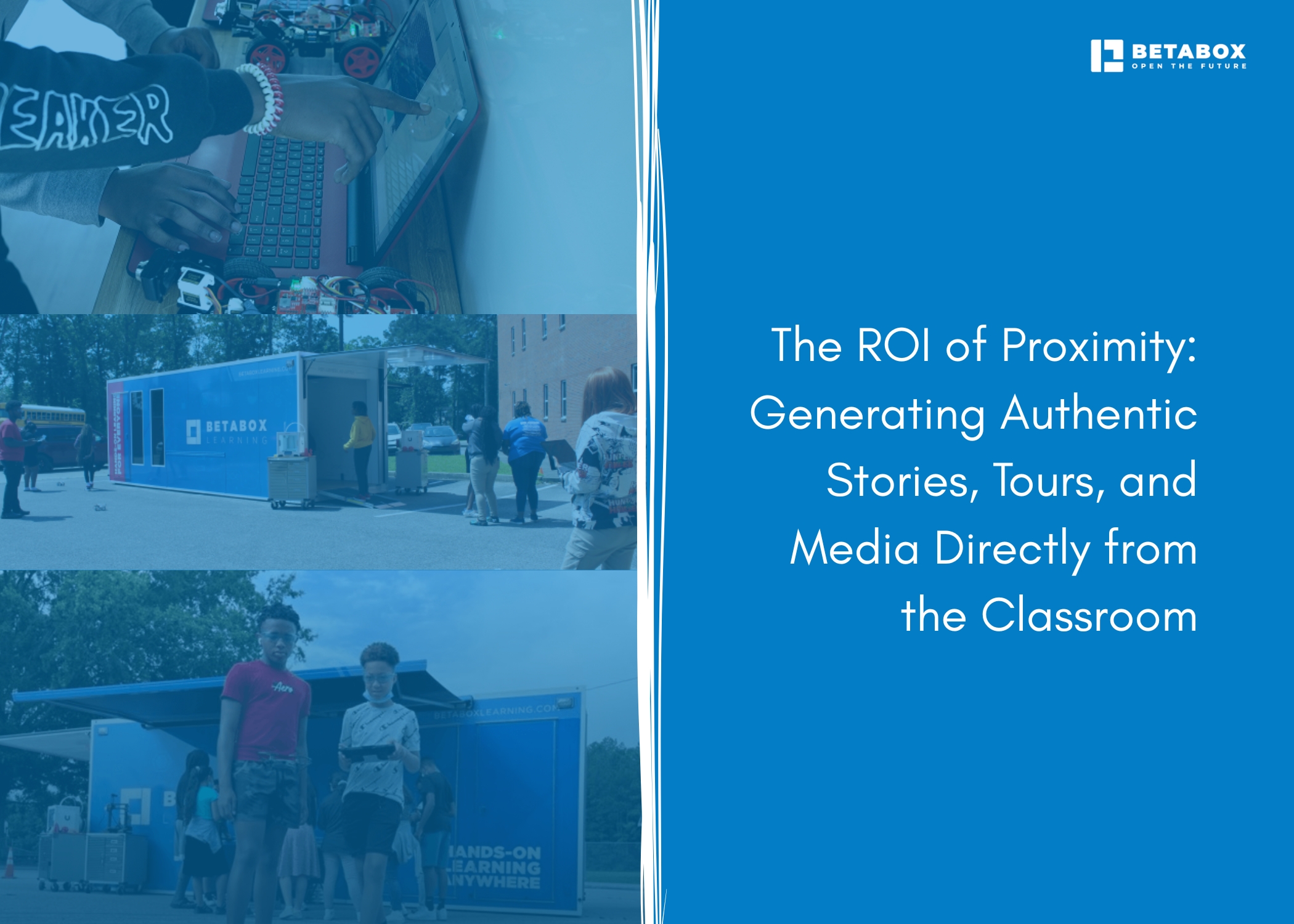
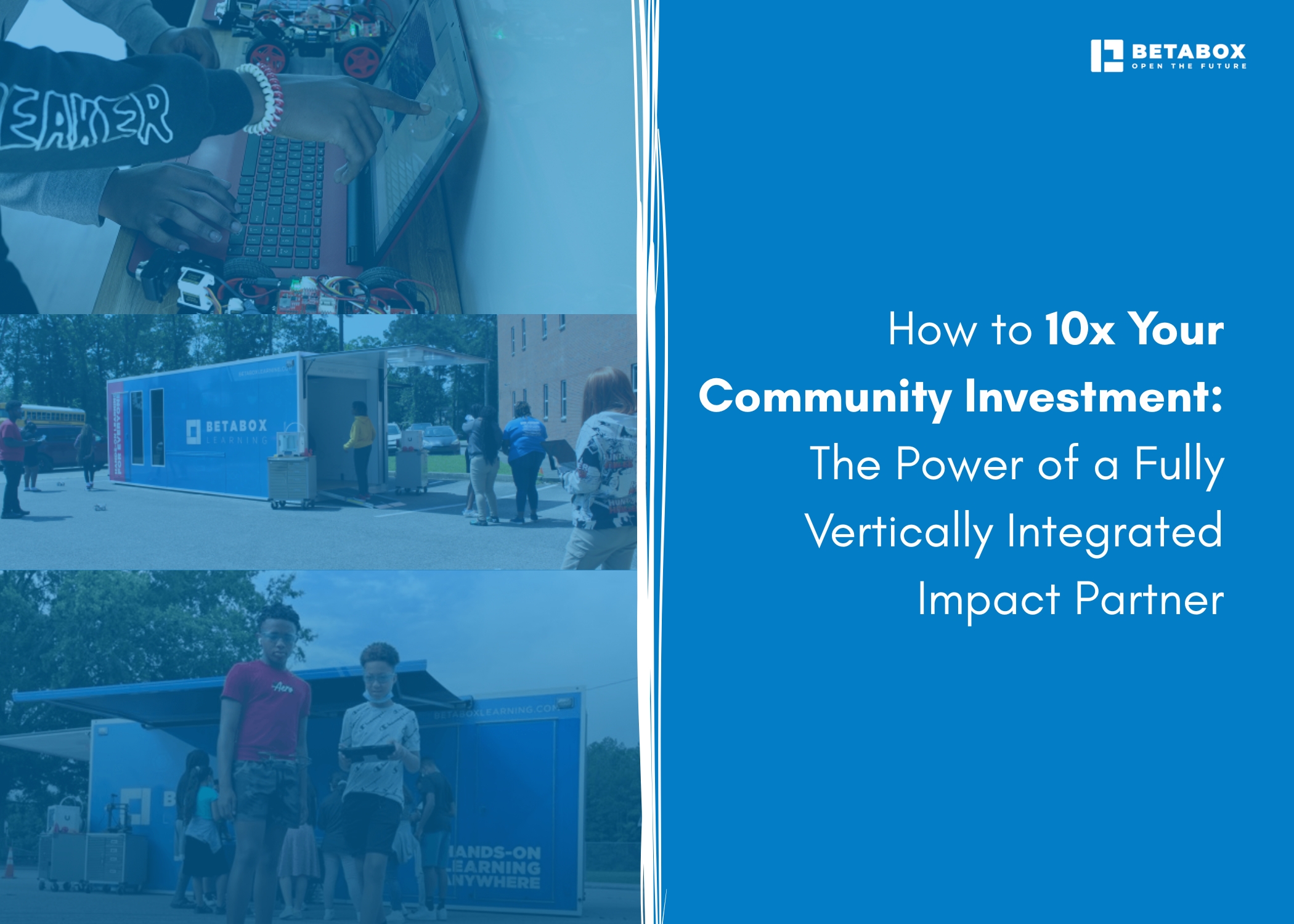
On-site Field Trips bring STEM experiences directly to school parking lots, eliminating transportation barriers while delivering hands-on, expert-led learning. Students who might never visit a science museum or technology center can still engage with robotics, coding, and engineering challenges.
Addressing technology access requires coordinated action from multiple stakeholders. Effective strategies include:
Access alone isn't enough. Schools must integrate digital tools intentionally, ensuring all students develop the computational thinking and technical skills that future careers demand. Technology tools for the classroom should support learning goals while building student capabilities.
Solving teacher shortages requires addressing both recruitment and retention. Districts can:
Professional development should emphasize inclusive digital practices, culturally responsive pedagogy, and Universal Design for Learning approaches that make STEM accessible to all students. Betabox maintains a 90% educator Net Promoter Score specifically because support extends beyond materials delivery to comprehensive educator training.
Automatic enrollment policies for qualified students in rigorous courses have proven effective. Schools should:
When you remove artificial barriers, more students from underserved backgrounds access the coursework that prepares them for STEM careers.
Resource gaps require sustained investment. Schools need reliable funding for:
Organizations committed to educational equity help schools access resources they need. Betabox helps educators secure funding for STEM programs, recognizing that budget limitations shouldn't determine which students receive quality hands-on learning experiences.
We cannot afford to leave any students behind. The solution isn't complicated: provide underserved schools with the resources, educators, technology, and curriculum that wealthy schools take for granted.
Closing the STEM opportunity gap isn't just about fairness. As technology reshapes every industry, students without strong STEM foundations will lack access to economic opportunity. When we invest in hands-on STEM education for all students, we create pathways into technology careers and ensure the future works for everyone.
Betabox has served over 500,000 students, demonstrating that with proper support and resources, schools in underserved communities can deliver transformative STEM experiences. Every student deserves the opportunity to see themselves as someone who can succeed with technology, regardless of their zip code.
What causes STEM education inequality in low-income schools?
Multiple factors contribute, including inadequate funding leading to fewer resources and larger class sizes, severe shortages of qualified STEM educators, limited access to technology and internet connectivity, and fewer offerings of advanced STEM courses.
How does the digital divide affect STEM learning?
Students without reliable internet access and devices cannot complete online assignments, access STEM resources, develop coding skills, or prepare for technology-dependent careers. Households with lower incomes have significantly less daily technology access than higher-income households.
What solutions have proven effective for improving STEM education equity?
Evidence-based solutions include hands-on learning programs, device loan and connectivity initiatives, strategic hiring and retention of qualified STEM educators, automatic enrollment in advanced courses for qualified students, and sustained funding for modern equipment.
How can schools close STEM achievement gaps?
Schools should prioritize hands-on learning experiences, expand access to advanced coursework, invest in educator professional development, address the digital divide through partnerships, and create sustainable funding models that provide equitable resources across all schools.
Why do teacher shortages disproportionately affect underserved schools?
Underserved schools often cannot compete with suburban districts on salary, resources, or working conditions. Without qualified STEM educators, students receive lower-quality instruction and lack role models who can inspire them to pursue technology careers.
How can my school access hands-on STEM programs?
Partner with organizations committed to closing resource gaps like Betabox, which provides turnkey solutions including equipment, curriculum, and educator training. Programs designed specifically for under-resourced schools eliminate common barriers while delivering measurable learning outcomes.


Ready to learn how Betabox resources can be implemented at your school or District?
Book a Blueprint Call

.jpg)

.jpg)
.jpg)
.jpg)






.jpg)

At Betabox Learning, we are passionate about making hands-on STEM curricula accessible to all students.






.jpg)