A student's zip code shouldn't determine their STEM opportunities. Yet across the country, access to quality science, technology, engineering, and math education varies dramatically based on school resources, community wealth, and geographic location.
Equity in STEM education means every student has the chance to explore, learn, and envision themselves in technology careers. The gap exists, but schools, districts, and partners are closing it through intentional programs and practices. Here's what's working.
Before solving a problem, you need to see it clearly. STEM opportunity gaps affect specific communities in predictable patterns.
Schools in lower-income communities often lack basic STEM infrastructure. Outdated technology, limited lab equipment, and insufficient materials create barriers before instruction even begins. Teachers may lack specialized training, and class sizes may prevent hands-on learning. Students in these environments miss foundational experiences their peers in well-resourced schools take for granted.
Students need to see people like themselves in STEM fields. When girls, students of color, rural students, and students from low-income backgrounds don't encounter scientists and engineers who share their background, imagining themselves in those careers becomes harder. Role models and mentors who reflect student diversity help bridge this psychological gap.
Rural and remote schools face unique challenges. Field trips to tech companies, university partnerships, and industry mentorship programs that urban students access readily may be logistically impossible. Bridging the digital dividerequires creative solutions that bring opportunities to students rather than expecting students to travel to opportunities.
Effective equity programs share common elements: they meet students where they are, reduce barriers, and build pathways toward careers.
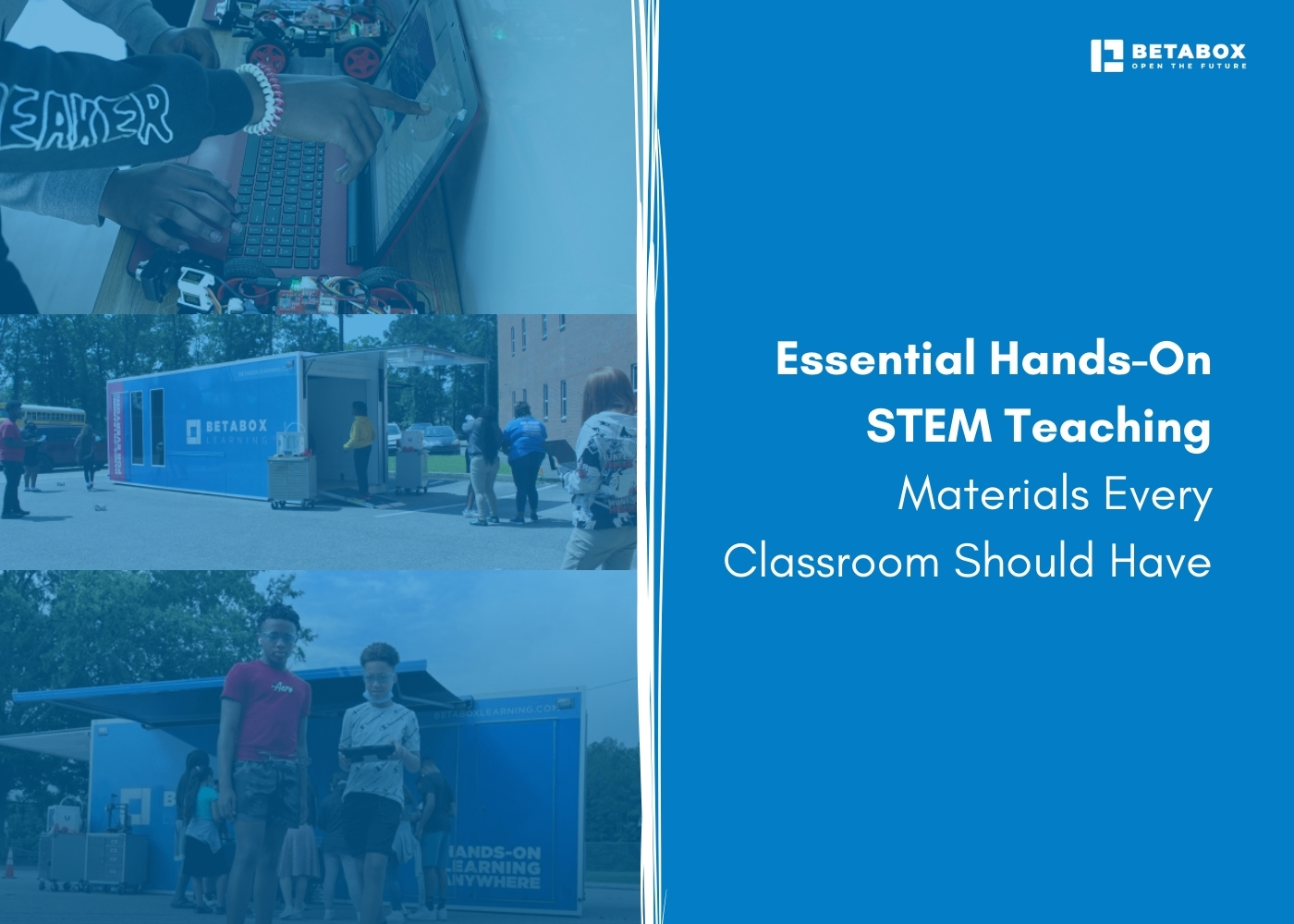
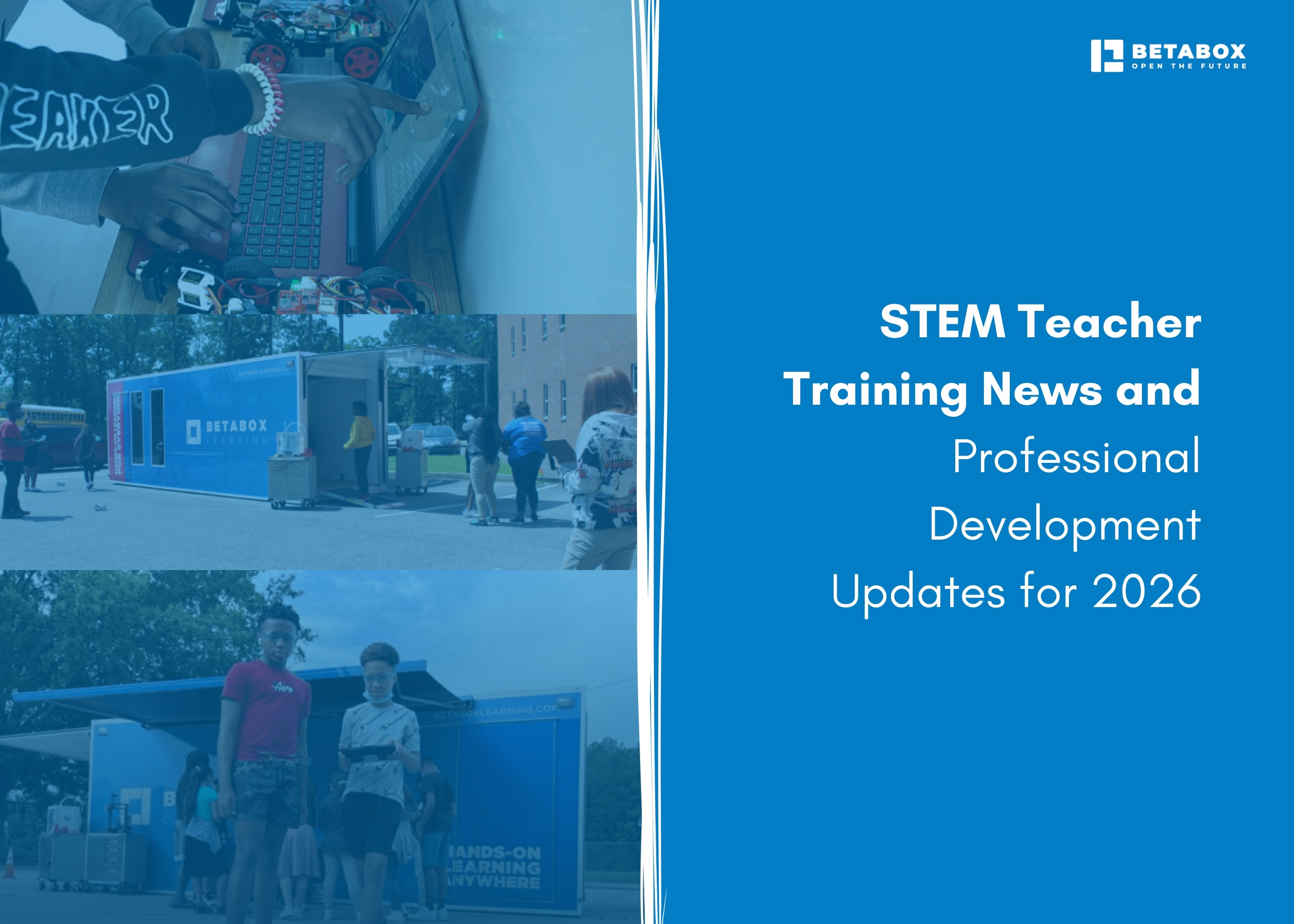
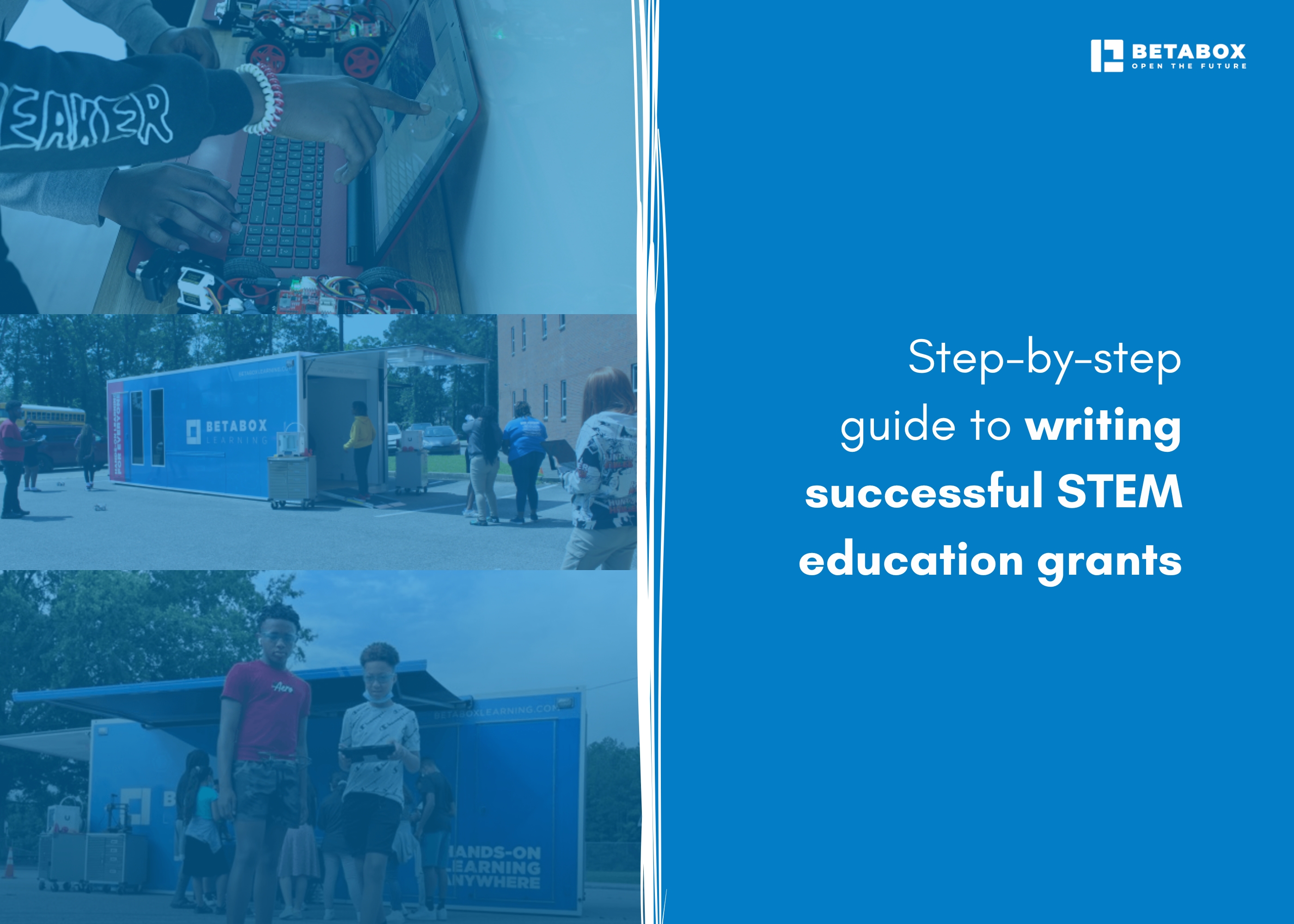
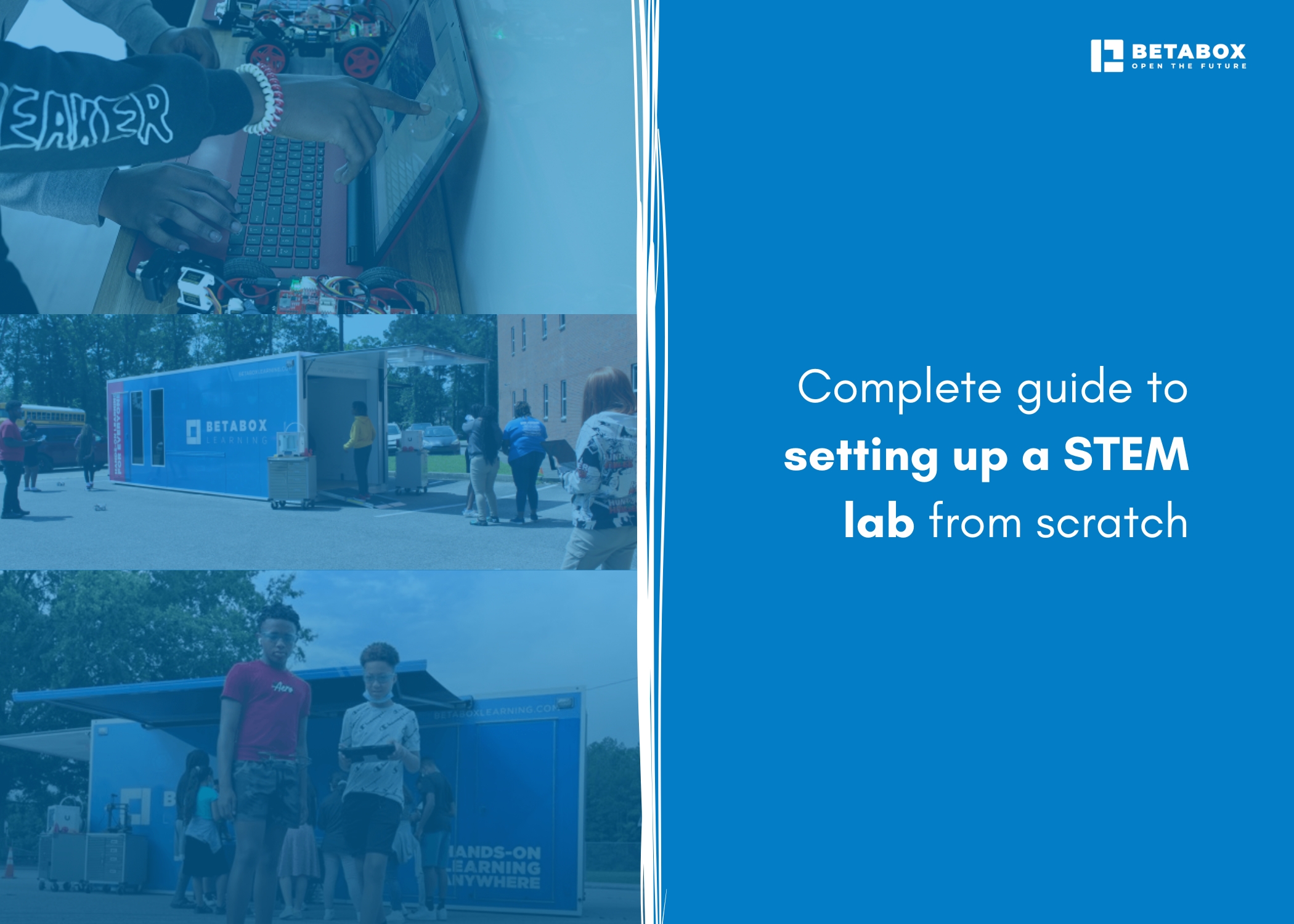
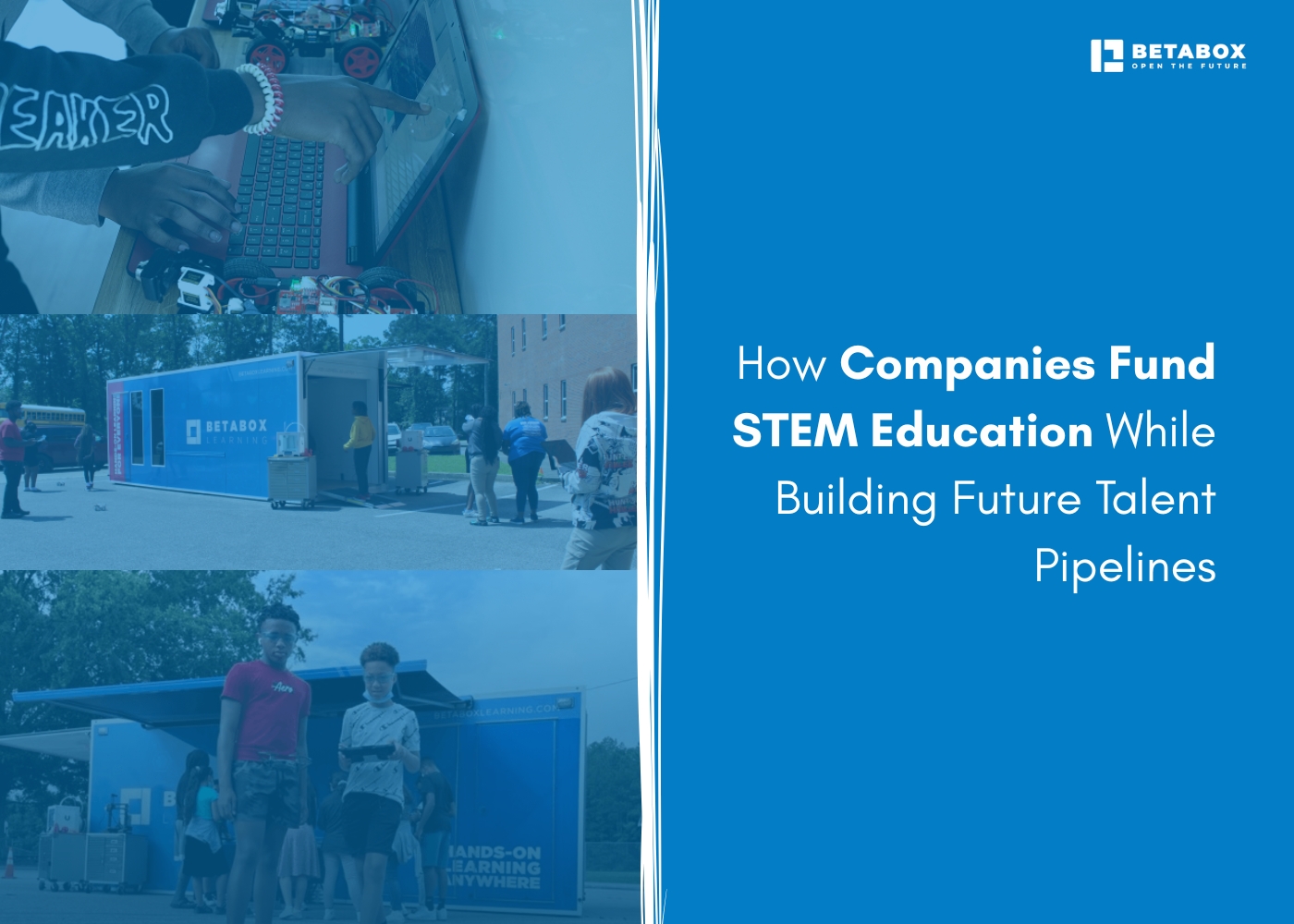
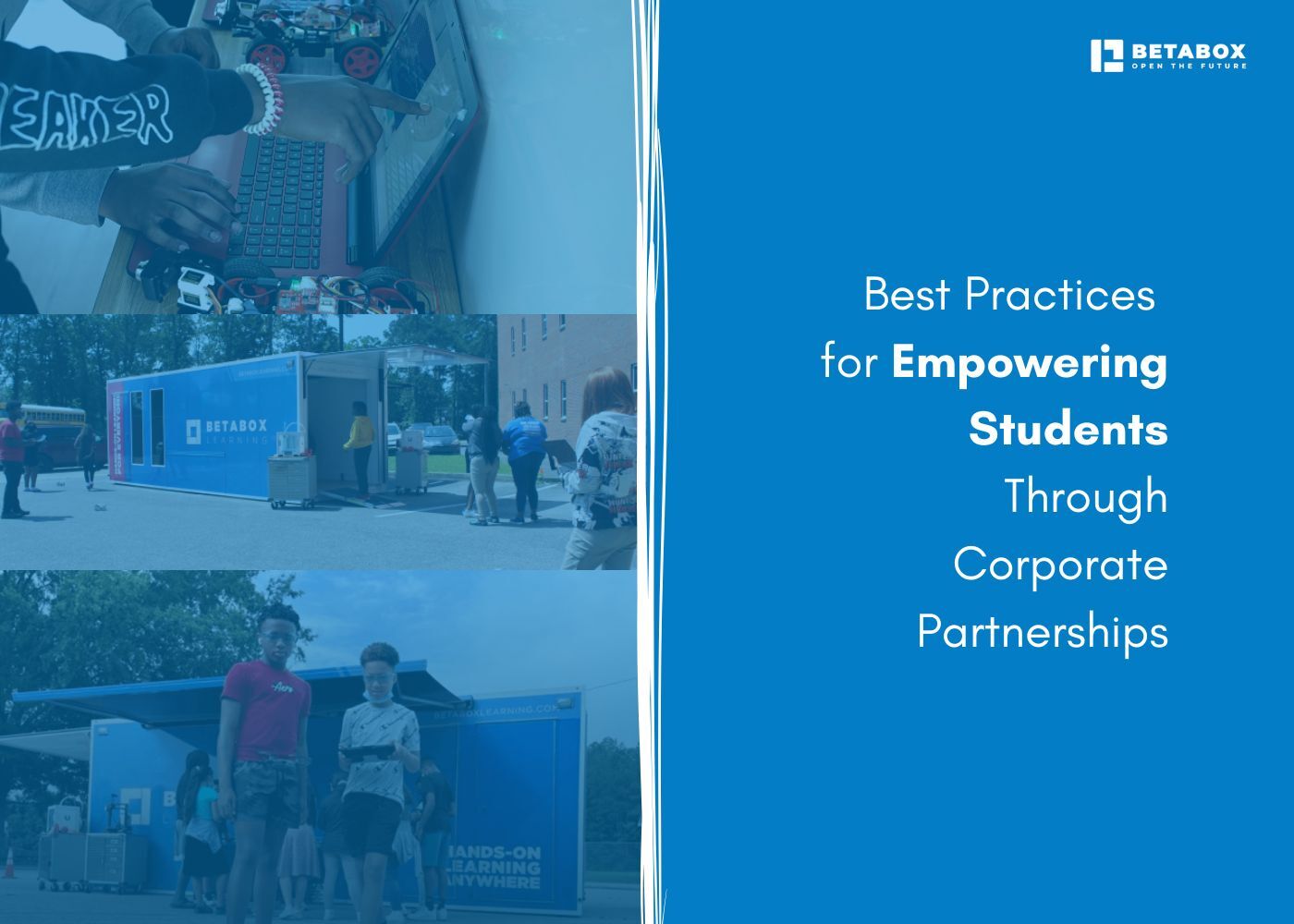
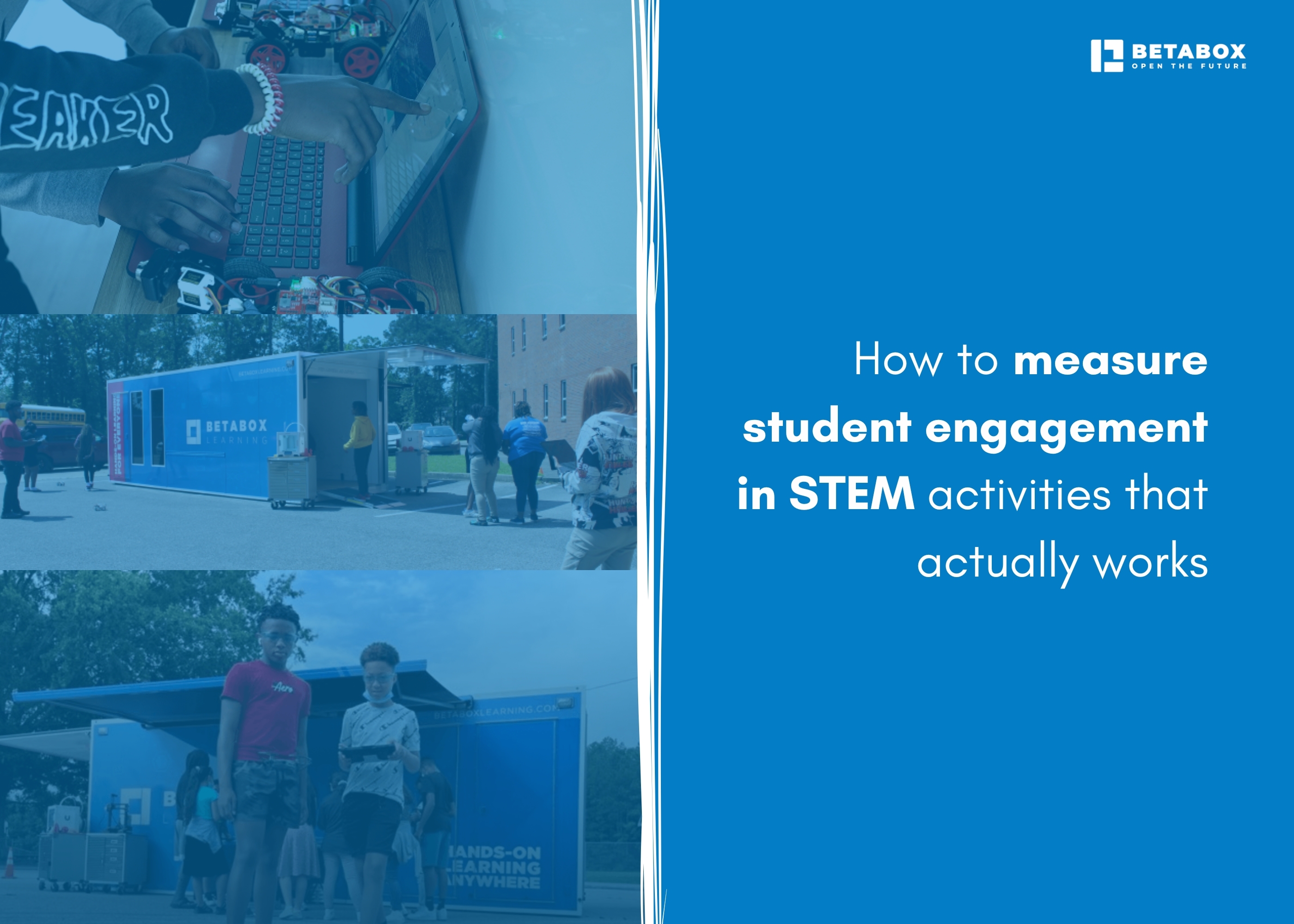
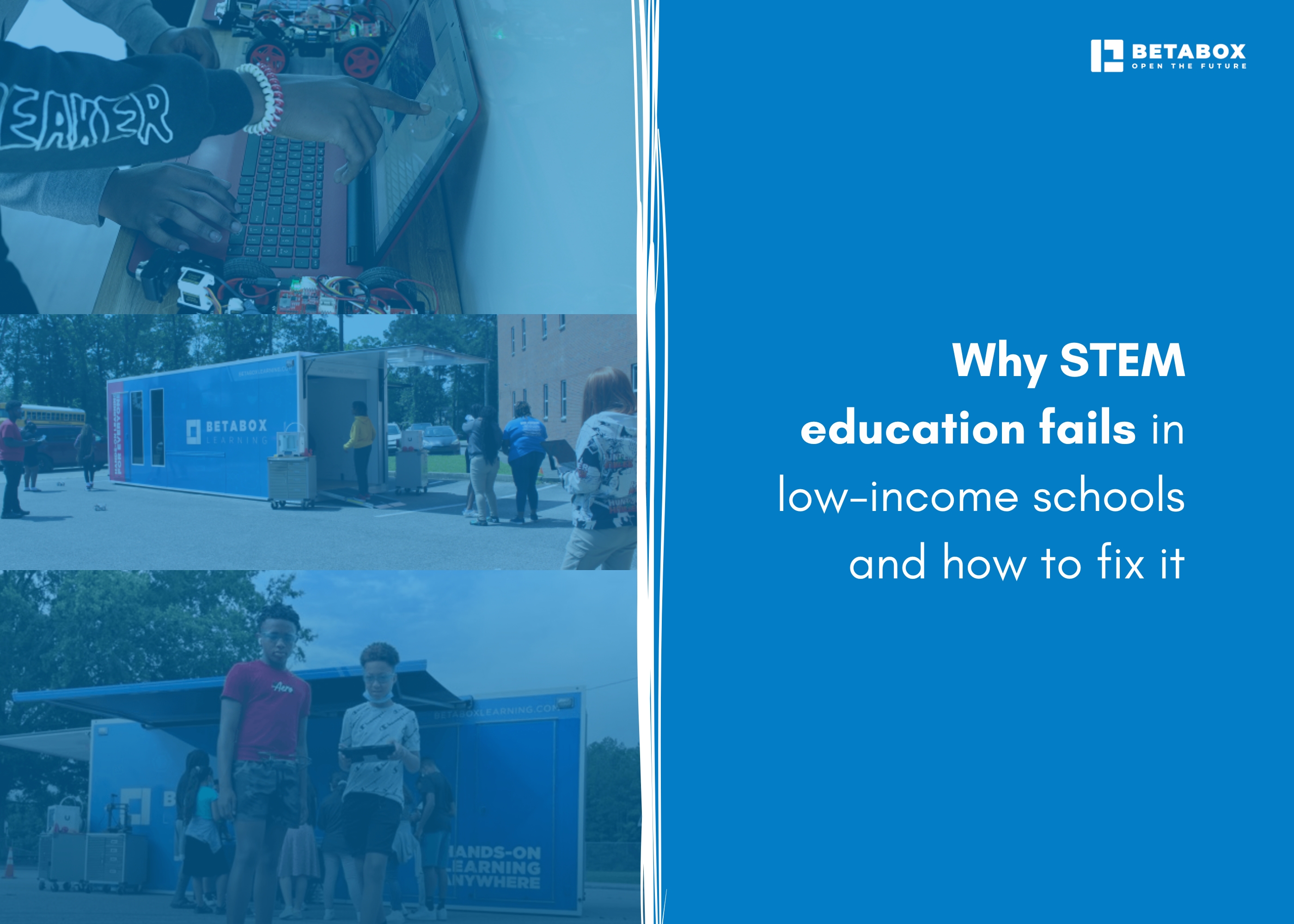
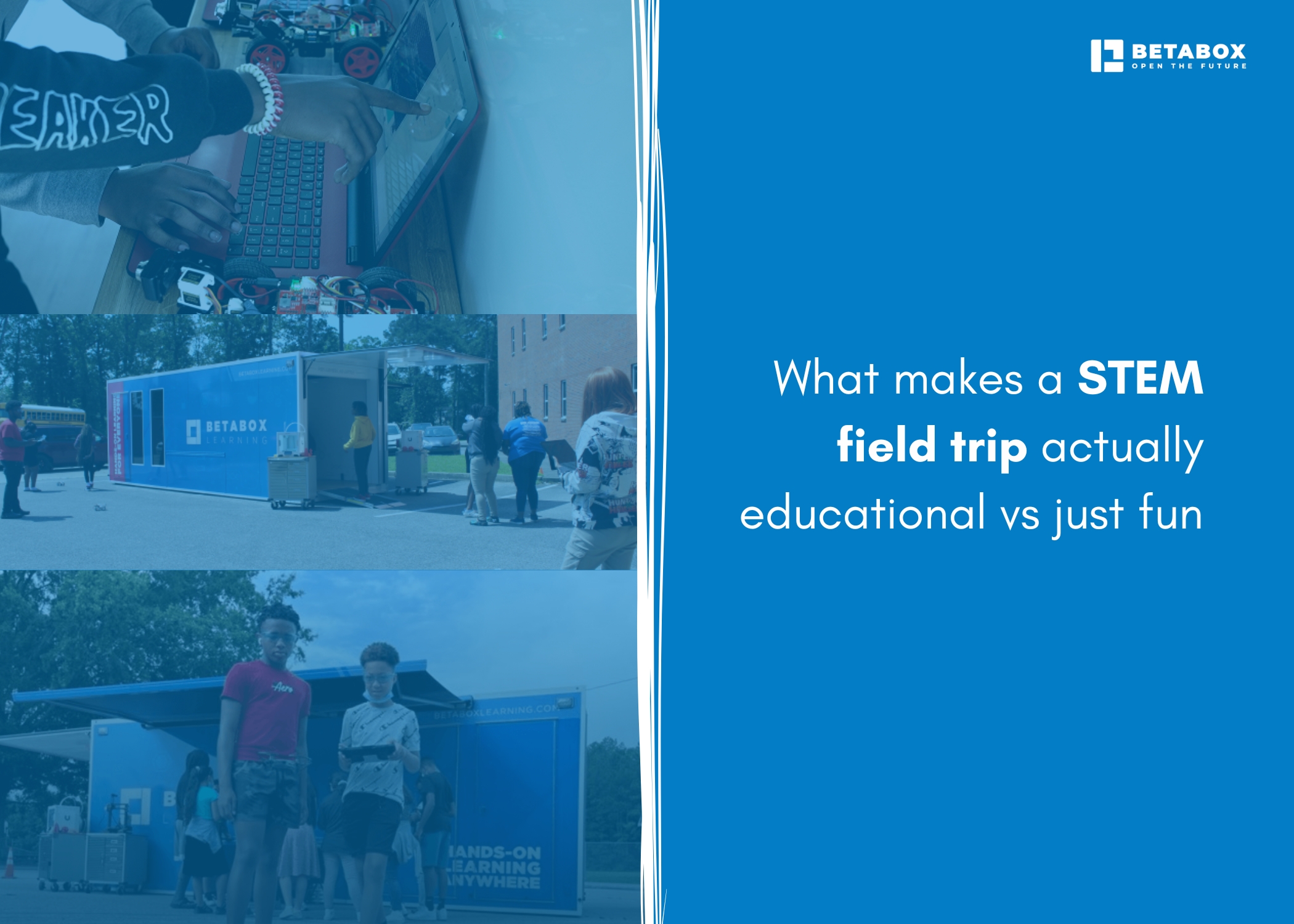
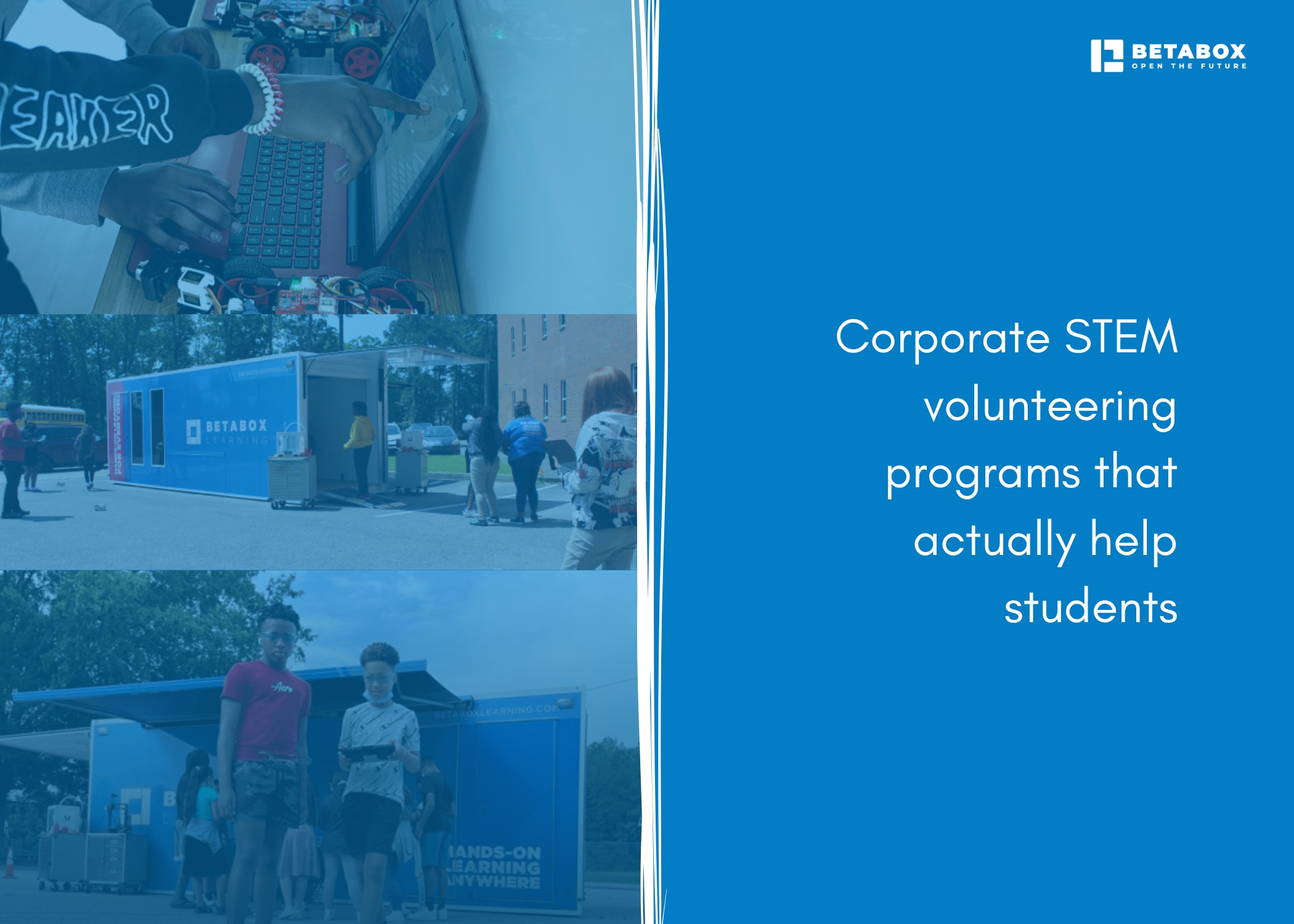
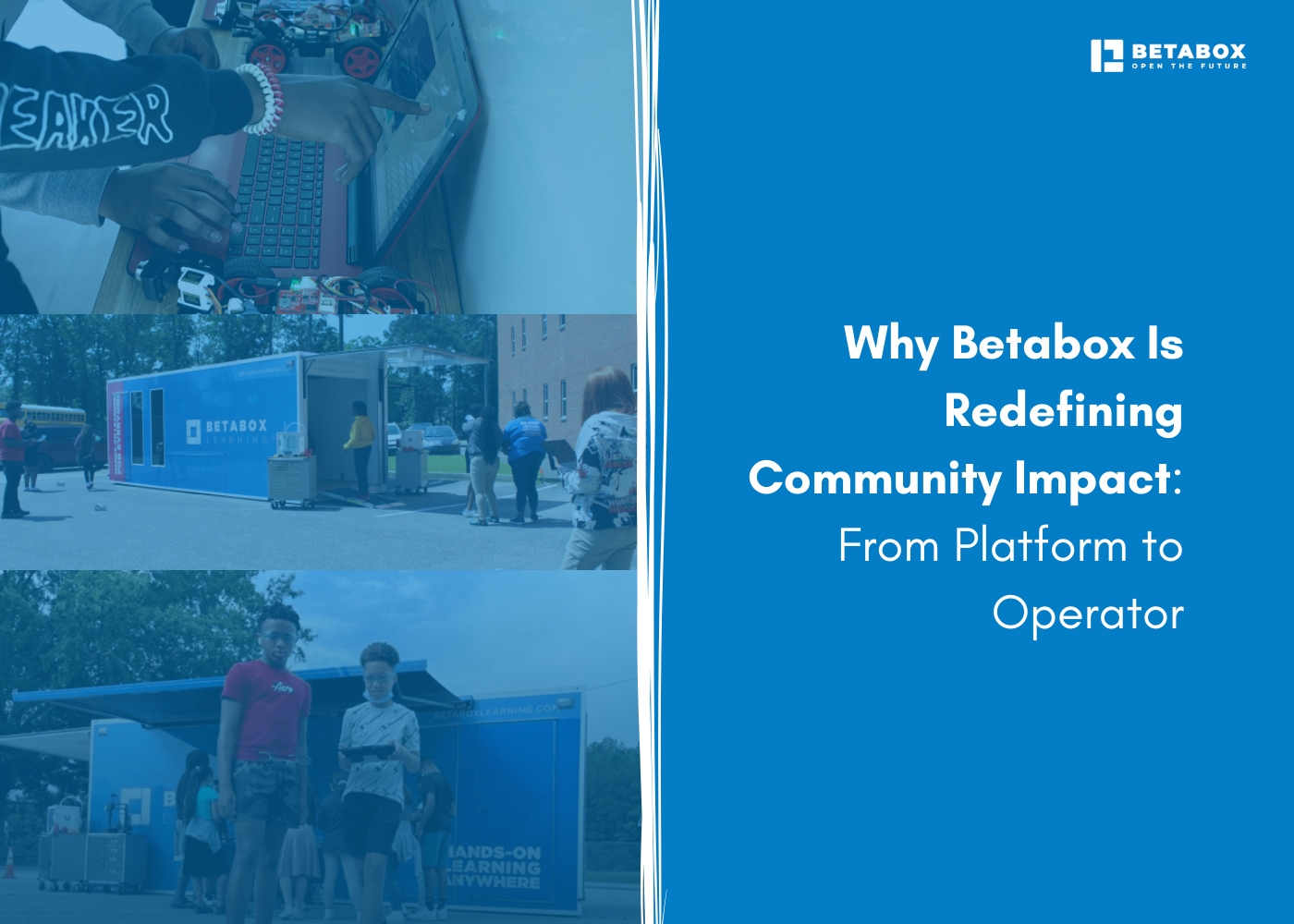
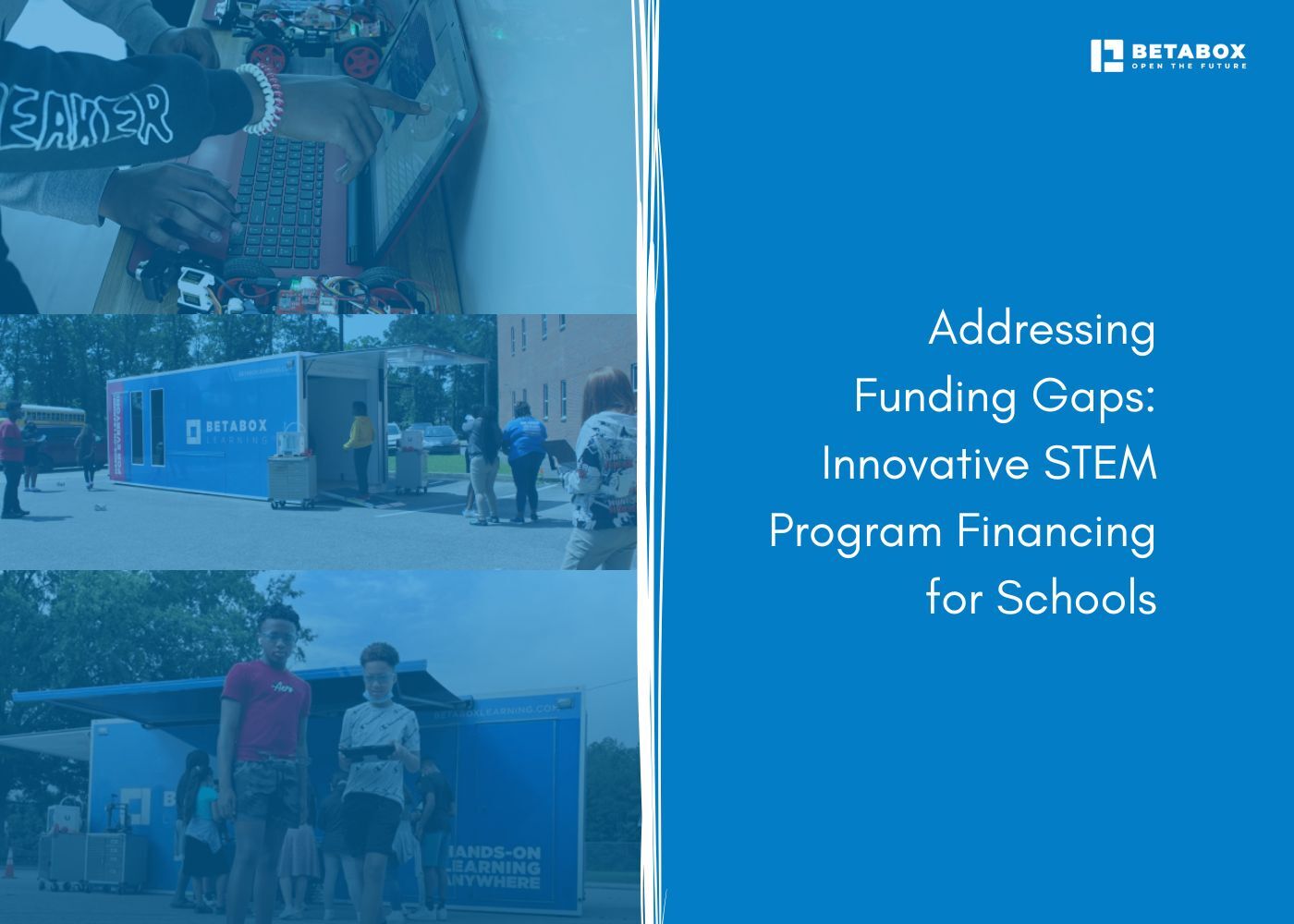
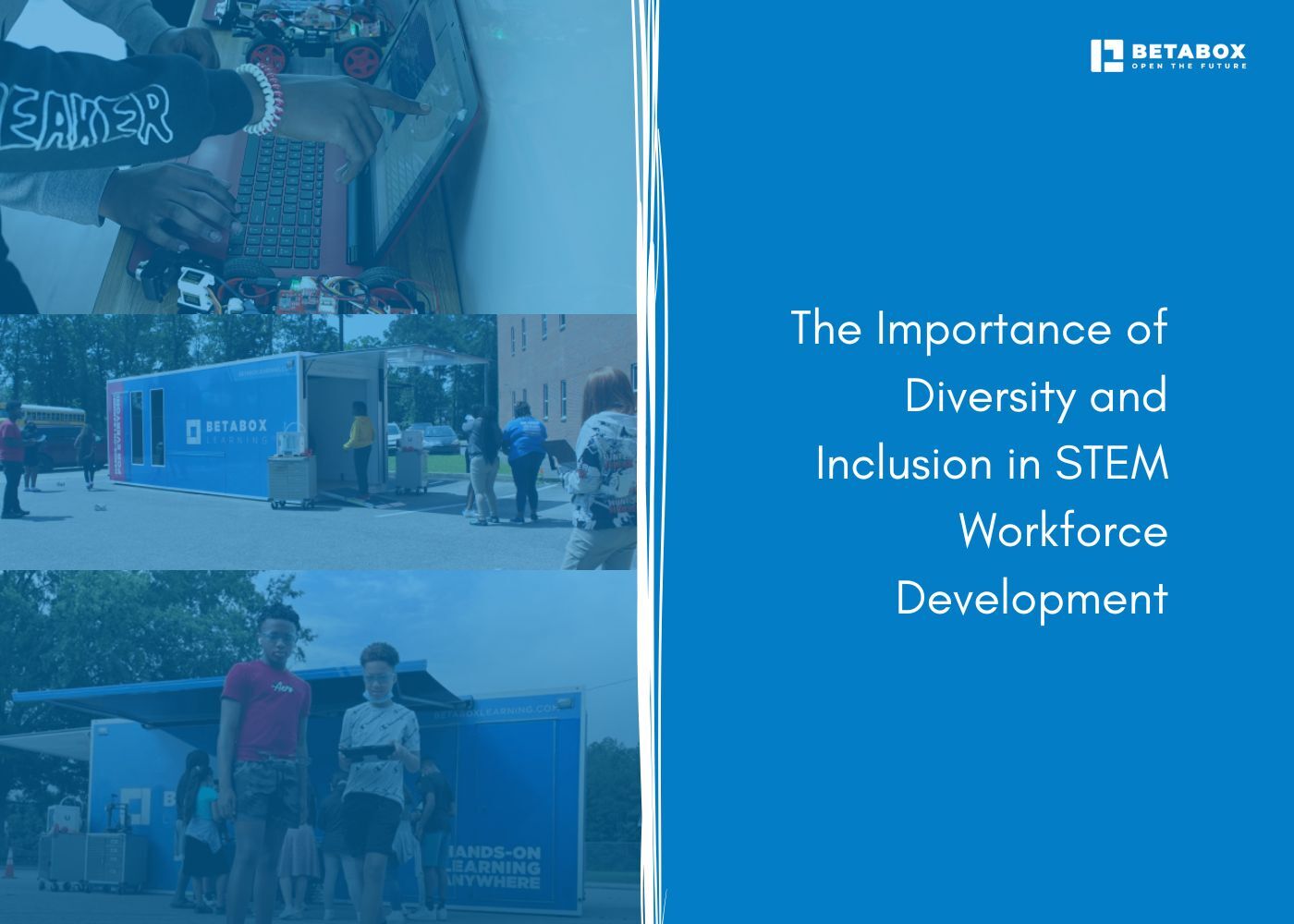
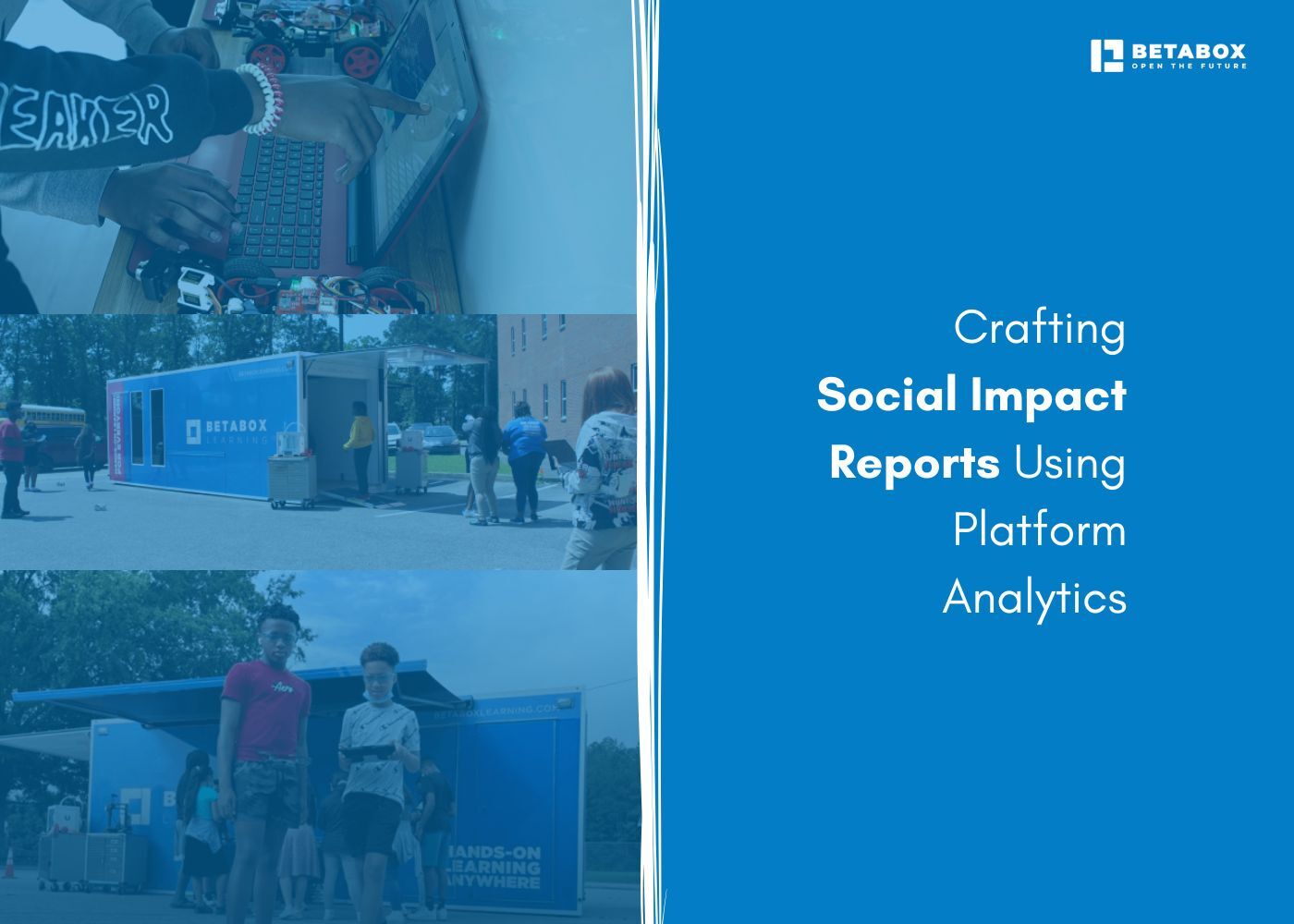
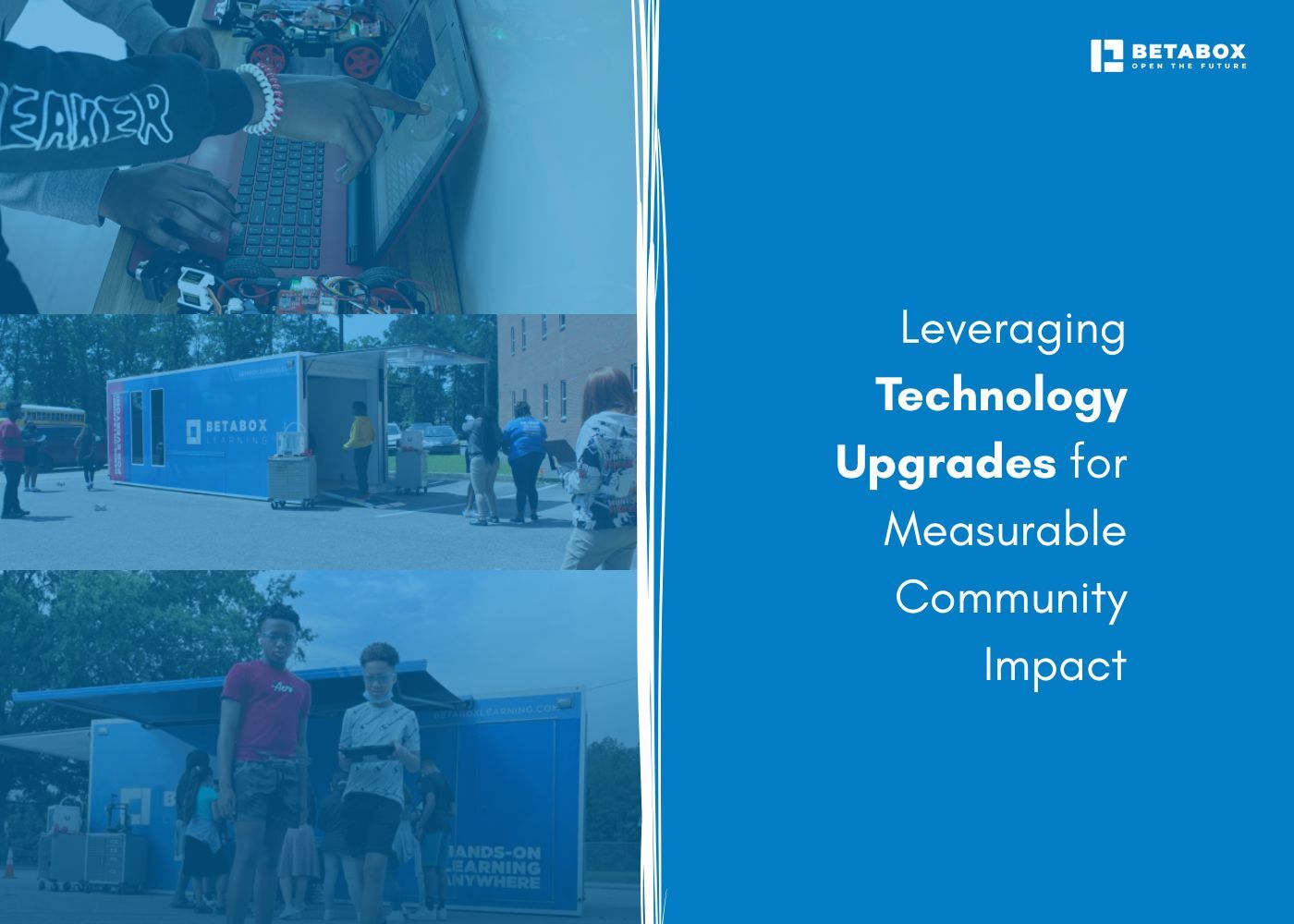
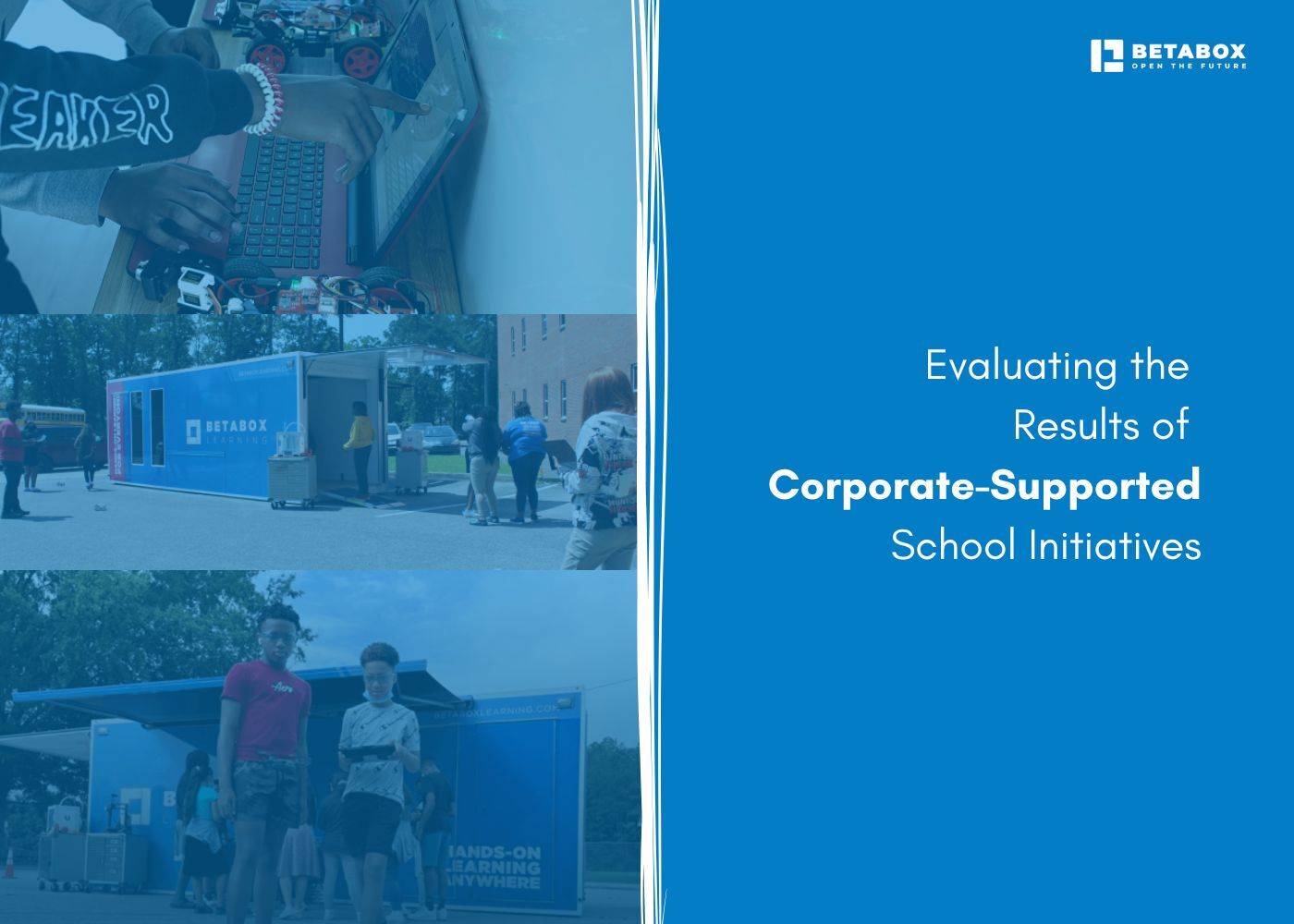
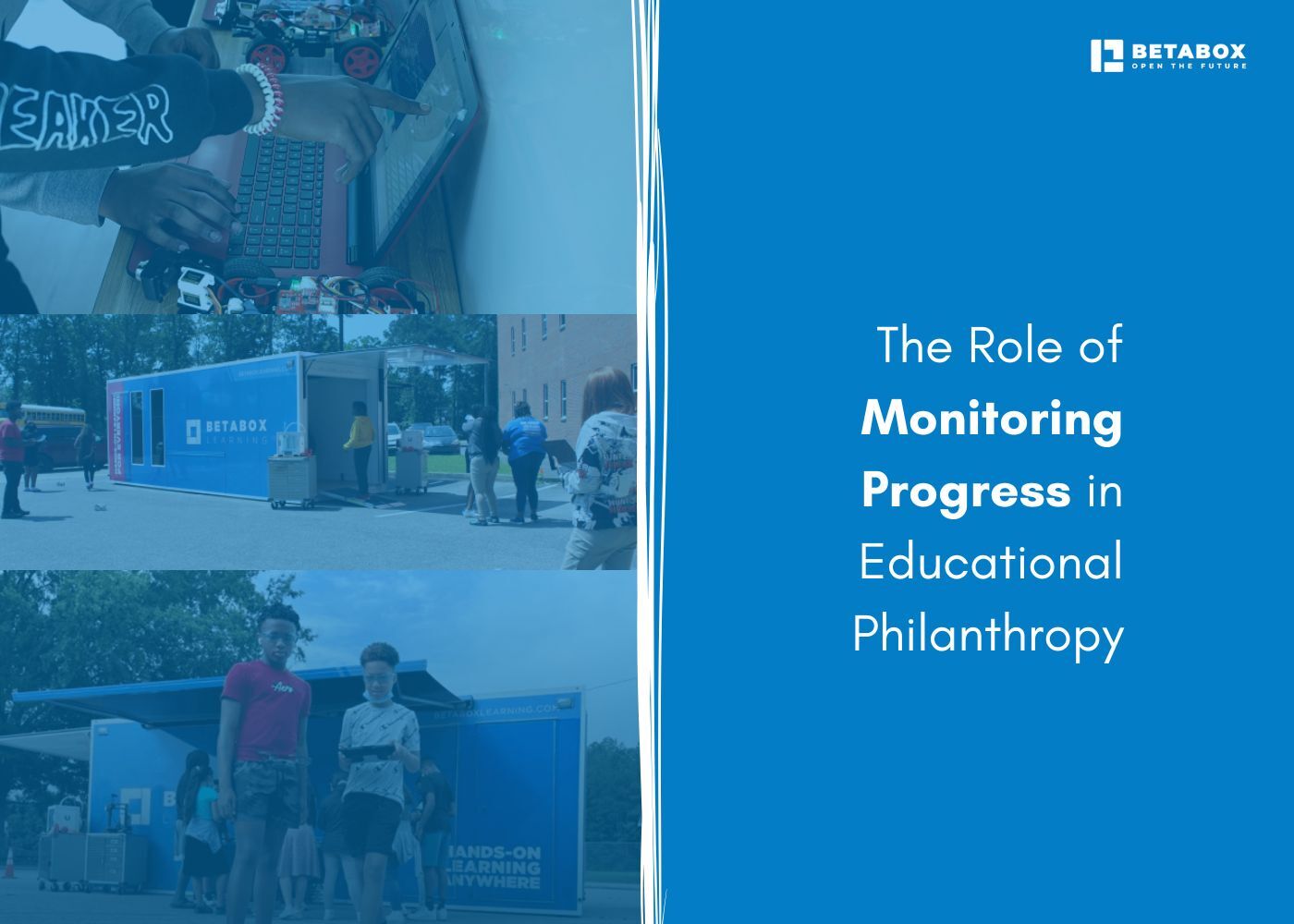
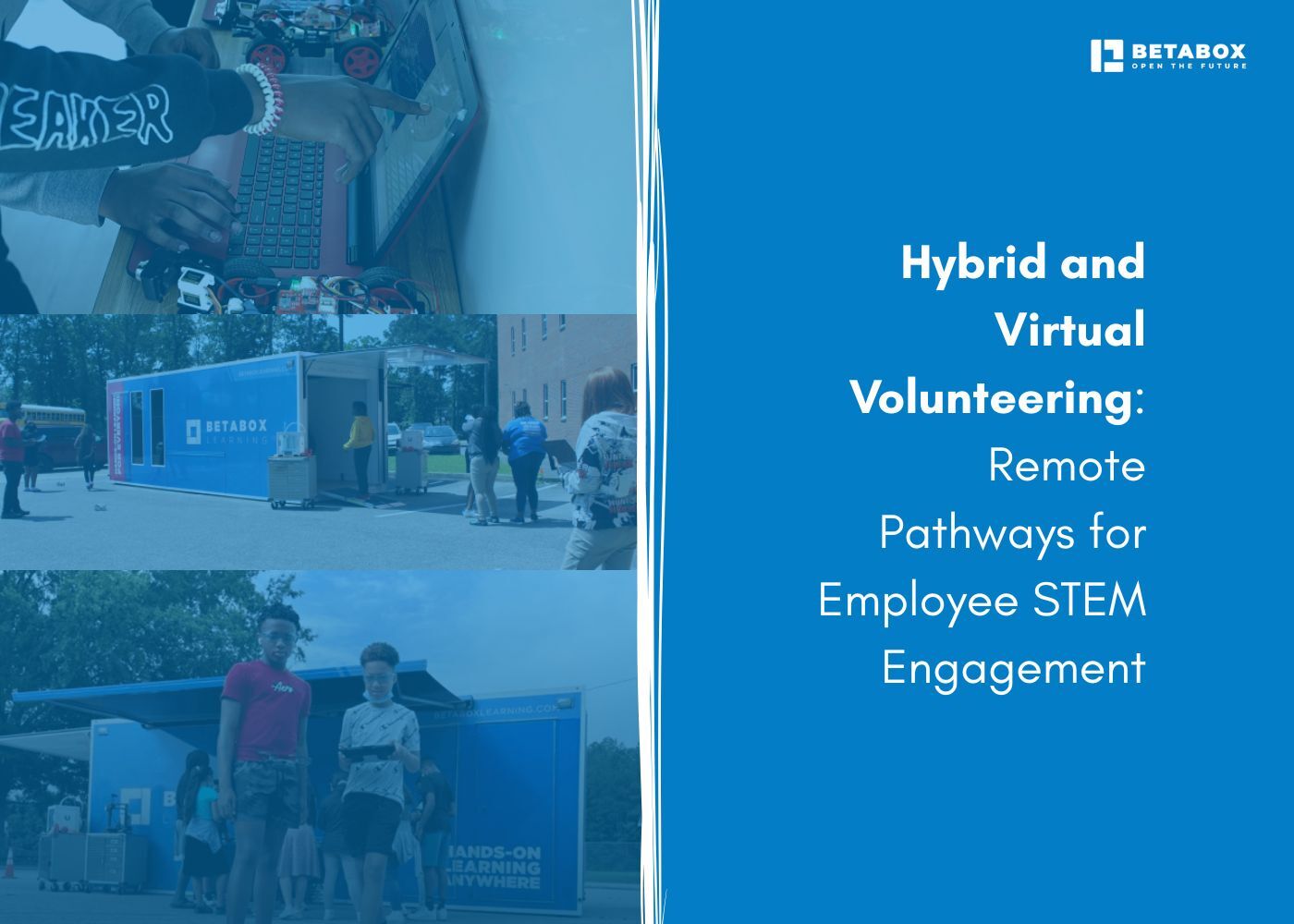
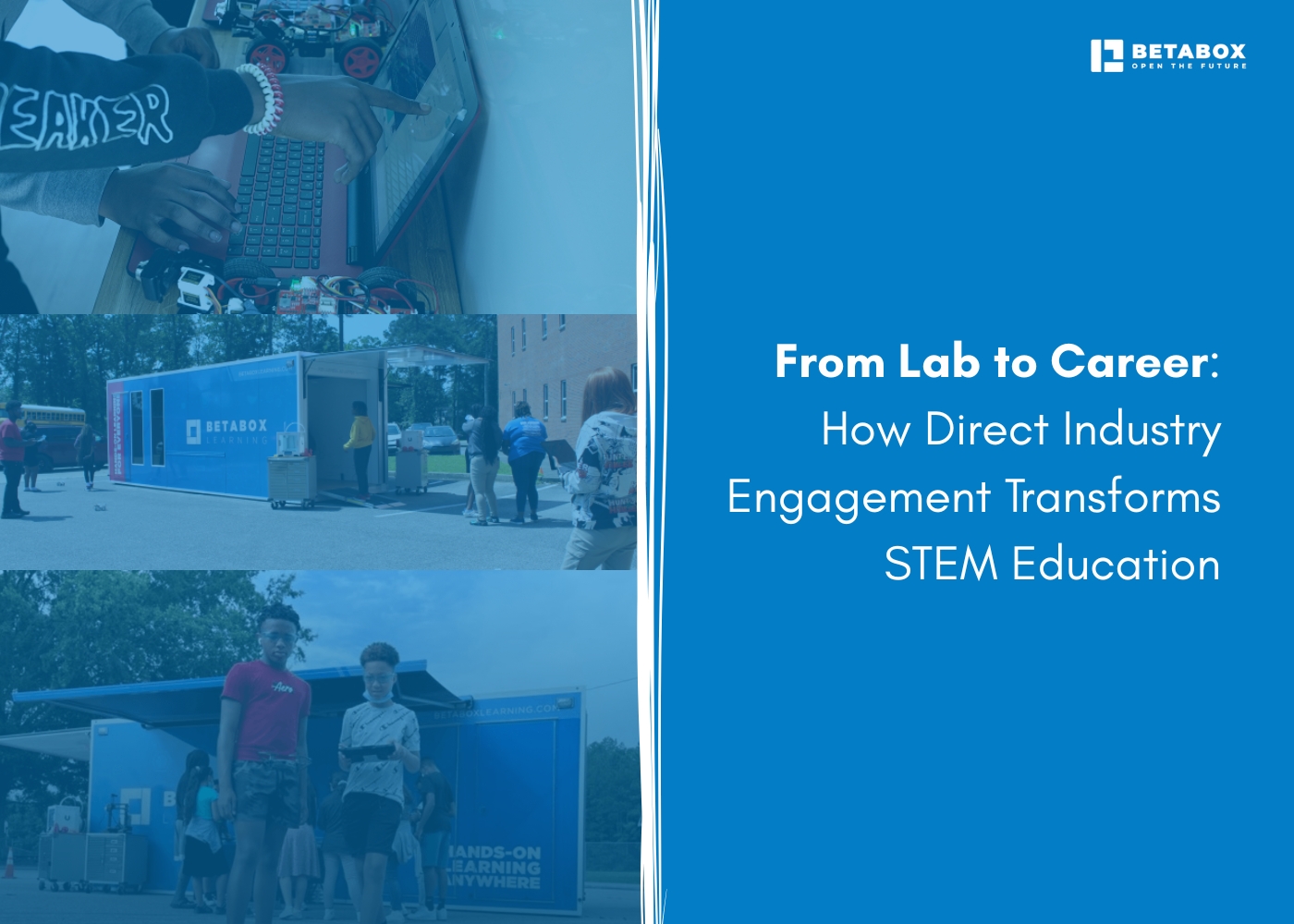
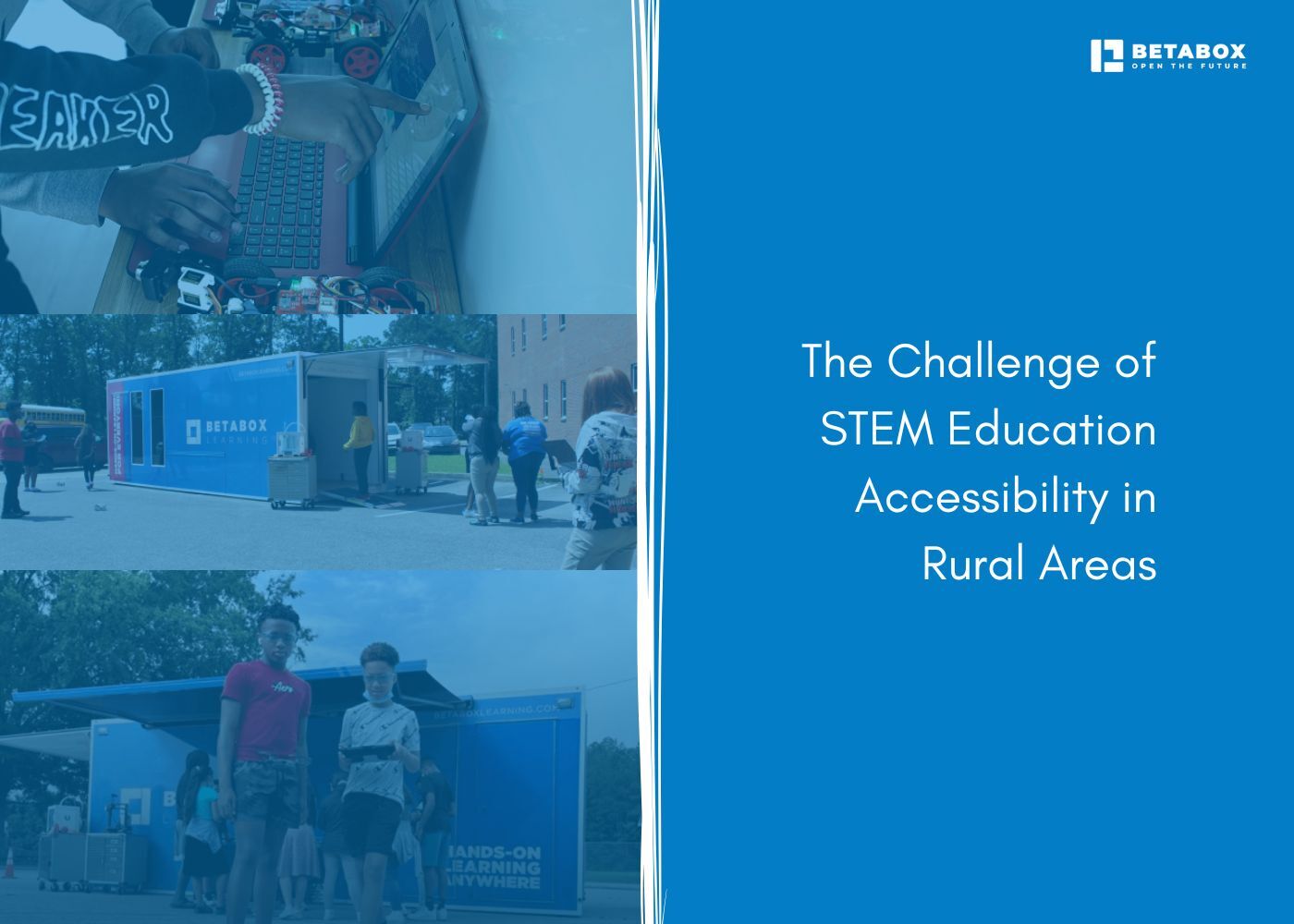
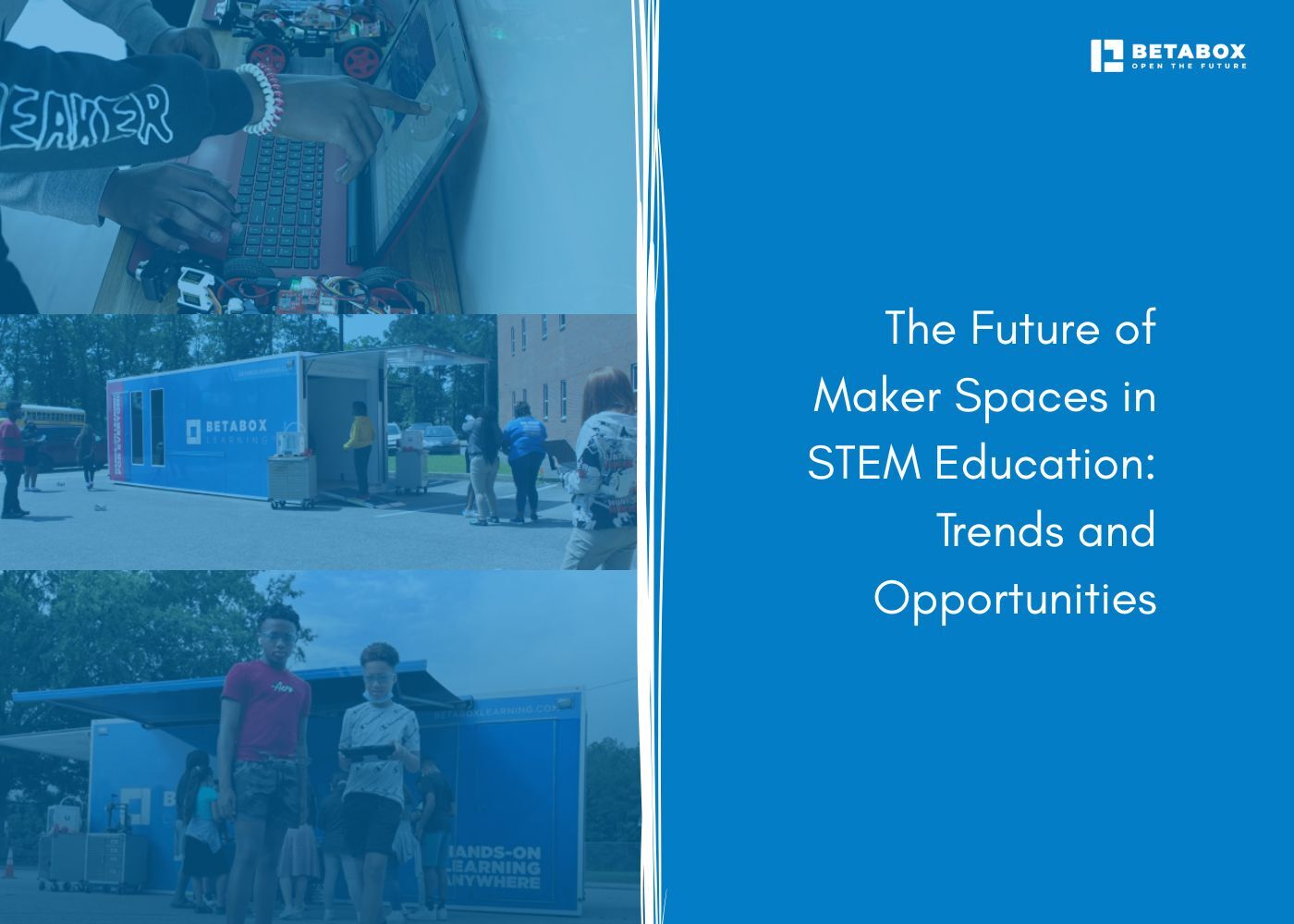
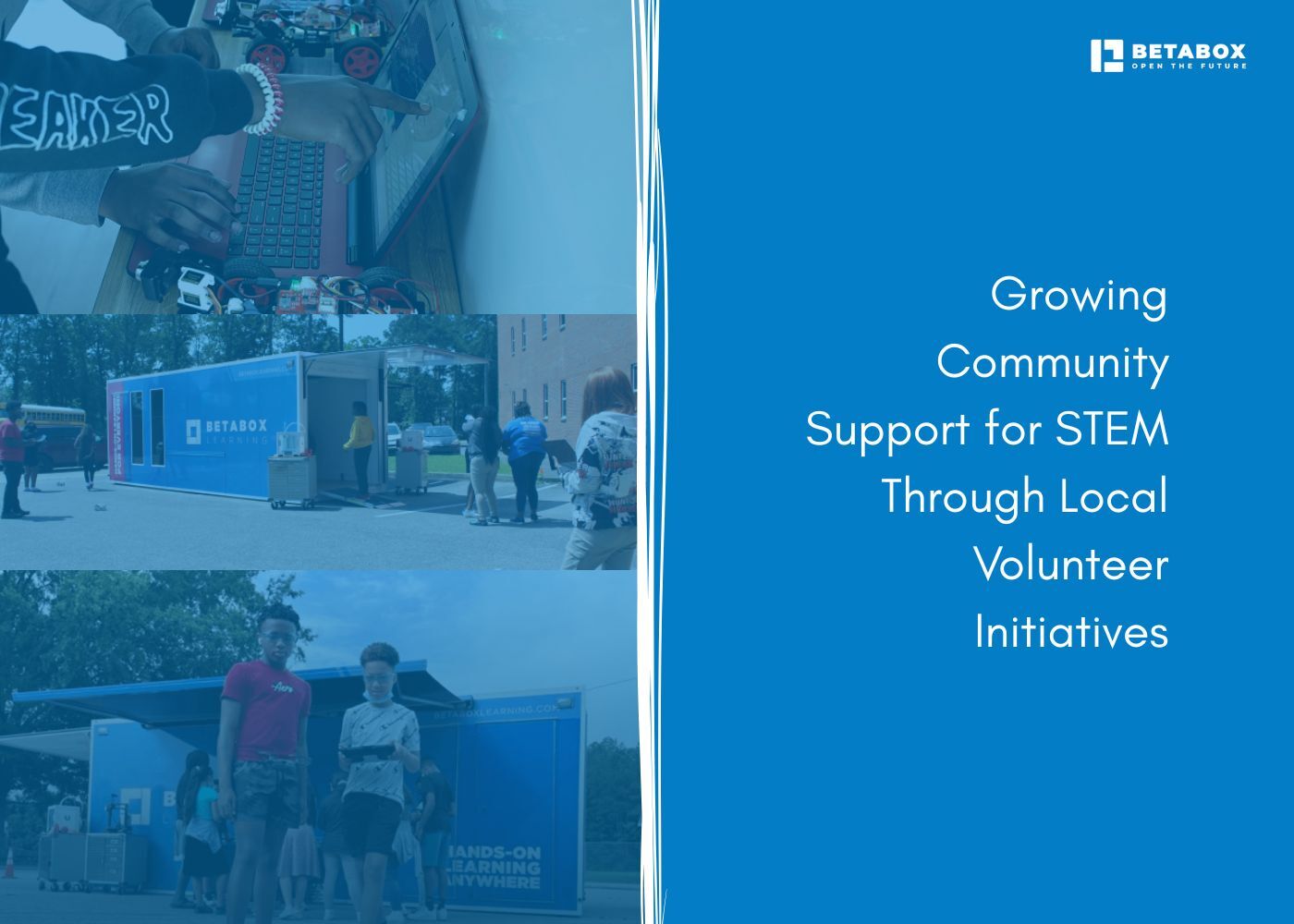
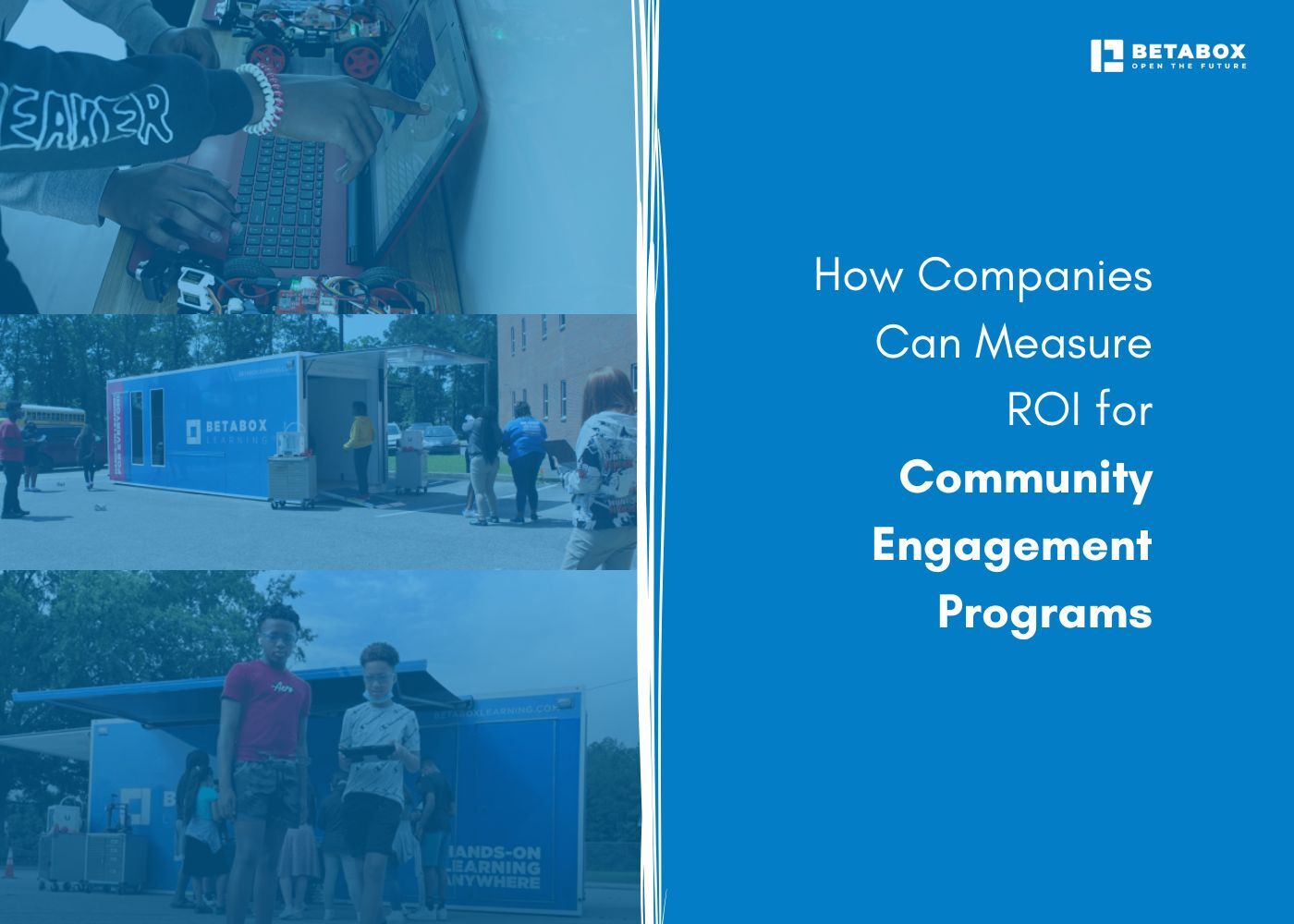
When students can't get to technology, bring technology to students. Mobile labs equipped with 3D printers, robotics equipment, and hands-on project materials travel directly to schools. Students experience advanced technology without transportation costs or schedule complications. Every school, regardless of location or resources, gets access to the same high-quality experiences.
Limited instructional minutes during the school day constrain STEM exploration. After-school clubs, weekend workshops, and summer camps provide extended time for project-based learning. These programs often partner with community organizations to reach students who might not engage during regular school hours.
Pairing students with professionals in STEM fields creates personal connections that statistics can't achieve. Mentors share their journeys, including obstacles they overcame, making careers feel attainable. Virtual mentorship programs expand reach beyond local options, connecting rural students with urban professionals and introducing diverse role models.
Equity isn't just about programs outside regular instruction. Daily classroom practices either expand or limit opportunity.
Traditional lecture-and-test formats often advantage students with prior knowledge and support at home. Hands-on, project-based learning shifts the advantage. When all students build, experiment, and problem-solve together, those without previous exposure can demonstrate capabilities that other assessments might miss.
Connecting STEM content to students' lived experiences increases engagement and relevance. Examples from diverse communities, problems that affect students' neighborhoods, and projects that address local issues help all students see themselves as STEM participants. Generic textbook examples often exclude students whose communities aren't represented.
Students learning English bring intellectual capabilities that language barriers may obscure. Providing instructions in home languages, using visual demonstrations, and pairing language learners with bilingual peers ensures that English proficiency doesn't limit STEM participation. STEM learning can actually accelerate language development when properly supported.
Resources follow priorities. Funding STEM equity requires intentional allocation decisions.
Federal education funding specifically targets schools serving students from low-income families. These funds can support STEM equipment, teacher training, and partnership programs. Understanding how to leverage Title funding for STEM initiatives maximizes impact for the students who need it most.
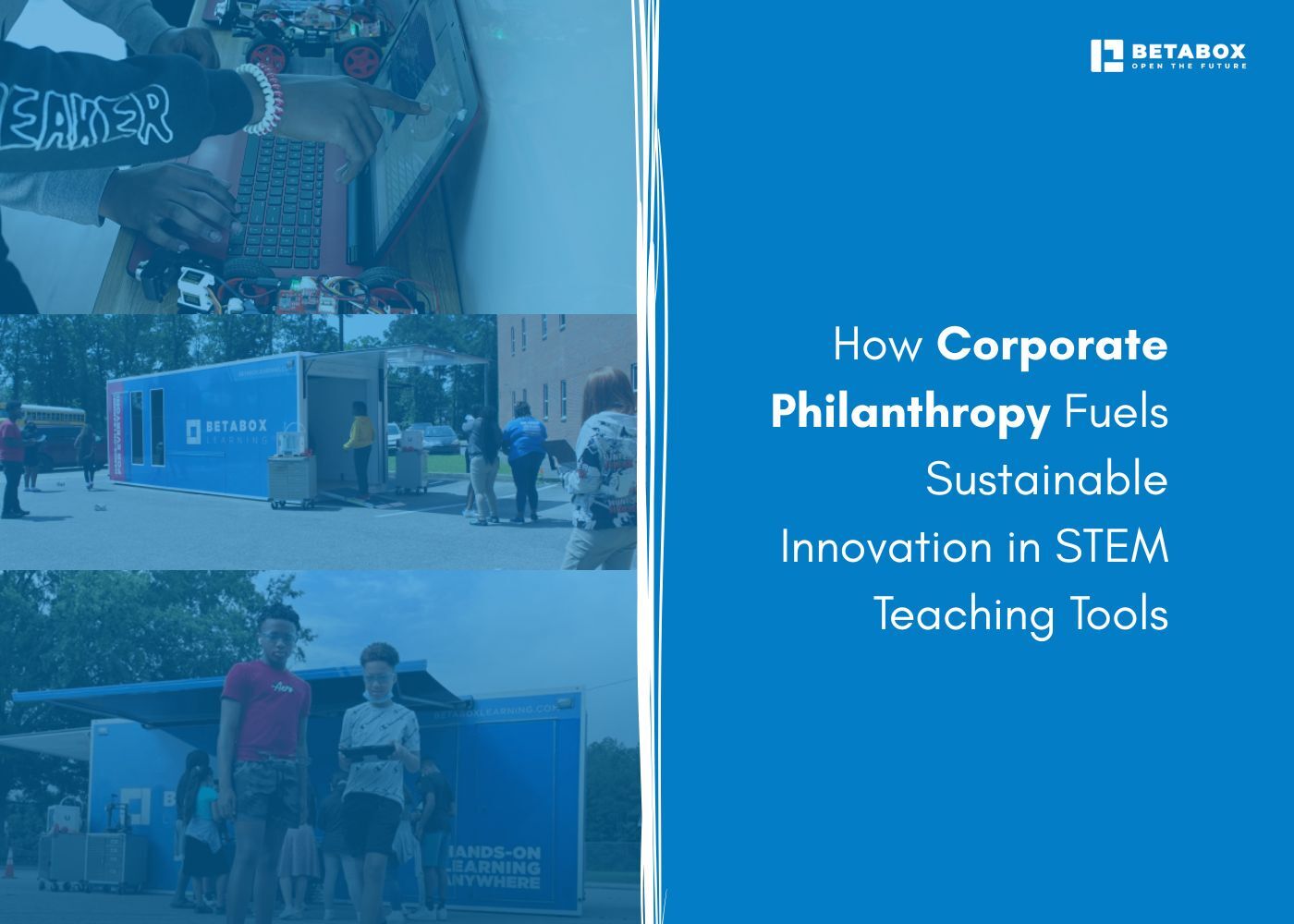
Companies investing in workforce development increasingly recognize that supporting K-12 STEM education in underserved communities serves their future hiring needs. Corporate philanthropy directed toward STEM creates win-win partnerships where businesses support education while building future talent pipelines.
Private foundations fund creative approaches to educational equity. Programs that demonstrate strong design, clear metrics, and commitment to serving underrepresented students often find philanthropic support. Grant writing capacity, either internal or through partnerships, unlocks these resources.
Good intentions matter less than actual results. Tracking progress ensures efforts create real change.
Overall STEM participation numbers can mask disparities. Breaking down data by race, gender, income, geography, and disability status reveals whether programs reach intended populations. If participation gaps persist despite program availability, something about access, awareness, or design needs attention.
Numbers tell part of the story. Student voices complete the picture. Ask students directly about their STEM experiences, whether they feel welcomed, and whether they can envision STEM futures. Focus groups and surveys with underrepresented students identify barriers that quantitative data might miss.
Meaningful equity means students not only access programs but continue along STEM pathways. Tracking course enrollment, graduation, post-secondary choices, and career entry over time reveals whether early interventions produce lasting impact.
Betabox was founded specifically to address inequitable distribution of STEM opportunities. Mobile labs and on-site programs reach schools regardless of resources or location, ensuring that geography doesn't determine who experiences technology firsthand. With over 500,000 students served and partnerships spanning rural, urban, and suburban communities, Betabox helps schools overcome barriers and redefines community impact.
Ready to bring equitable STEM access to your students? Connect with Betabox to learn about partnership options.
What is STEM equity and why does it matter?
STEM equity means all students have equal access to quality science, technology, engineering, and math education regardless of background, location, or economic status.
Which student populations face the greatest STEM access gaps?
Students from low-income families, rural communities, girls, students of color, and students with disabilities often have fewer STEM opportunities than their peers.
How can schools with limited budgets address STEM equity?
Partner with organizations that bring resources to schools, apply for targeted grants, leverage corporate partnerships, and prioritize hands-on approaches over expensive equipment.
What role do teachers play in STEM equity?
Teachers set classroom culture, choose examples, recognize diverse contributions, and can either reinforce or challenge stereotypes about who belongs in STEM.
How do mobile STEM programs improve access?
Mobile programs eliminate transportation barriers, equalize resources across schools, and bring advanced technology to communities that couldn't otherwise afford it.
Can after-school programs really affect long-term STEM outcomes?
Extended learning time in engaging environments can spark interests, build skills, and connect students with mentors, influencing post-secondary choices and career paths.


Ready to learn how Betabox resources can be implemented at your school or District?
Book a Blueprint Call

.jpg)

.jpg)
.jpg)
.jpg)





.jpg)

At Betabox Learning, we are passionate about making hands-on STEM curricula accessible to all students.






.jpg)