Rural America educates approximately 10 million K-12 students, roughly one in five students nationwide. Yet these communities face a perfect storm of challenges when implementing traditional STEM enrichment programs. While celebrated initiatives like FIRST Robotics and Project Lead the Way offer transformative experiences for many students, the barriers to implementing these programs in rural settings often prove insurmountable.
The research is clear: rural districts need a different approach, one that delivers genuine STEM impact without placing unsustainable demands on already-stretched resources.
Programs like FIRST Robotics Competition exemplify excellence in STEM education. Students engage in building industrial-sized robots, foster teamwork, and connect with mentors.
However, the investment required extends far beyond the registration fee. FIRST Robotics Competition teams face rookie registration fees of $6,000, with additional costs for robot parts, tools, and travel to competitions. More critically, these programs require sustained volunteer mentorship from adults with technical expertise, typically engineers, software developers, or experienced educators.
Similarly, Project Lead the Way requires schools to pay annual participation fees, purchase specialized equipment through their vendor network, and commit teachers to intensive multi-phase professional development training. Teachers must complete comprehensive training programs before delivering PLTW curriculum, creating both time and financial barriers for districts already struggling with teacher shortages.
None of what follows criticizes these excellent programs. Rather, we acknowledge reality. In well-resourced suburban districts with robust parent volunteer pools and multiple STEM professionals in the community, these programs thrive. In rural America, the equation looks starkly different.
Rural schools face acute staffing challenges that fundamentally limit their capacity to implement complex STEM programs. According to the U.S. Government Accountability Office, school and district officials report that staffing challenges and limited access to STEM learning opportunities are primary barriers to providing K-12 STEM education in rural areas.
The numbers are sobering.
In the 2020-21 school year, 57% of rural public schools found it very difficult or impossible to fill foreign language teaching positions, compared to 37% in suburban areas and 36% in cities. For STEM specifically, 78% of K-12 public school principals reported difficulty filling physical science positions, and 75% struggled to staff mathematics roles.
The National Education Association estimates a shortage of approximately 300,000 teachers nationwide, with shortages particularly pronounced in rural districts where the need for special education and STEM teachers runs highest. Rural teacher attrition rates exceed those in urban and suburban areas, 8.4% compared to 7.3% and 7.9% respectively, driven by lower salaries, geographic isolation from educator preparation programs, and limited professional development opportunities.
When a rural district has difficulty keeping math and science teaching positions filled with certified educators, requiring those same educators to complete 40-hour training academies or coordinate complex robotics competitions becomes untenable. The teachers who remain are already stretched thin teaching multiple subjects across multiple grade levels.
Many traditional STEM programs depend heavily on parent and community volunteers with technical expertise. Research from rural school improvement initiatives identifies work schedules as the largest barrier to parent engagement and volunteer activities in rural areas. Geographic spread, low population density, and the distance between home, work, and school compound these challenges.
Unlike suburban communities where tech companies and engineering firms provide ready pools of STEM-qualified volunteers, rural areas often lack the occupational diversity necessary to staff programs requiring specialized technical mentorship. Distance and transportation barriers further limit parents' ability to volunteer regularly, even when they have the expertise and desire to help.
One study examining rural school improvement noted that while almost all parents attended athletic events (described as "the one unifying force in the community"), participation in other school activities lagged significantly due to transportation challenges and work schedule conflicts.
Rural schools often operate with smaller tax bases than their urban and suburban counterparts, yet face higher per-student costs for essentials like transportation. Research indicates that rural districts' distance from educator preparation programs, limited tax revenue, and inability to offer competitive salaries create persistent financial pressures.
When asked to invest thousands of dollars in registration fees, equipment purchases, specialized training, and competition travel on top of existing budget constraints, many rural districts simply cannot make the math work, regardless of how valuable the program might be for students.
Multiple research studies point toward the solution: rural communities need STEM programs that reduce implementation barriers while maintaining educational quality.
A study published in the National Youth-At-Risk Journal emphasizes that rural STEM education requires "mobile laboratory programs" and delivery models that account for the unique context of rural communities. Research from the U.S. Department of Agriculture found that rural districts successfully implementing STEM education share common strategies: partnering with external organizations to access materials and equipment, utilizing delivered resources rather than building programs from scratch, and emphasizing place-based learning connected to local environments.
The GAO report on rural STEM education highlights that effective approaches include "using federal funds to purchase equipment and sharing materials across rural districts" and notes the success of programs like Nevada's federally-funded robotics lending library that ships STEM materials directly to rural teachers.
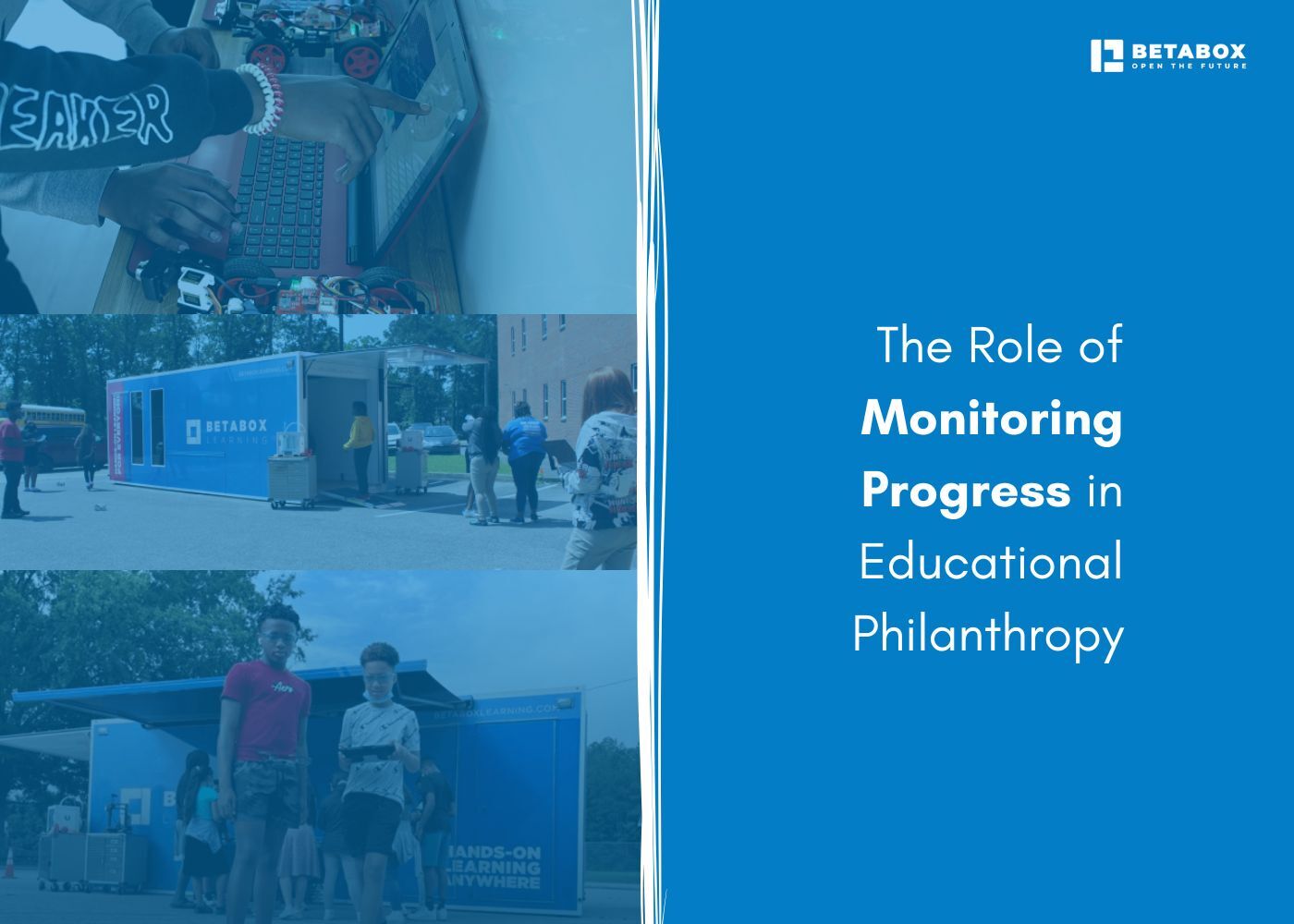
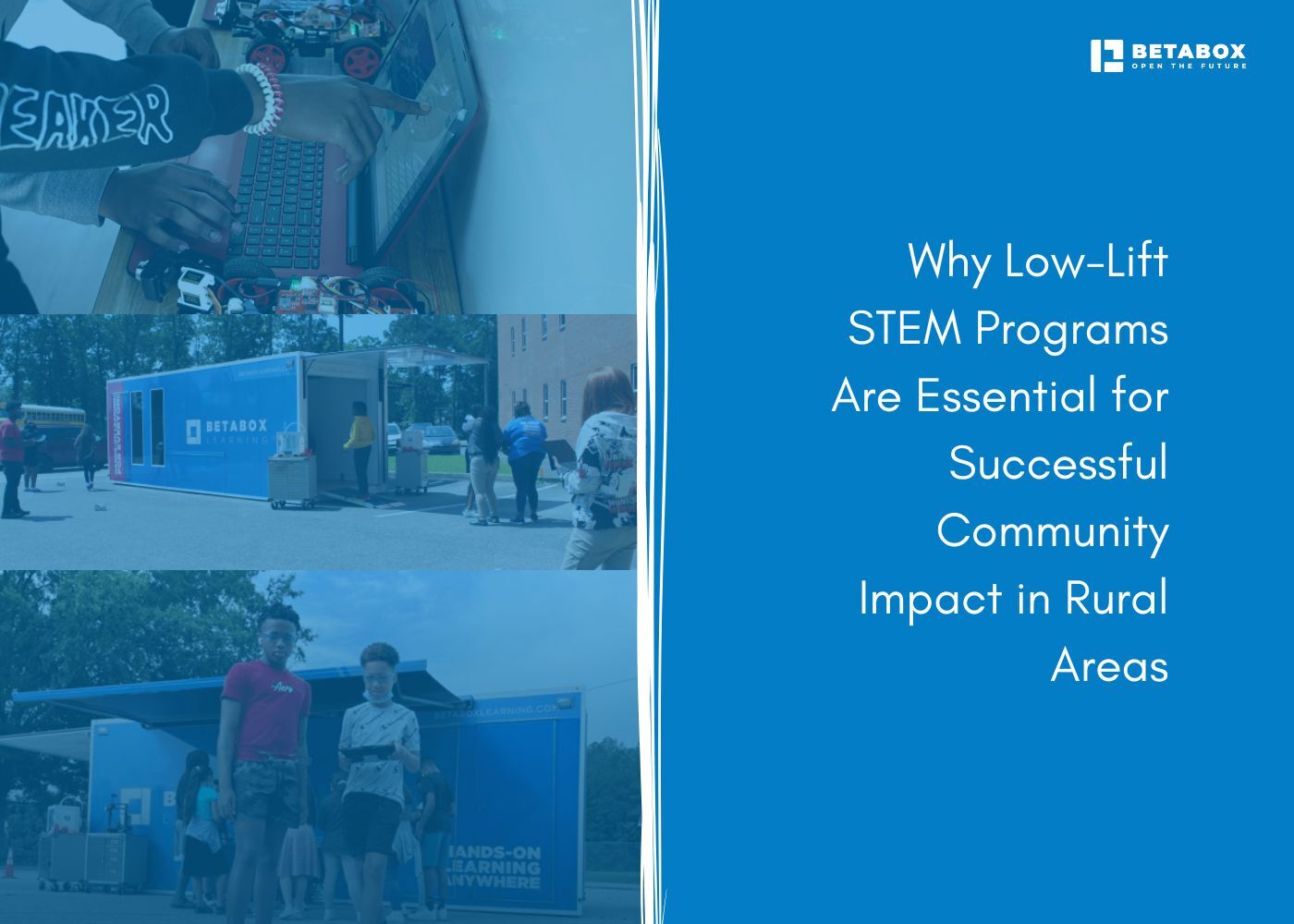
Perhaps most tellingly, research from Learning Undefeated demonstrates the transformative impact of mobile STEM laboratories that bring hands-on experiences directly to rural school parking lots. Dr. Megan Correia, director of an elementary school in rural South Texas, explained her situation: "Our community is located in rural South Texas, where resources are scarce, and enrollment is declining. Although we attempt to organize field trips, the constraints of travel time and budget limitations severely restrict our access to experiences beyond our local community."
The research consensus is clear: successful STEM delivery in rural areas requires programs that are:
If you're a corporation, foundation, or industry partner looking to make genuine STEM impact in rural communities, understanding these barriers is essential to strategic investment.
Traditional corporate STEM partnerships often default to supporting well-known national programs, and those programs deserve support in contexts where they can succeed. However, when your community impact goals specifically target rural or underserved areas, the implementation barriers we've outlined mean your investment may never translate into actual student experiences.
Consider the opportunity cost: funding that goes toward a program that ultimately can't be implemented due to volunteer shortages or teacher capacity constraints is funding that didn't reach students. In contrast, investment in low-lift, high-impact delivery models ensures your resources translate directly into hands-on student learning.
Where Betabox differentiates itself as a strategic rural STEM partner is in directly addressing each of the three critical barriers.
Betabox experiences arrive turnkey and are facilitated by our trained professionals. Teachers don't need specialized training or extensive preparation time. The model respects that rural educators are already managing multiple subjects, grade levels, and responsibilities.
We eliminate the volunteer dependency entirely. No need to recruit parent mentors with engineering backgrounds or coordinate community volunteer schedules. Betabox brings the expertise.
Our project-based approach consolidates all equipment, materials, facilitation, and logistics into a single delivered experience, providing transparent, budget-friendly pricing that rural districts can plan for and afford.
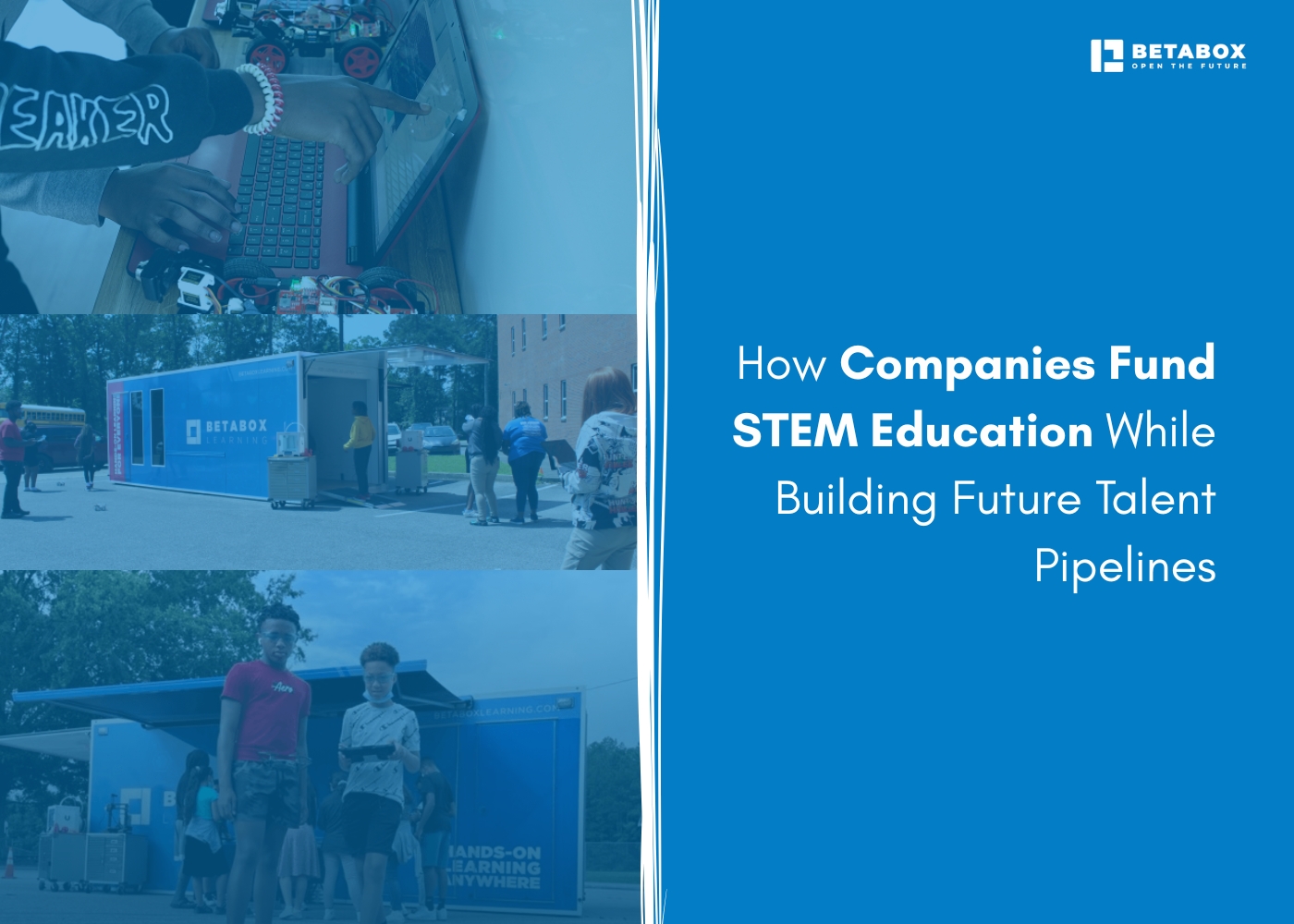
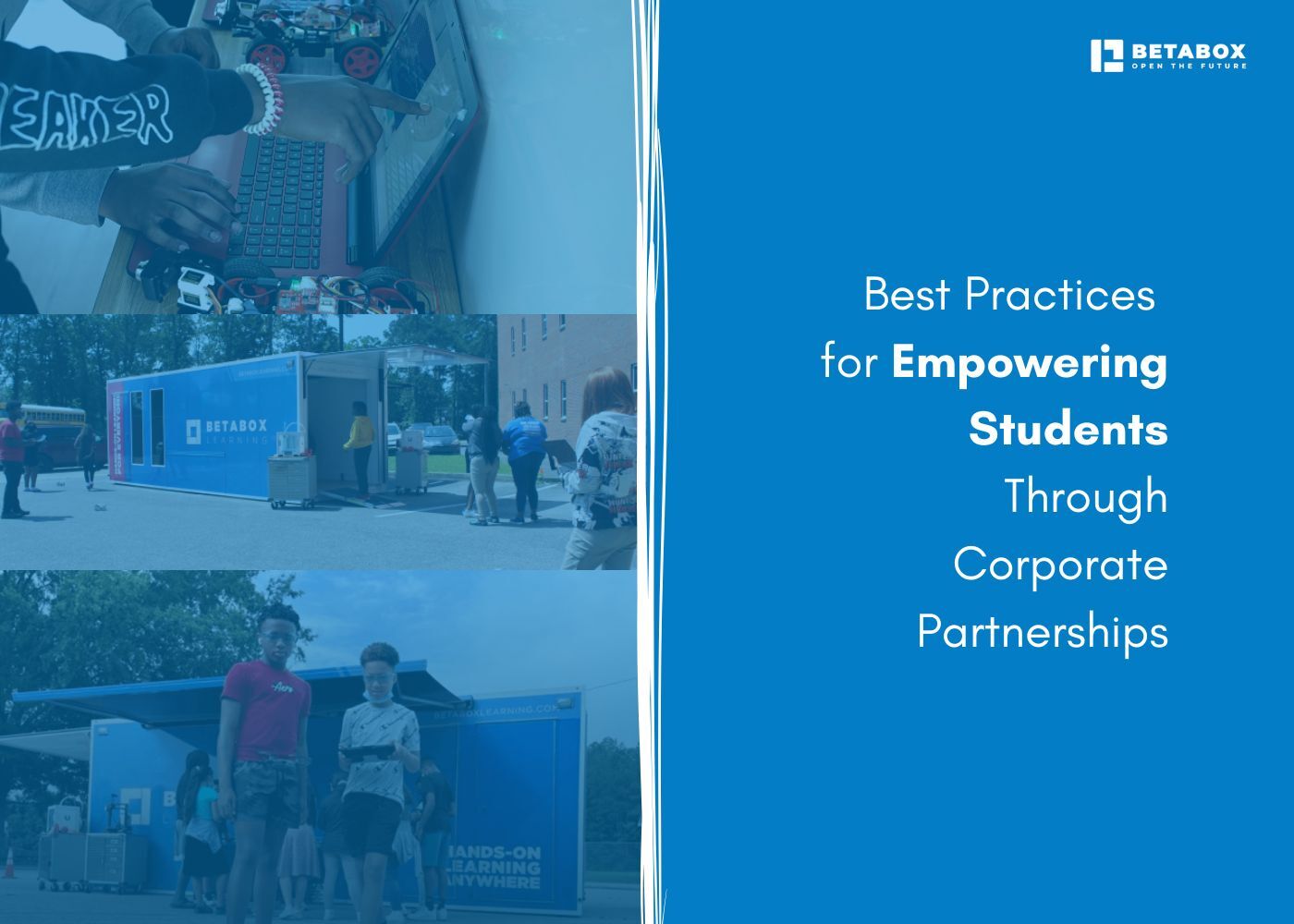
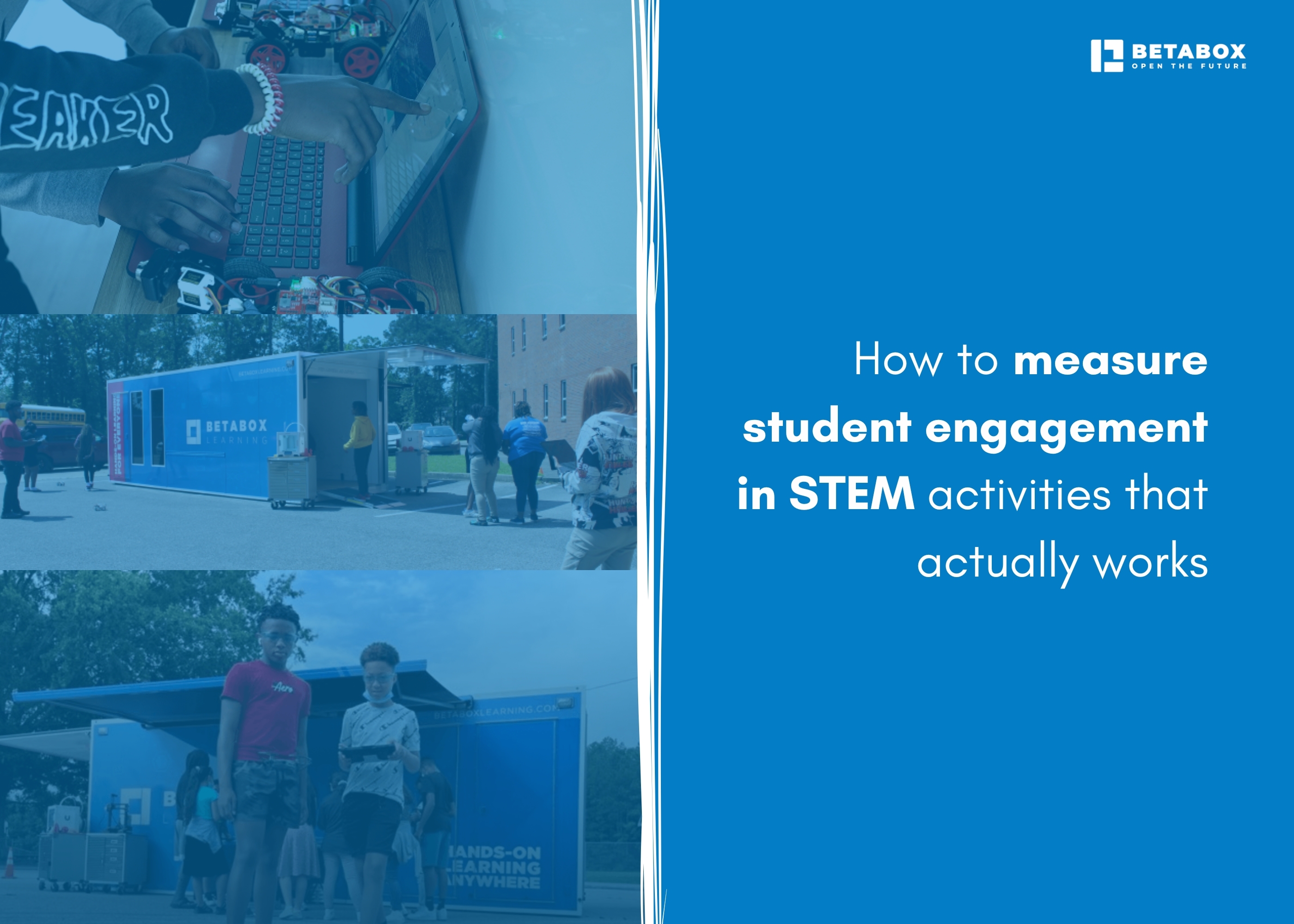
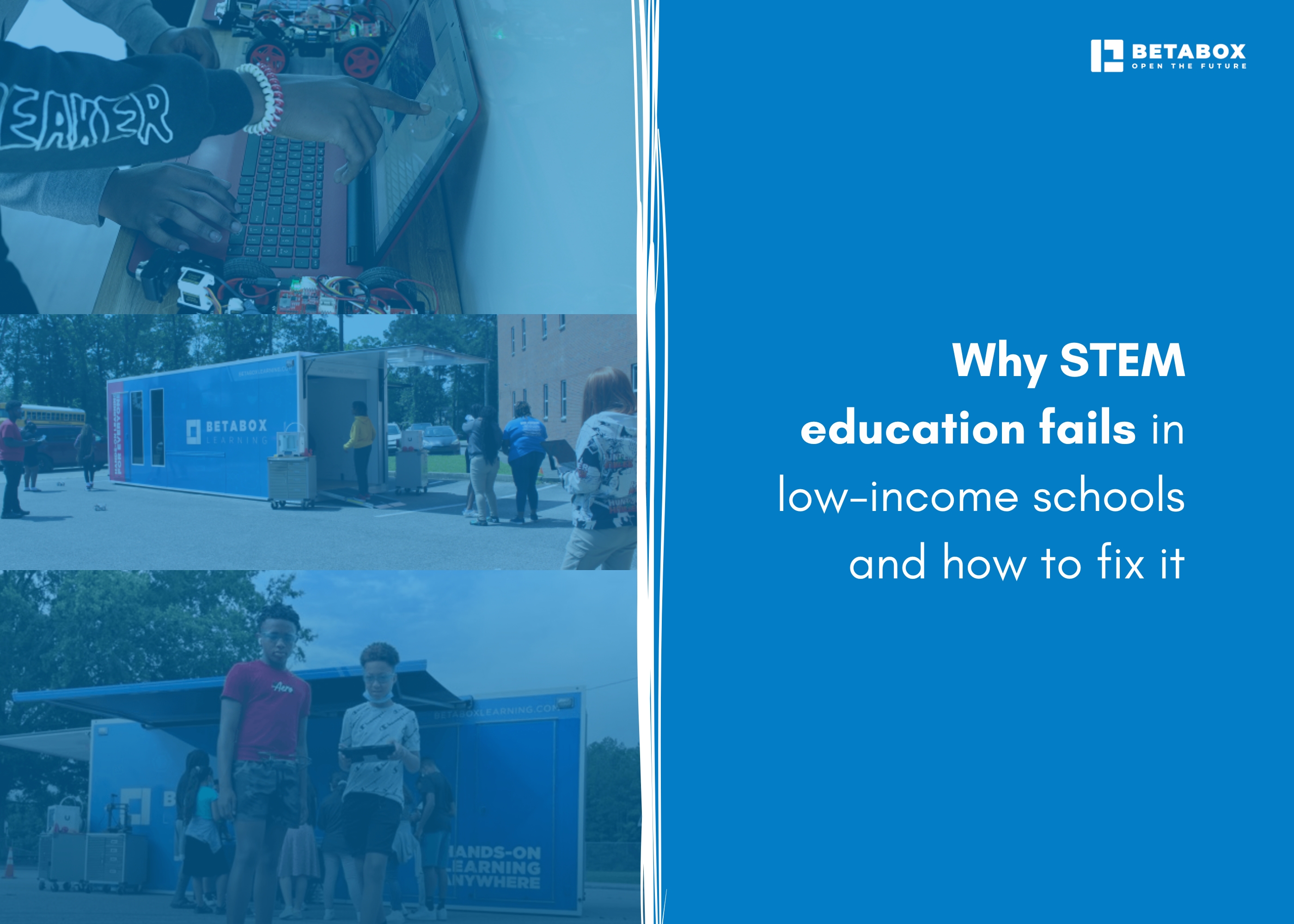
Most importantly, we deliver the experience directly to the school in a field trip format that students remember and value. We're not asking rural schools to become something they're not. We're meeting them where they are and bringing high-quality STEM exploration to their students.
To be clear: programs like FIRST Robotics, Project Lead the Way, and similar initiatives create tremendous value and deserve continued support. In communities with the resources to implement them successfully, they're exceptional options.
But if your organization's mission includes reaching rural students, if your community impact strategy aims to serve the 10 million students in rural America, then your portfolio needs to include delivery models designed for rural implementation success.
Betabox doesn't replace those programs. We complement them by ensuring that students in communities without the capacity for intensive ongoing programs still receive high-quality, hands-on STEM experiences.
For community partners, industry sponsors, and education leaders serious about rural STEM impact, the question isn't whether to support STEM education. Rather, the question is which delivery models will actually reach students in the communities you aim to serve.
Low-lift, high-impact programs aren't a compromise on quality. Rather, they recognize that implementation barriers are real, and that genuine impact requires meeting communities where they are with solutions matched to their context.
If your organization partners with rural districts, we invite you to consider how a program like Betabox might complement your existing outreach strategies. Let's have a conversation about ensuring your STEM investment translates into actual student experiences, not just good intentions that founder on implementation challenges.
Every student deserves access to inspiring STEM exploration, regardless of their zip code. Making that happen in rural America requires programs built specifically for rural success.
Ready to explore how Betabox can extend your rural community impact? Contact us to discuss how our low-lift, high-impact model fits into your community outreach and education partnership strategy.
References


Ready to learn how Betabox resources can be implemented at your school or District?
Book a Blueprint Call

.jpg)

.jpg)
.jpg)
.jpg)






.jpg)

At Betabox Learning, we are passionate about making hands-on STEM curricula accessible to all students.






.jpg)