Museum visits have their place, but watching a robot through glass doesn't compare to building one yourself. Schools across the country are searching for field trip options where students actually touch automation technology, write code that controls real machines, and solve engineering challenges that matter.
The programs exist.
Students who participate in robotics education are significantly more likely to pursue STEM majors and careers. Here's how to find automation field trips that create those career-defining moments.
Automation field trips center on hands-on learning rather than passive observation. Students build robots, write code, solve engineering challenges, and see how automated systems function in real applications.
Programs including automation typically feature robot assembly and programming activities, AI concept exploration through coding exercises, sensor integration, collaborative problem-solving with industry-standard tools, and direct connections between classroom learning and technology careers.
Students who engage with automation technology don't just learn technical skills. They start seeing themselves in technology careers that seemed abstract before. That shift in identity drives long-term outcomes.
Multiple organizations bring automation experiences directly to schools, eliminating transportation challenges and making opportunities accessible to more students.
Robotics & AI Club of America offers in-school robotics field trips where trained instructors bring robots, laptops, and complete curriculum to schools. Students work with robotics systems without leaving campus. Snapology provides mobile STEM field trips using LEGO robotics and engineering challenges, guiding students through hands-on activities introducing automation concepts.
RobotLAB Innovation Labs are modular learning spaces designed for student rotation between AI stations, featuring extensive instructional content and hands-on activities with robotics and automation.
Multiple institutions provide summer programs where high school students take robotics classes and participate in field trips to industry partners. The combination of academic instruction and real-world exposure creates powerful learning.
Automation field trips introduce fundamental concepts aligning with computer science and engineering standards.
Students write instructions controlling robot behavior using block-based or text-based programming languages. The immediate feedback of seeing code make a robot move accelerates learning.
Understanding how robots perceive their environment through cameras, infrared sensors, and ultrasonic detectors connects abstract concepts to tangible applications.
Students apply engineering design processes to identify problems, prototype solutions, and iterate improvements. Mechanical systems including motors, gears, and structural components become real rather than theoretical.
Different ages need different approaches. Quality programs adapt rather than offering one-size-fits-all experiences.
Younger students benefit from foundational robotics activities introducing sequencing, basic programming logic, and simple mechanical concepts. Programs using LEGO robotics work well, focusing on visual programming and straightforward assembly.
Middle school programs introduce more complex automation concepts including sensor integration, conditional logic, and multi-step programming sequences. Research shows robotics integration correlates with significant improvements in engagement levels at this age.
High school automation field trips feature industry-standard tools, advanced programming concepts, and real-world applications. Students can assemble mobile manipulator robots with infrared-controlled arms, experiencing technology used in actual workplaces.
The best automation field trips prioritize direct student engagement over demonstrations.
Activities commonly include building and programming autonomous robots to navigate obstacle courses, designing solutions to engineering challenges, competing in robot battles or races, integrating sensors, and collaborating in teams to solve automation problems. During recent seasons, hundreds of thousands of students explored STEM concepts through programs like FIRST LEGO League, demonstrating the scale of hands-on robotics engagement available.
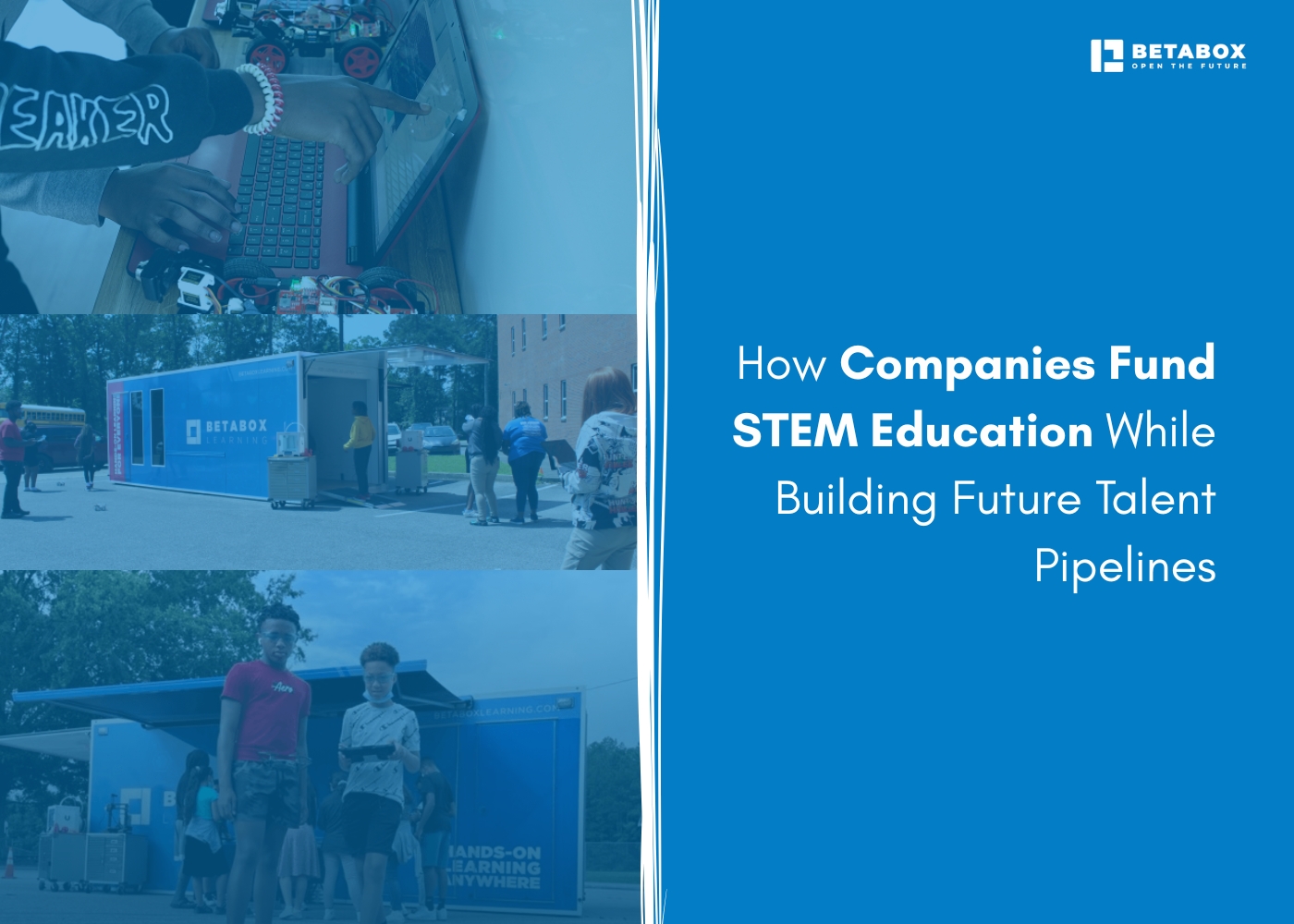
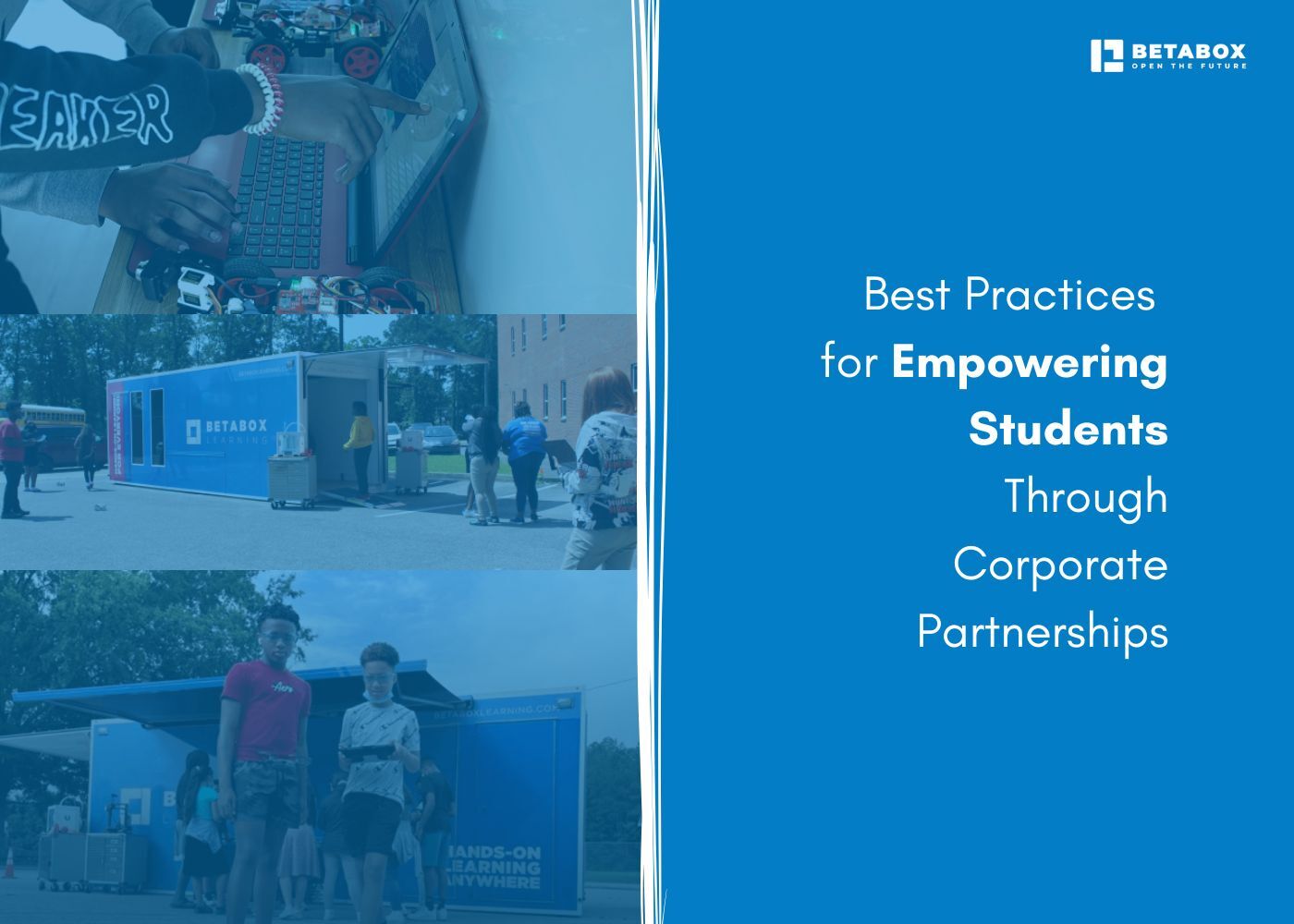
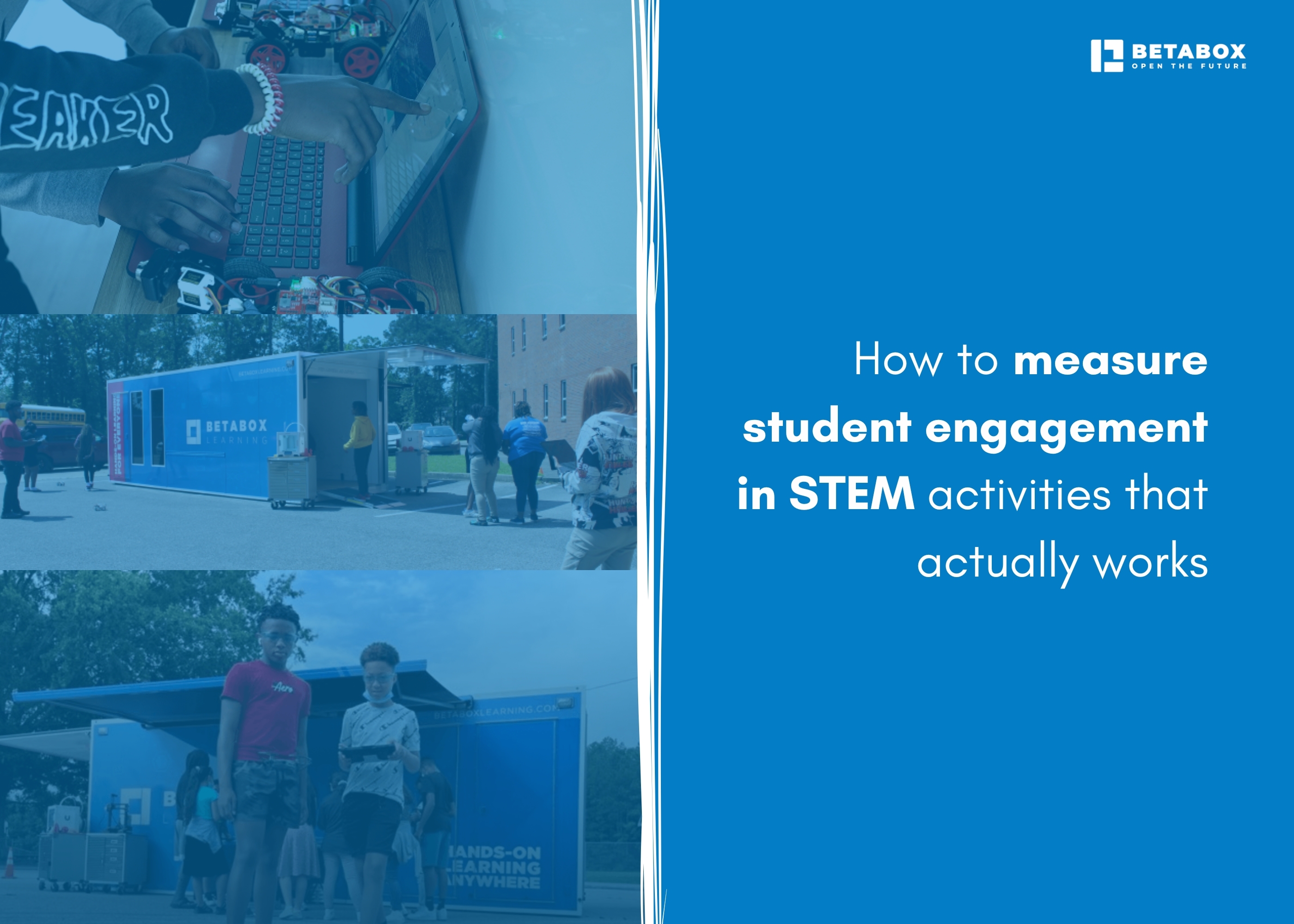
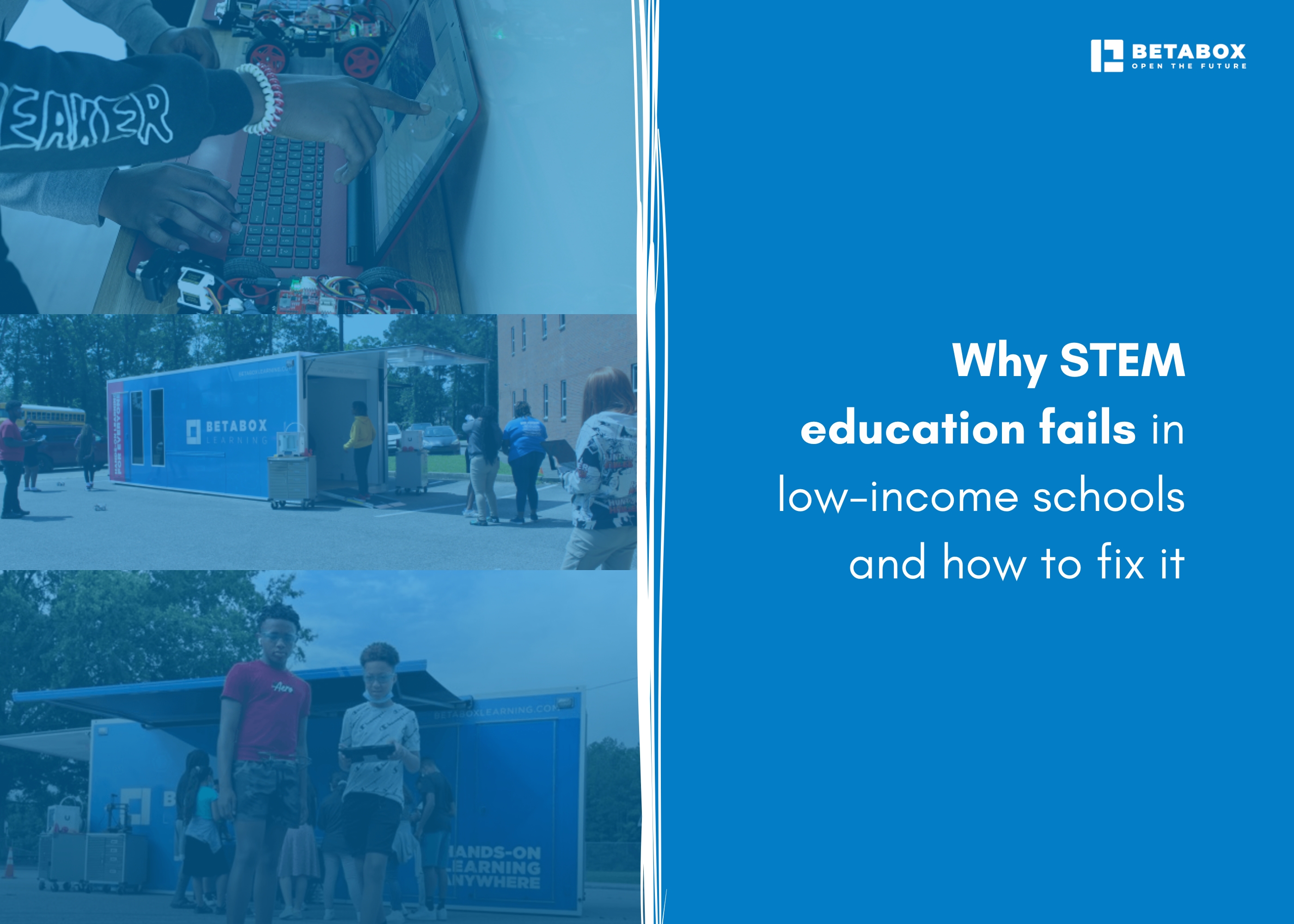
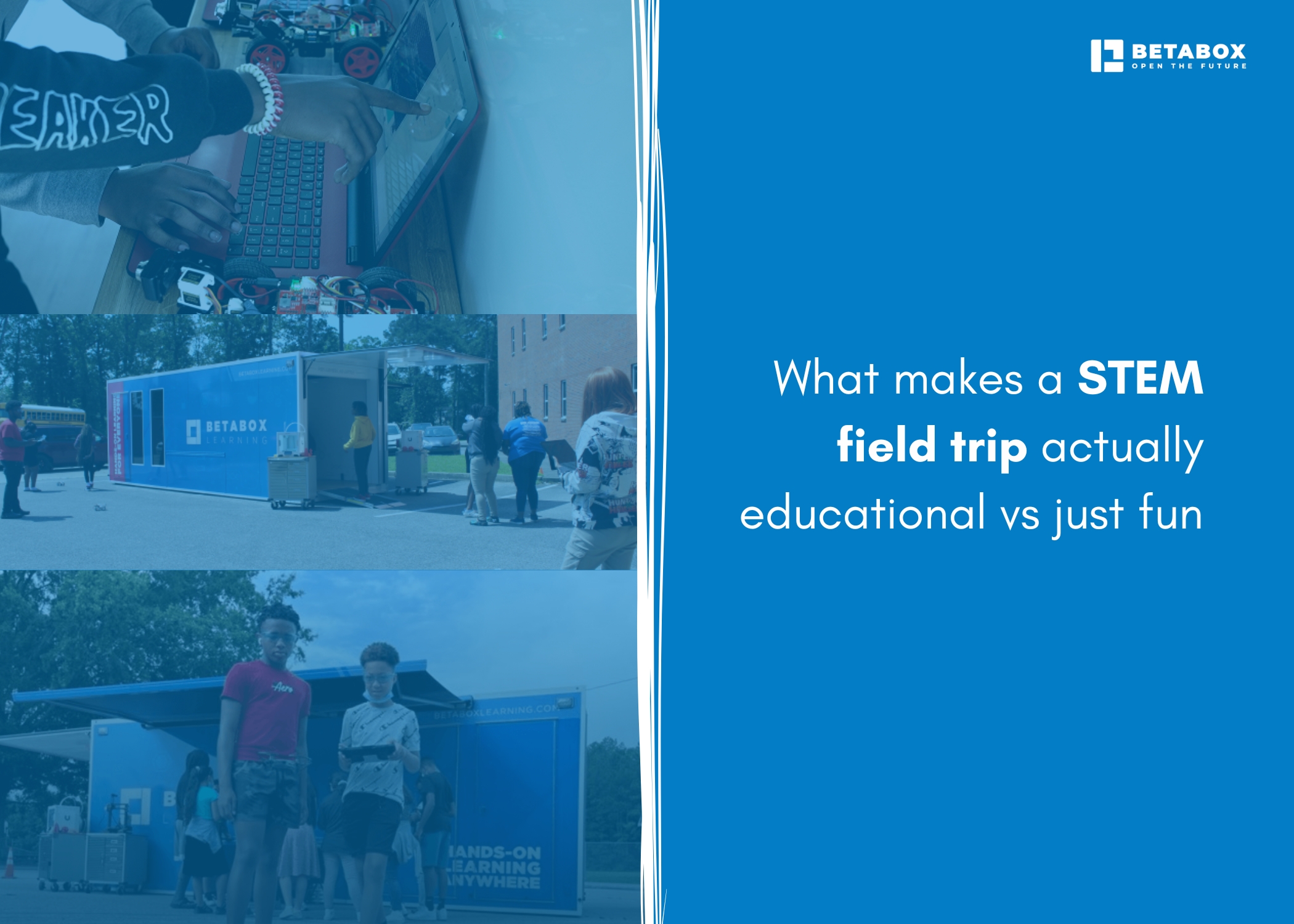
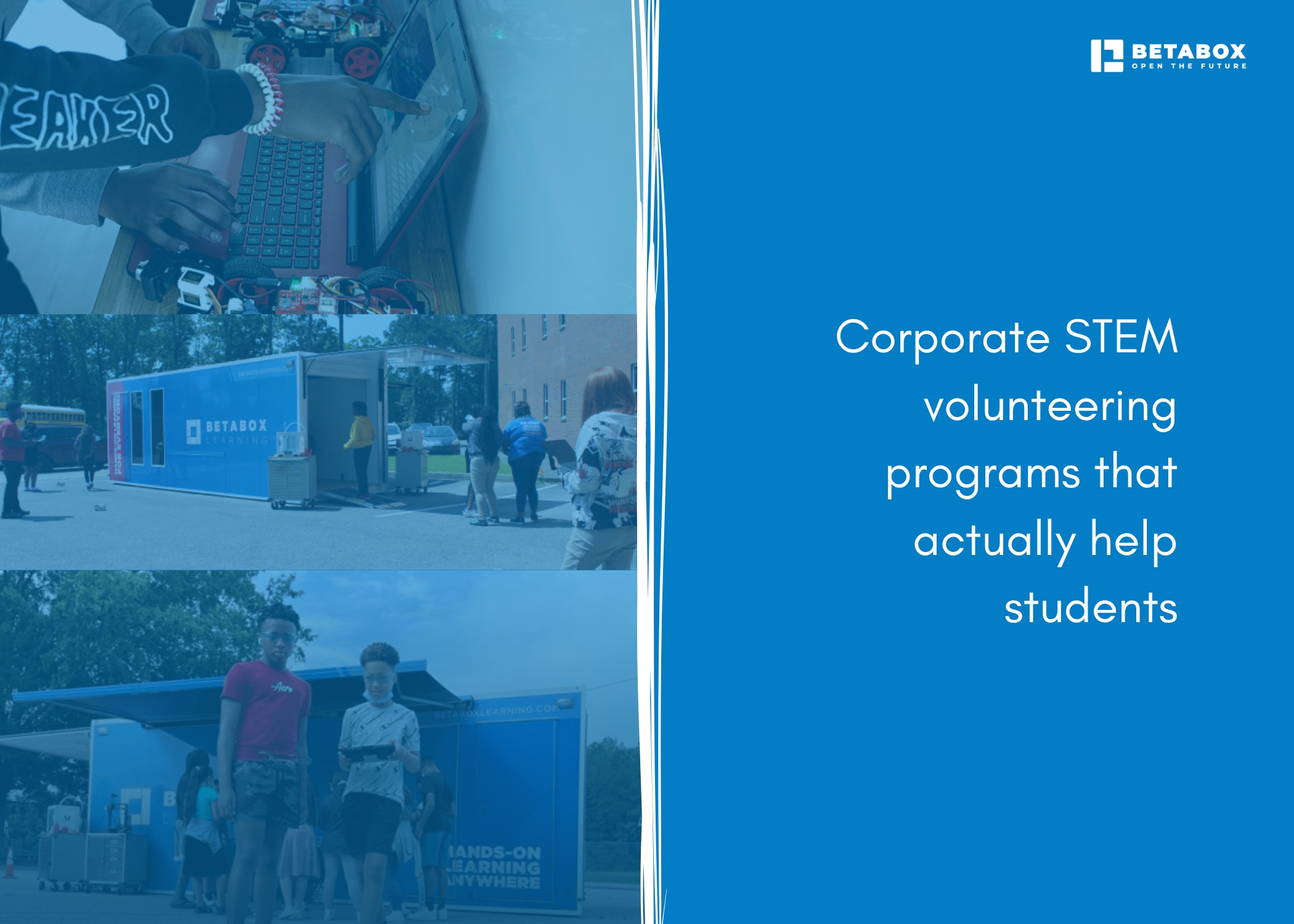
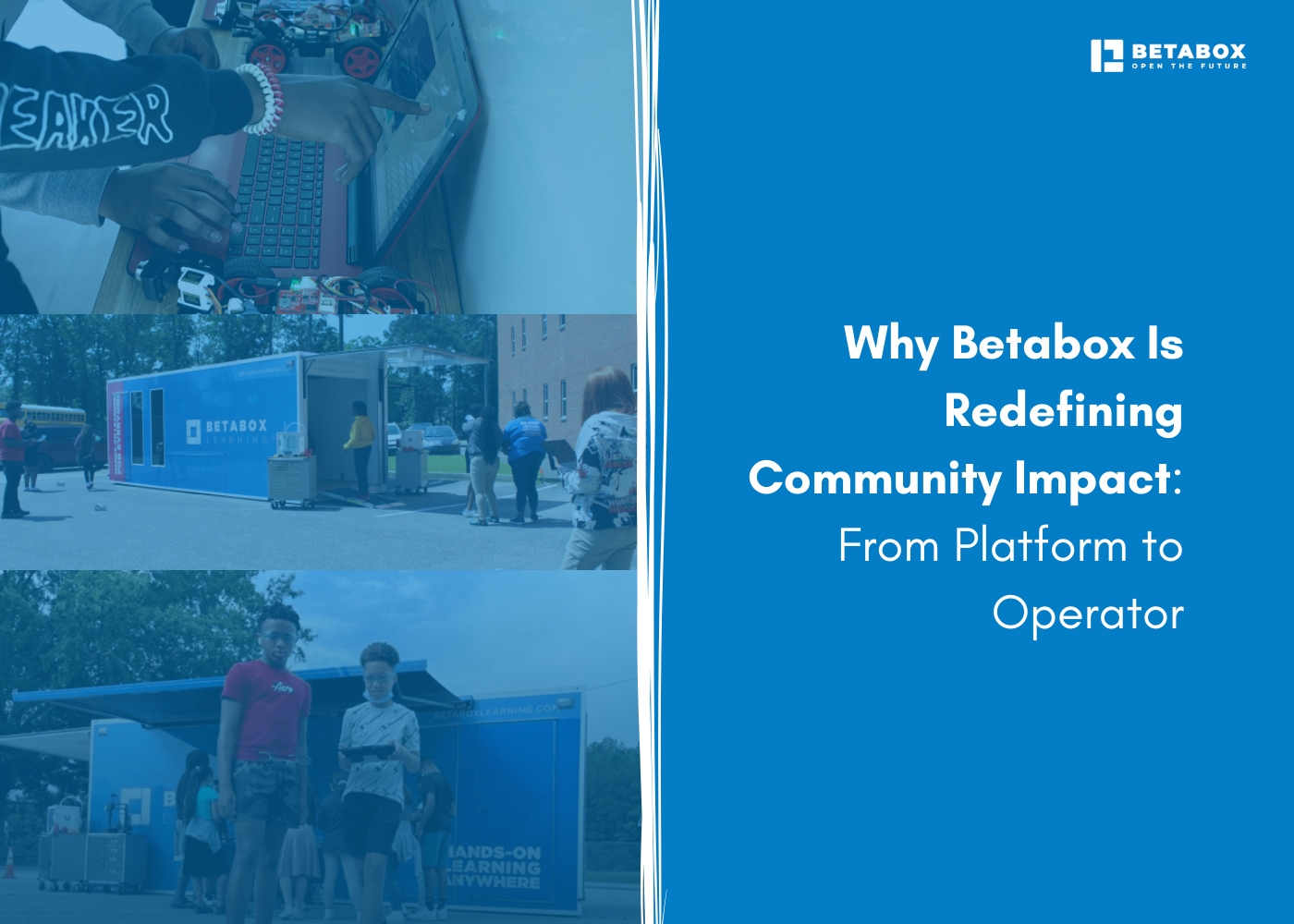
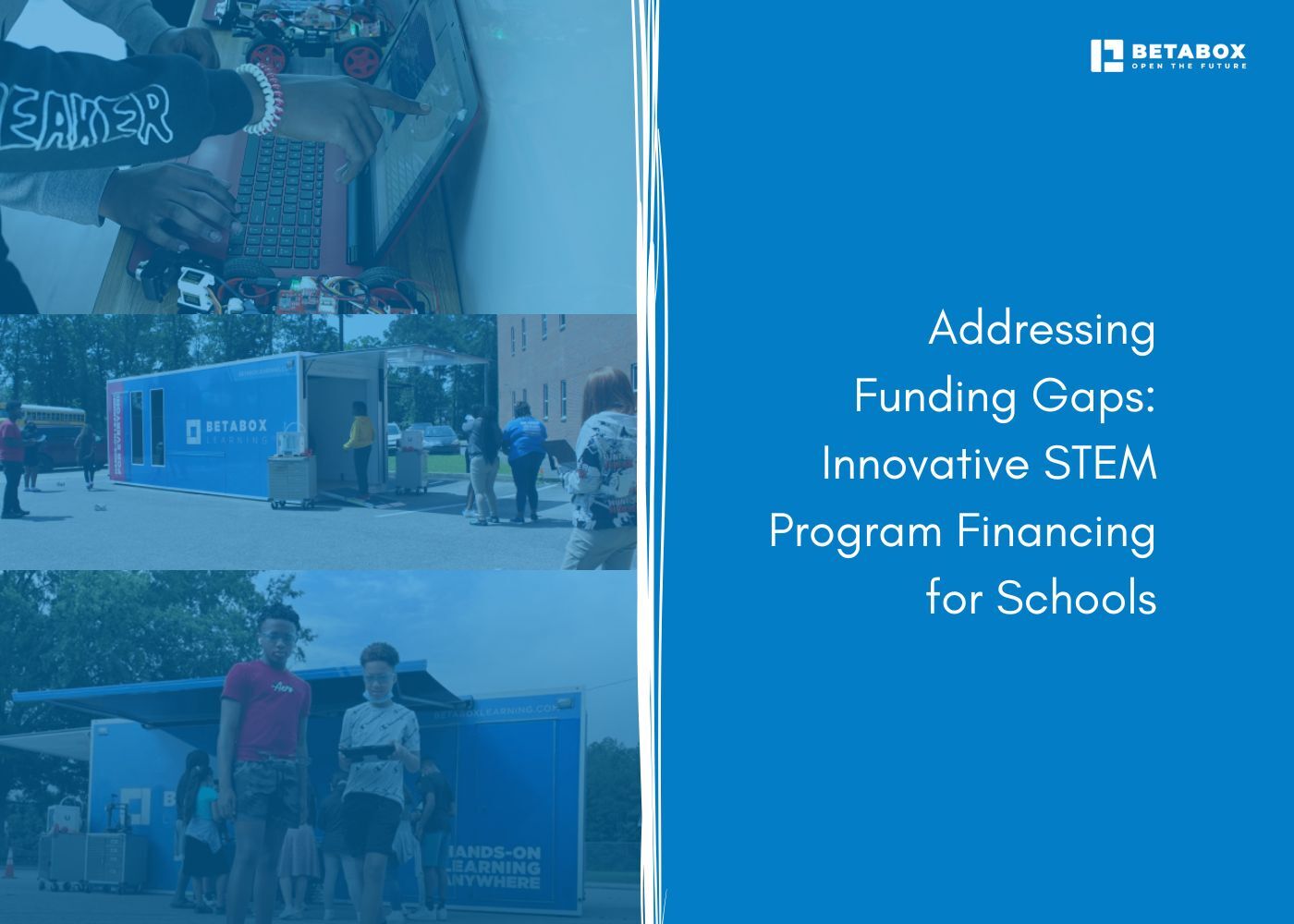
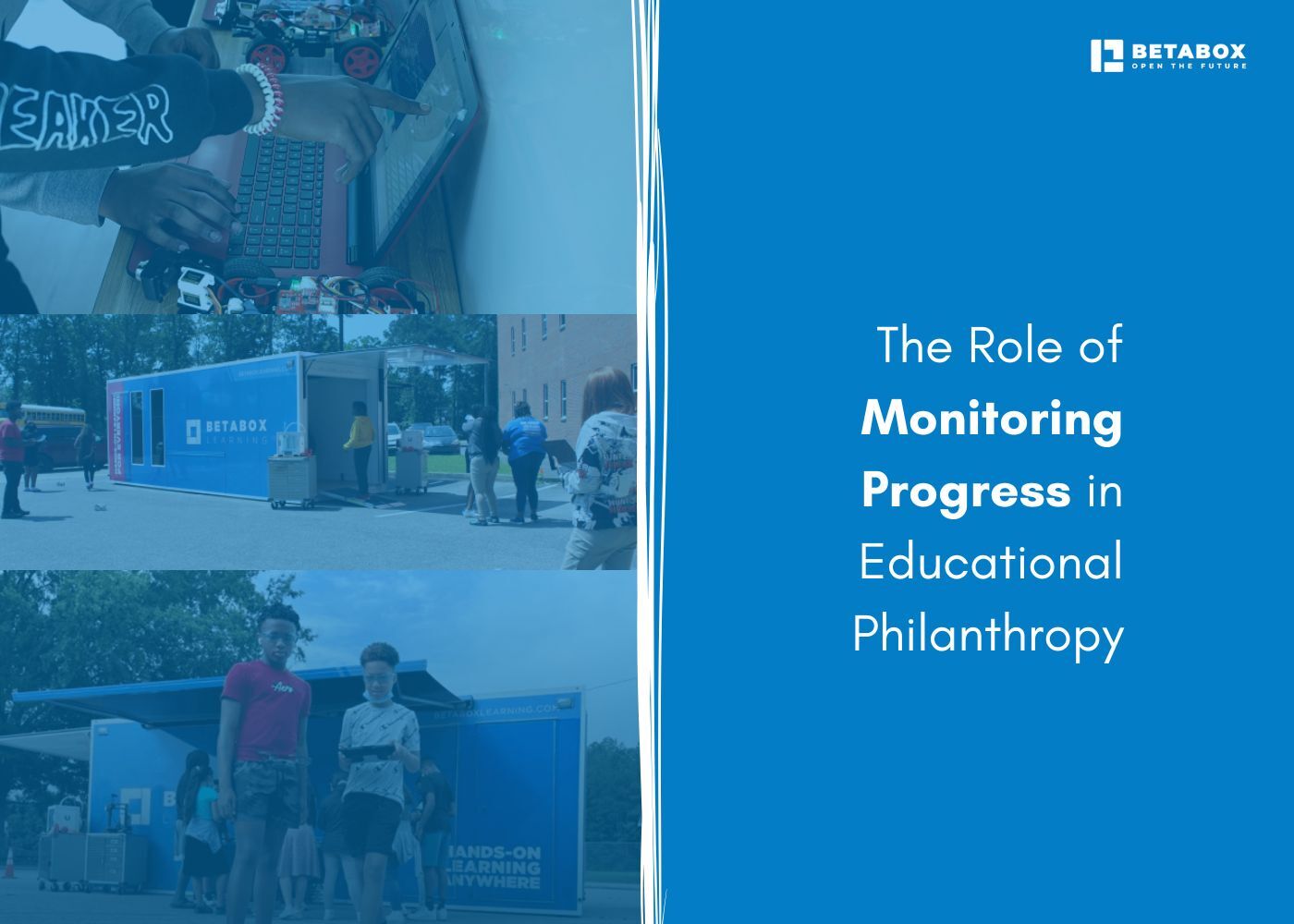
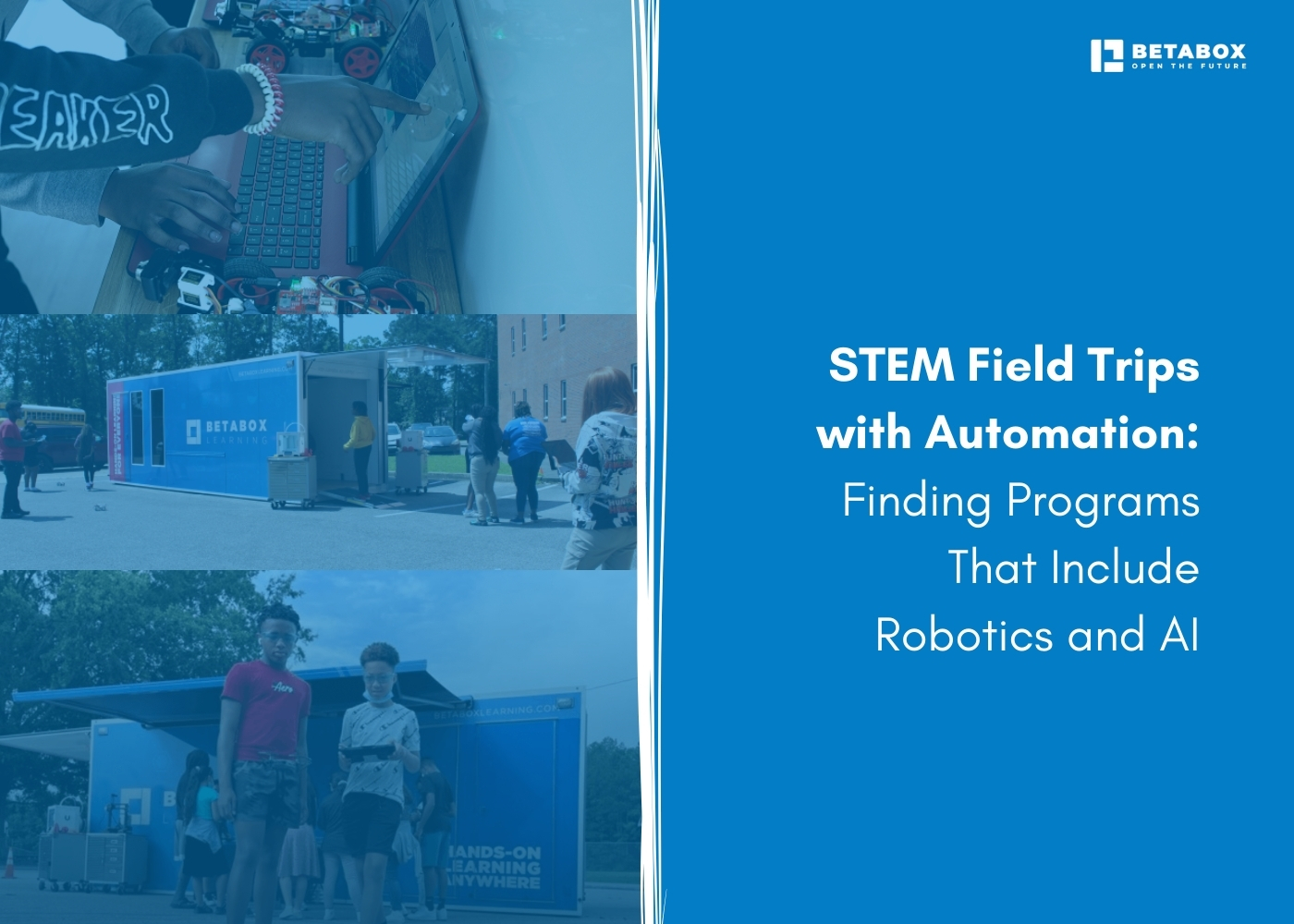
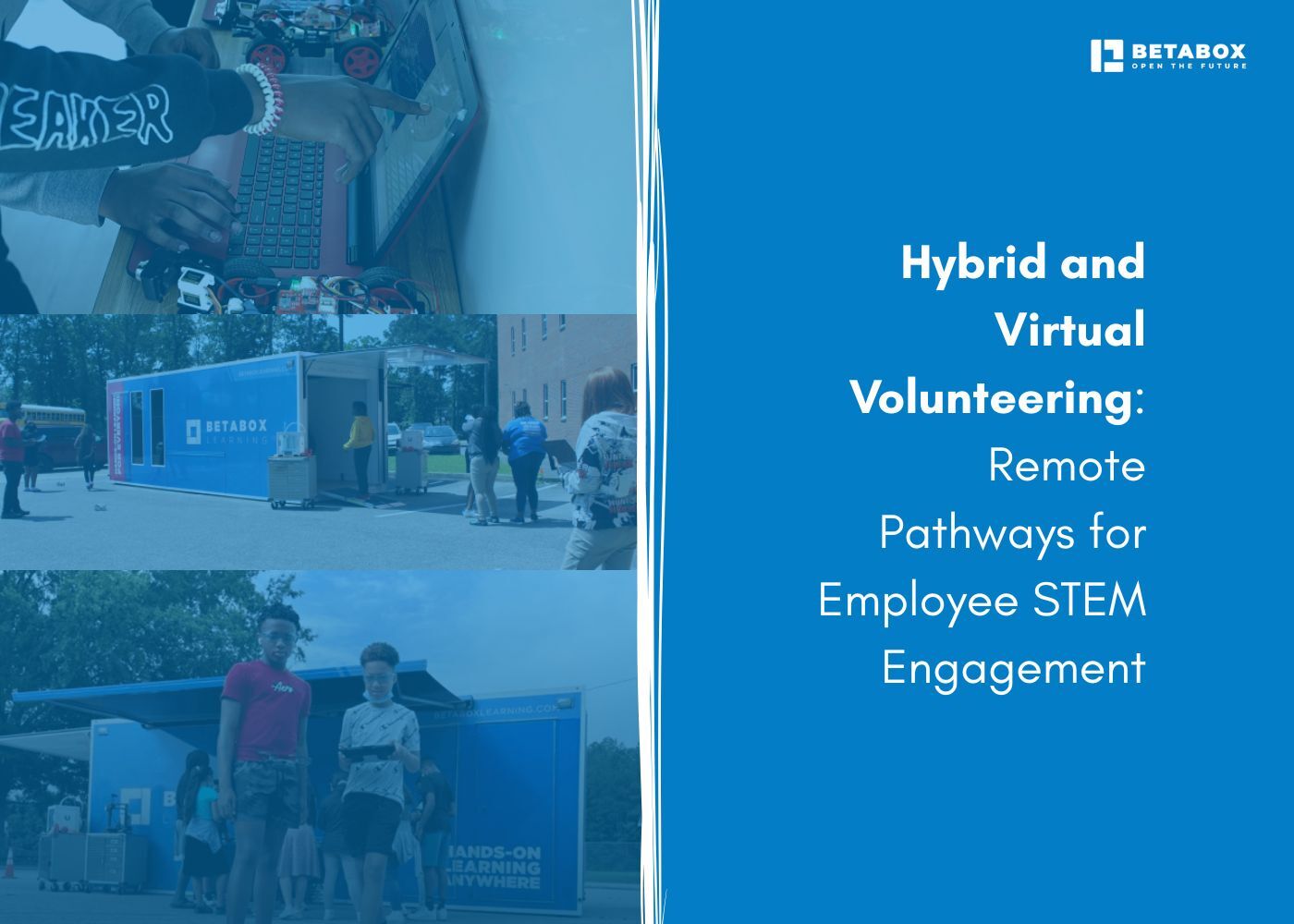
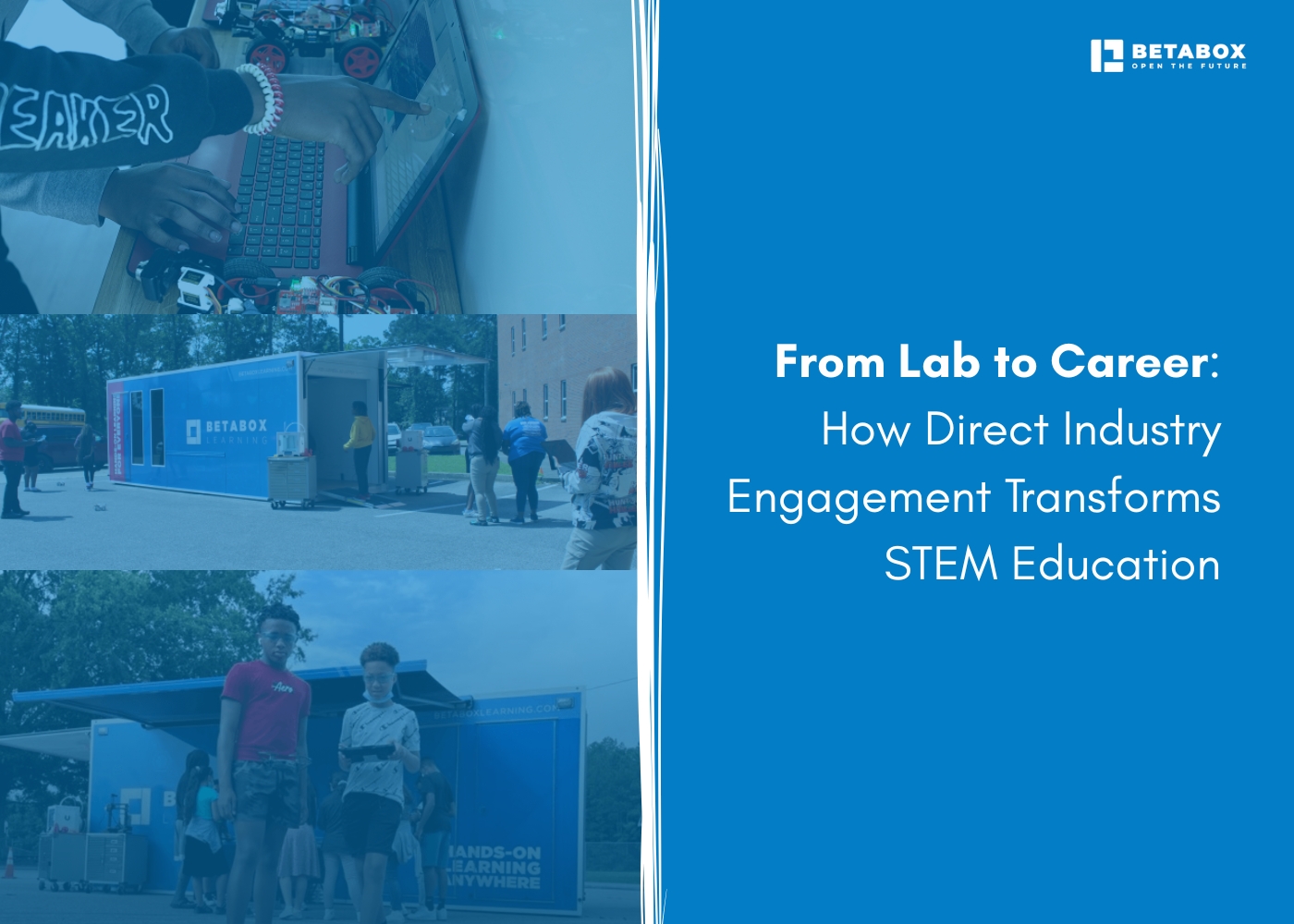
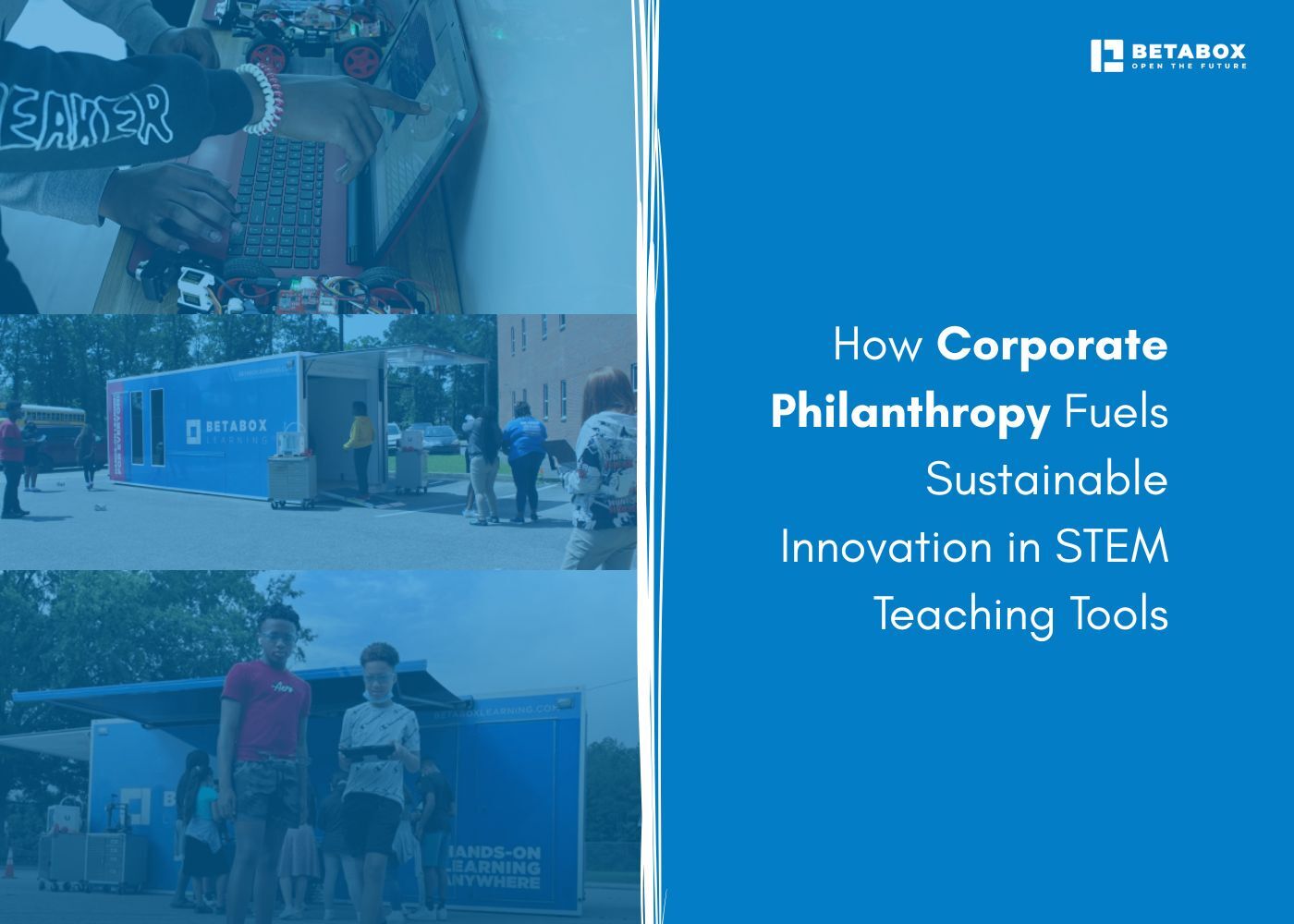
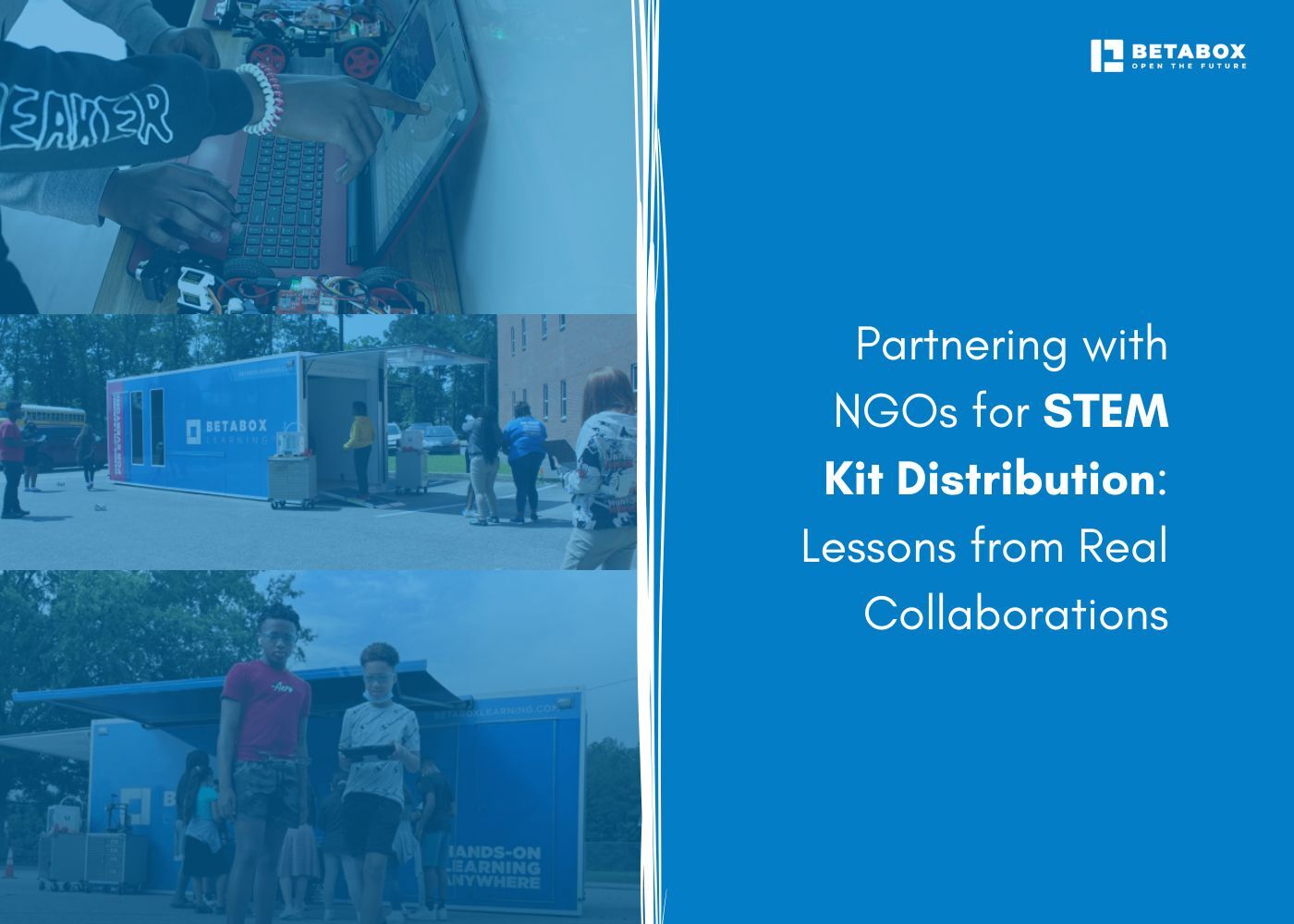
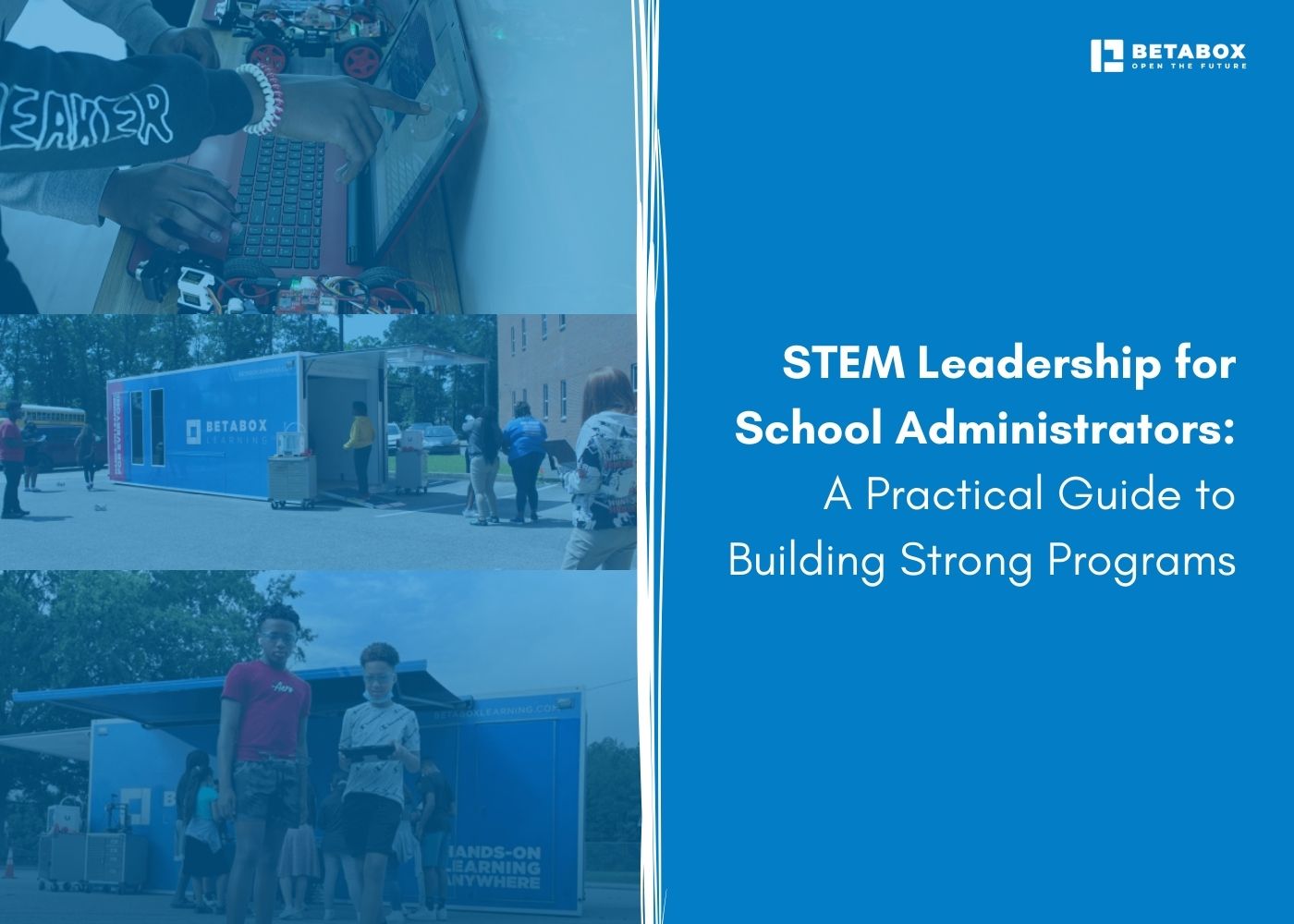
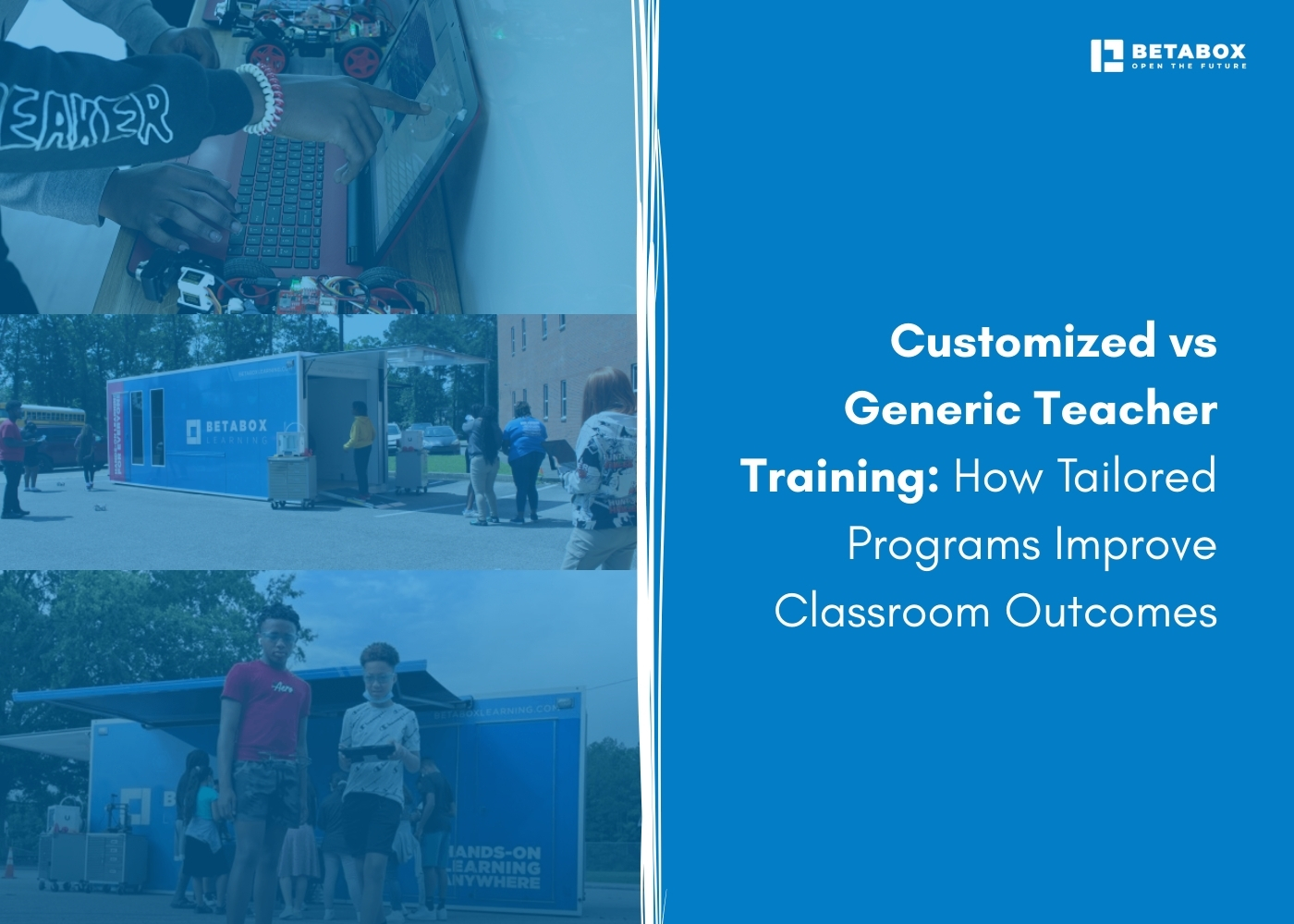
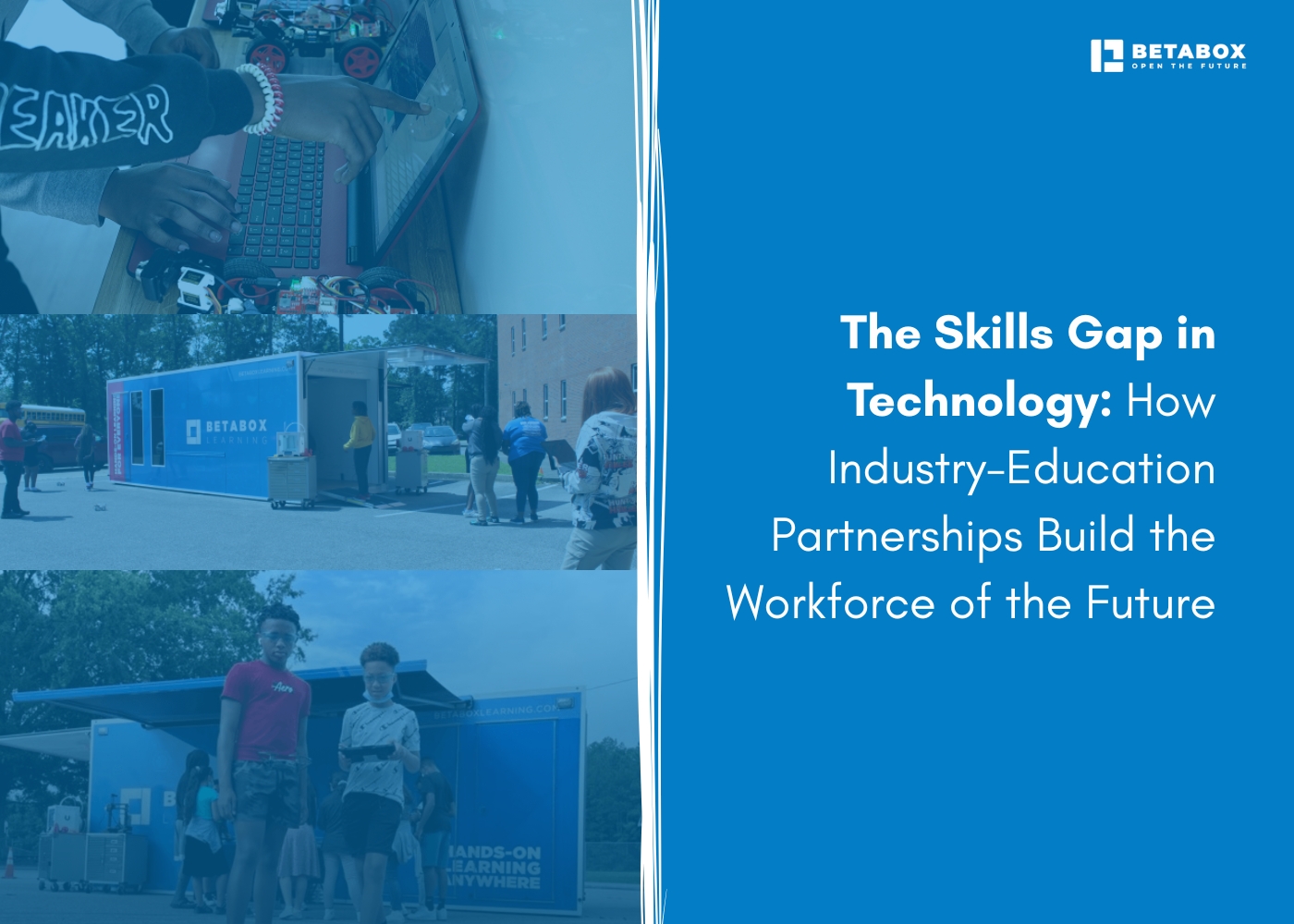
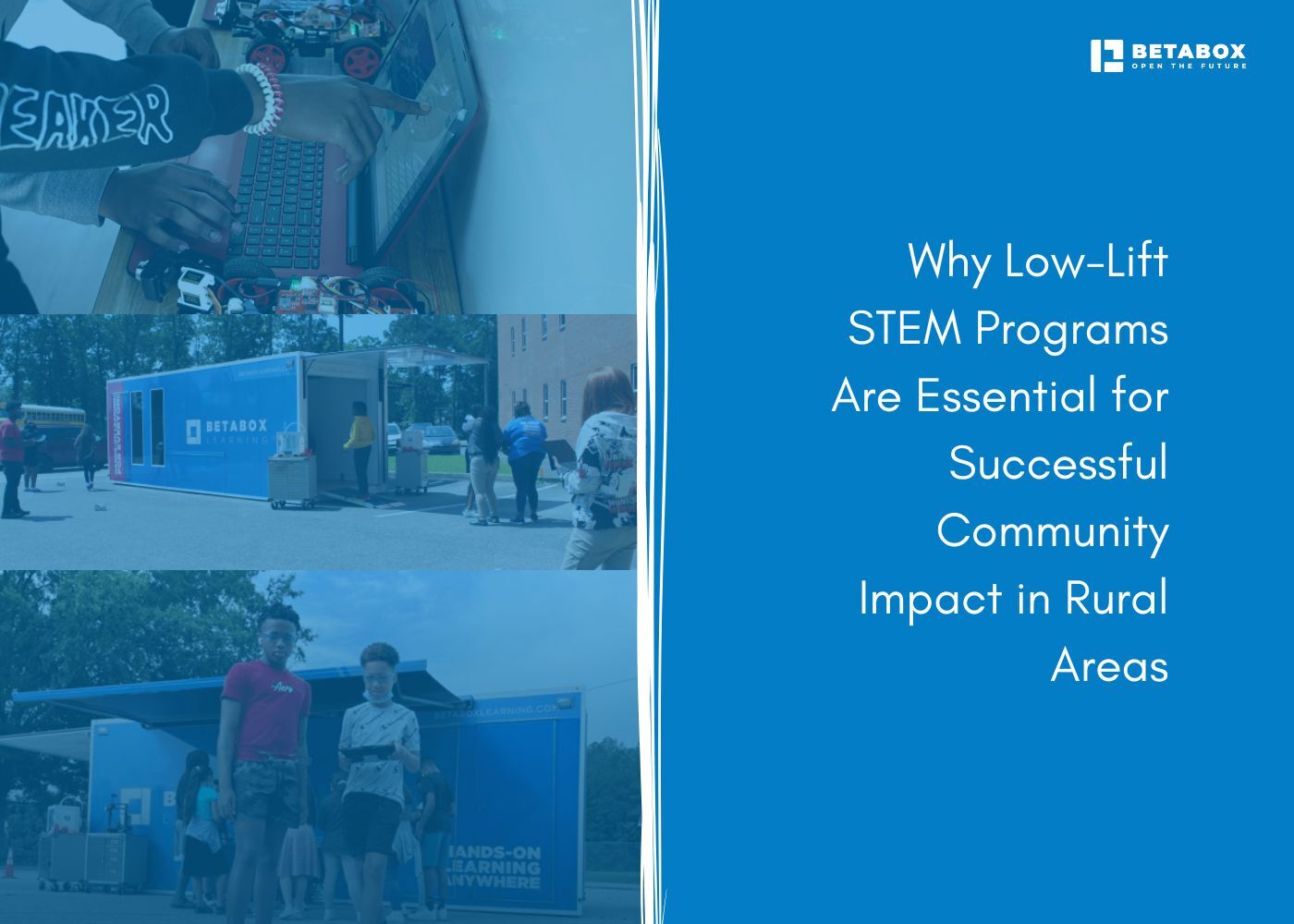
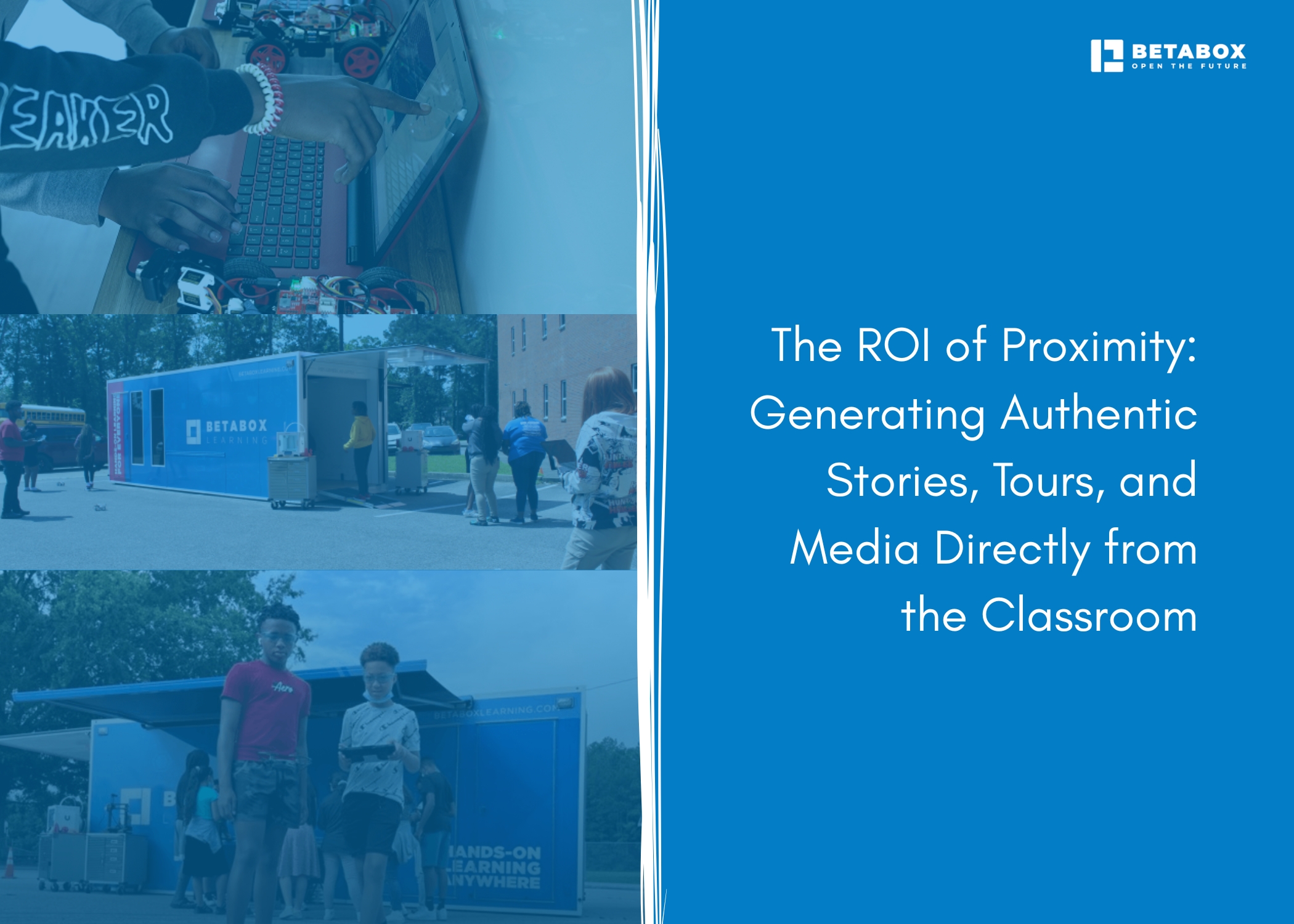
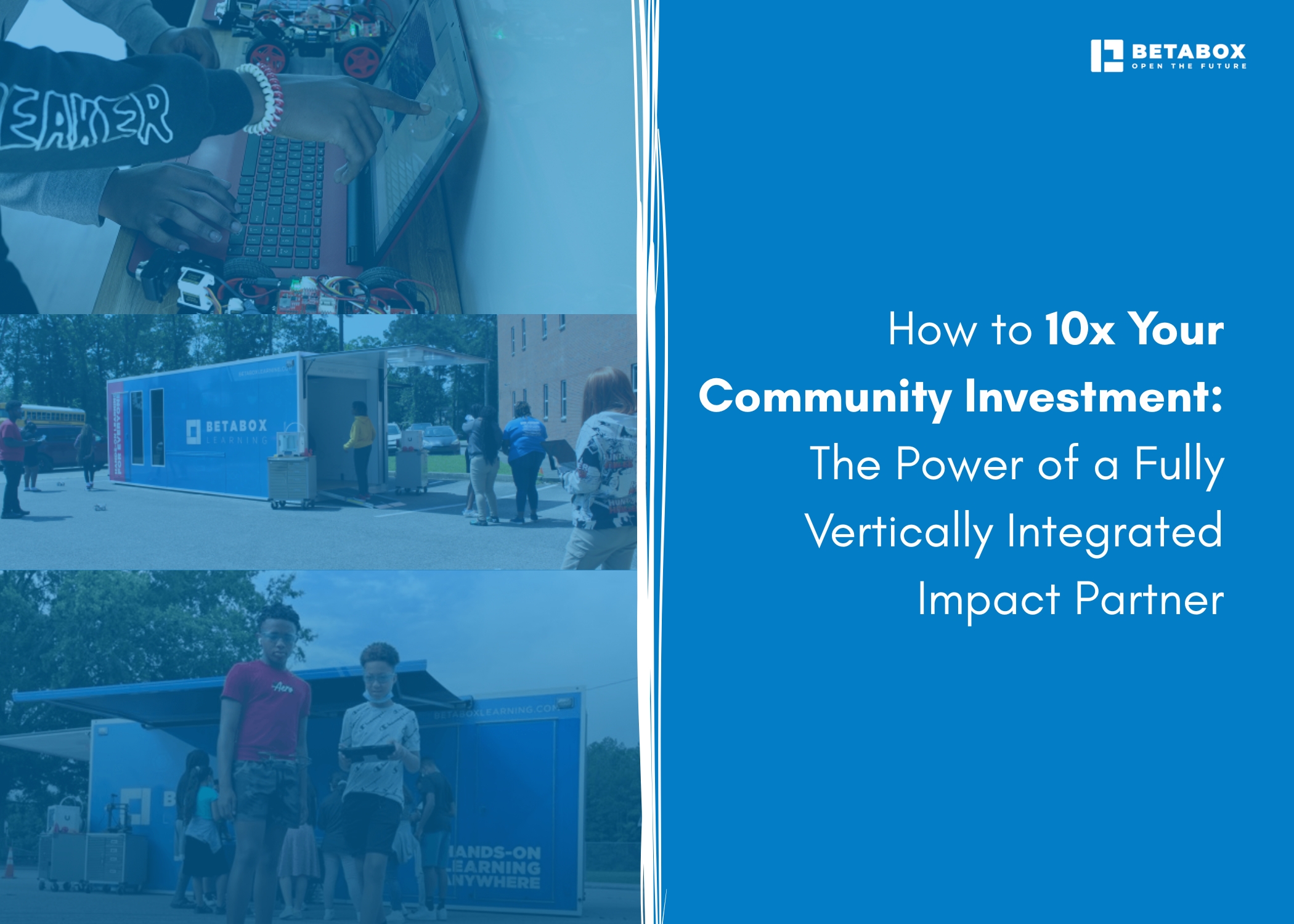
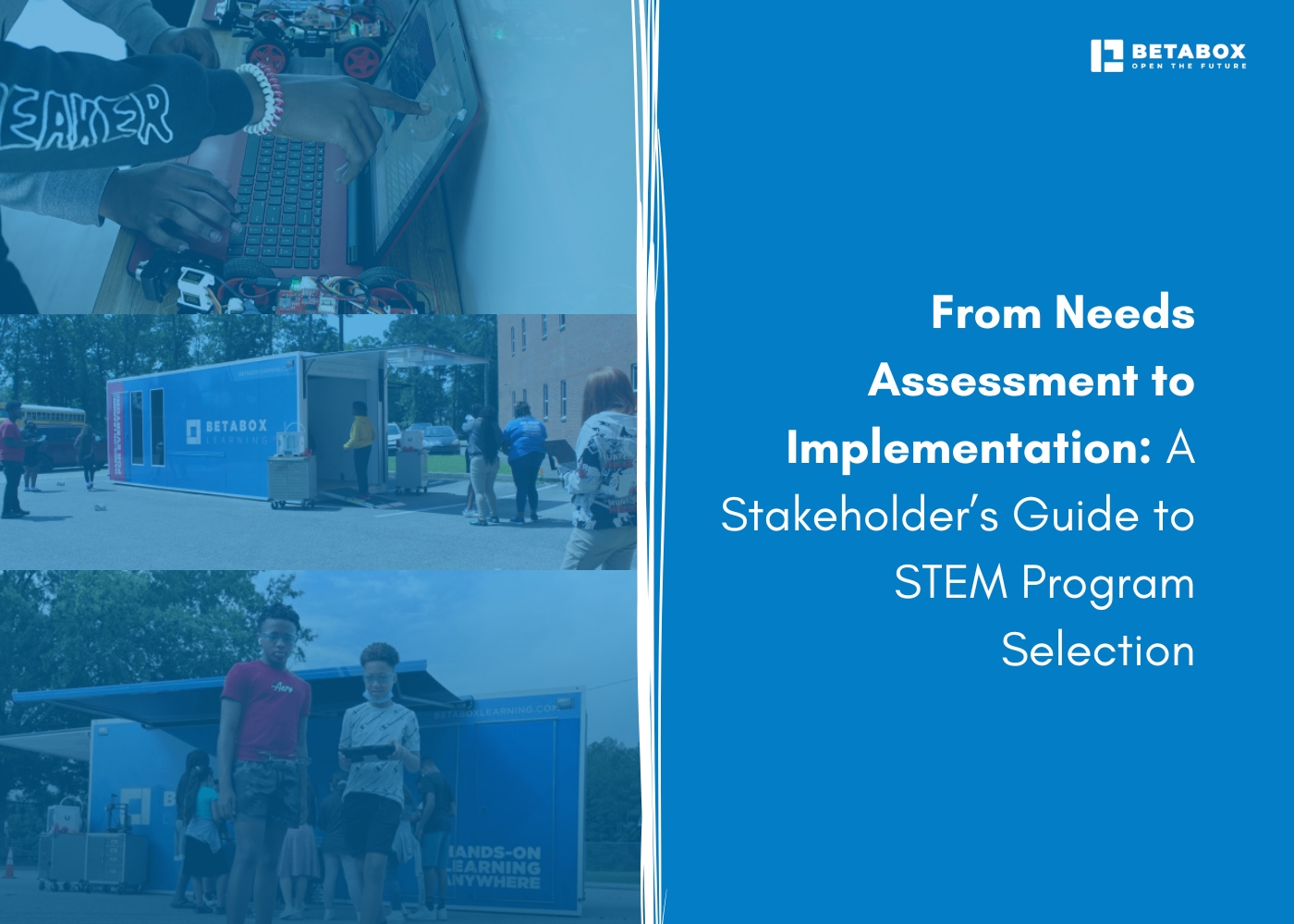
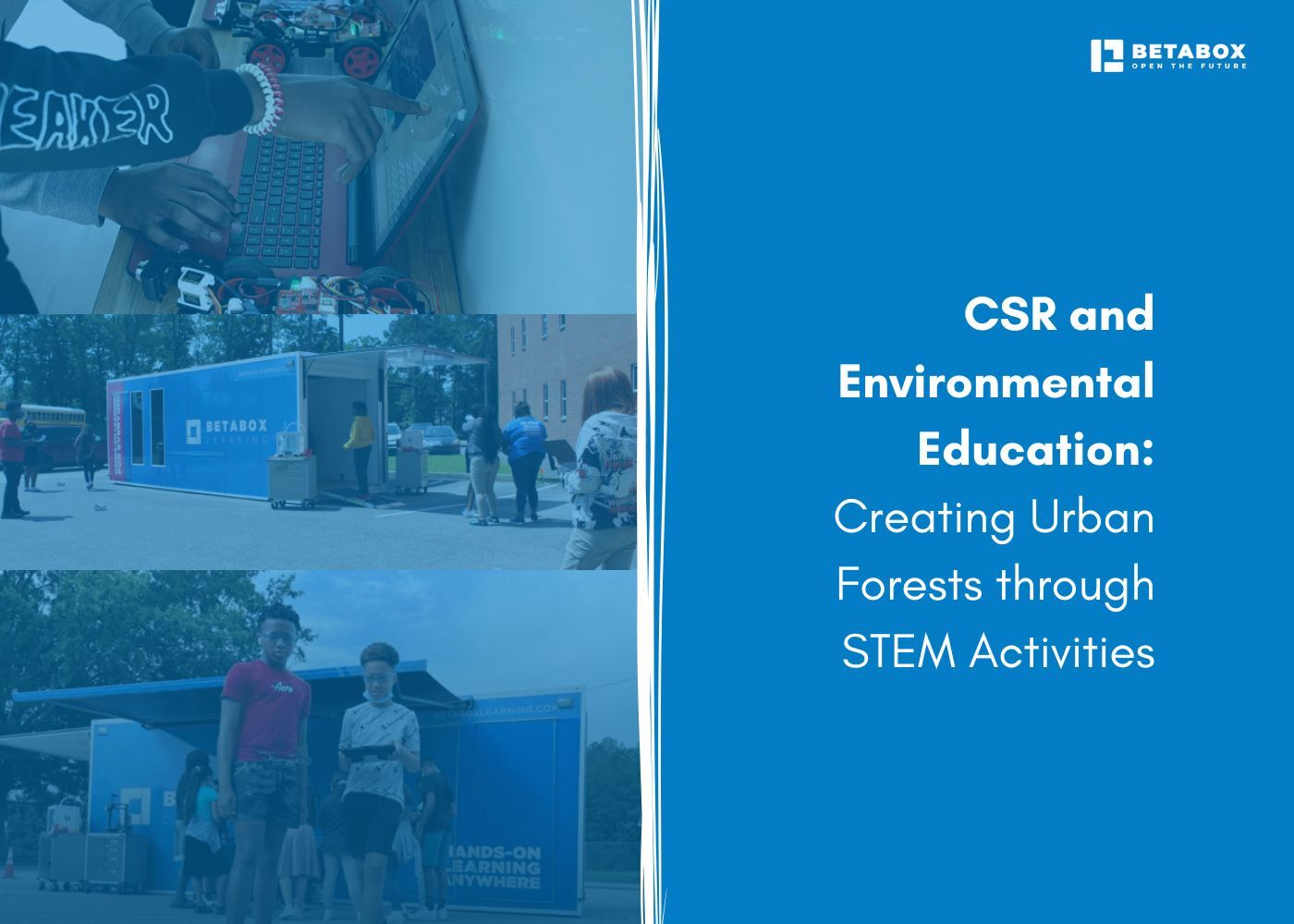
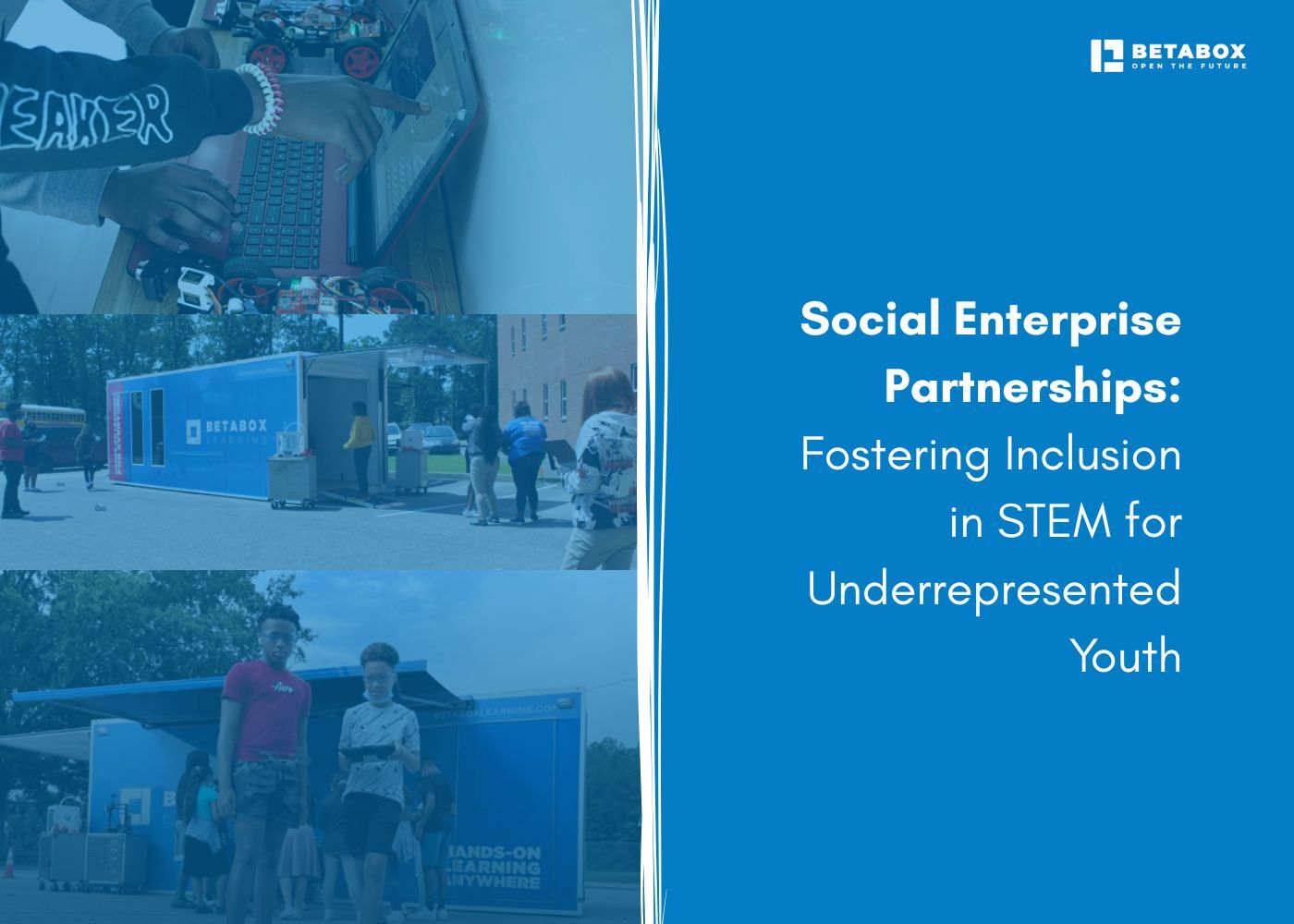
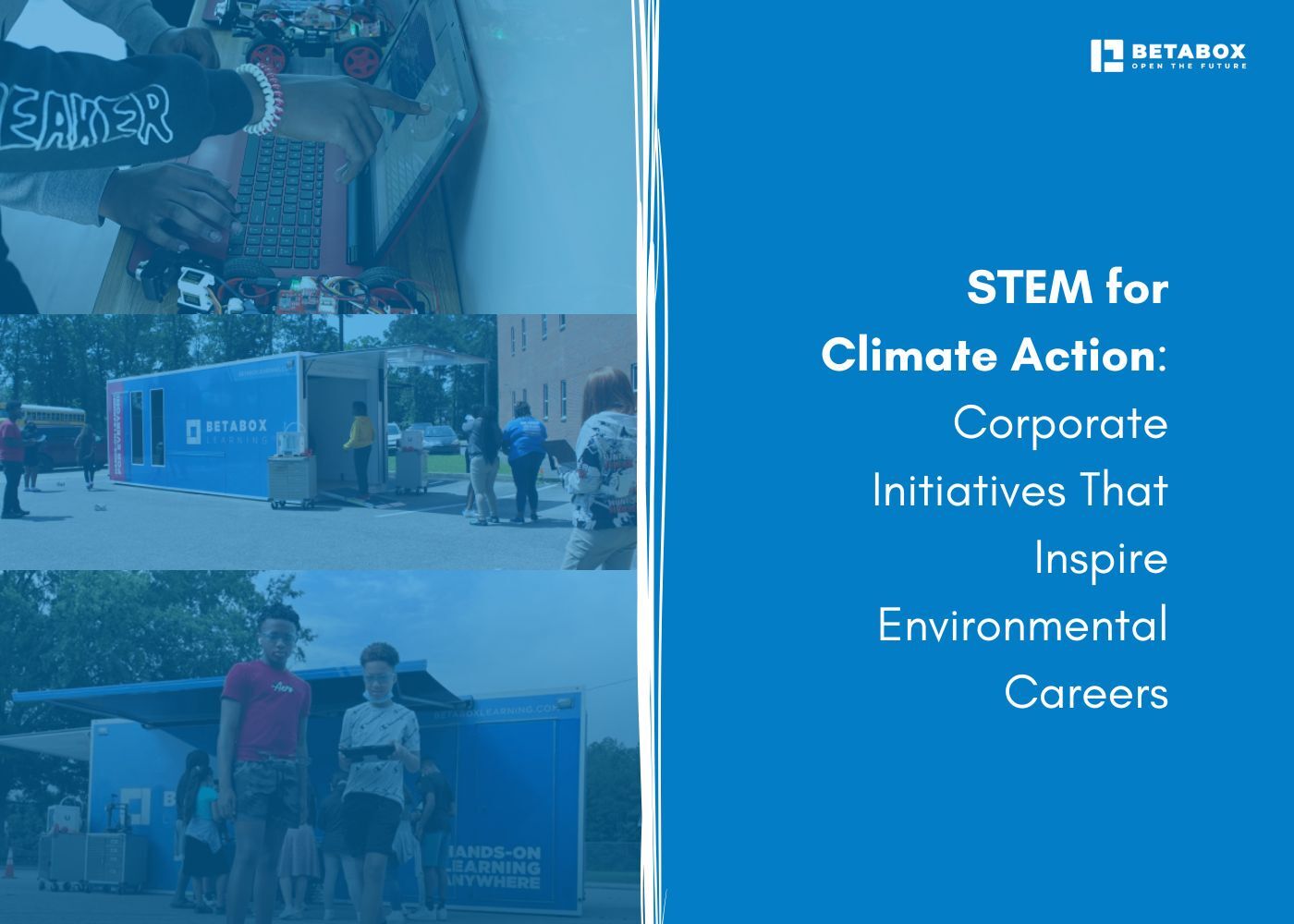
Betabox Onsite Field Trips bring transformative hands-on STEM experiences directly to schools. Mobile field trips eliminate transportation barriers while delivering industry-aligned learning, preparing students for technology-enabled careers. The Betabox team helps schools secure funding and implement turnkey STEM programs, including robotics, coding, and automation components.
When evaluating automation field trip options, consider age appropriateness, hands-on time versus demonstrations, equipment quality, instructor qualifications, learning outcomes with curriculum connections, and logistics, including funding support.
Schools without access to local automation programs can explore mobile STEM providers, bringing complete experiences to campus. While virtual options have expanded, hands-on manipulation of physical robots provides learning benefits that simulations can't fully replicate.
Are there STEM field trips that include automation and robotics?
Yes, multiple organizations provide automation-focused STEM field trips. Options include in-school mobile programs, university-based experiences, innovation labs, and museum field trips ranging from single-day workshops to multi-week experiences.
What automation concepts do students learn on these field trips?
Students learn programming to control robot behavior, sensor technology for environmental perception, mechanical systems including motors and gears, basic artificial intelligence for autonomous decision-making, and engineering problem-solving frameworks.
What grade levels are appropriate for the automation field trips?
Automation field trips work for all grade levels with age-appropriate modifications. Elementary students benefit from basic robotics using visual programming. Middle schoolers handle sensor integration. High schoolers are ready for advanced programming.
Where can schools find automation-focused field trip programs?
Schools can access automation field trips through in-school mobile providers, university STEM outreach programs, innovation labs, robotics museums, and specialized STEM education organizations like Betabox.
How do automation field trips align with curriculum standards?
Quality programs align with Next Generation Science Standards for engineering design, state technology standards, and computer science frameworks. Activities typically meet standards for computational thinking and engineering practices.
What hands-on activities are included in automation field trips?
Students build and program autonomous robots, design solutions to engineering challenges, participate in robot competitions or obstacle courses, integrate sensors, and collaborate on complex automation problems.


Ready to learn how Betabox resources can be implemented at your school or District?
Book a Blueprint Call

.jpg)

.jpg)
.jpg)
.jpg)






.jpg)

At Betabox Learning, we are passionate about making hands-on STEM curricula accessible to all students.






.jpg)