Return on investment in classroom storytelling is the measurable value gained when schools and partners capture content directly from the source of learning. Authentic classroom media generated through close proximity to students provides higher engagement rates than staged marketing assets.
Schools and educational partners often struggle to convey the magic of a "spark" moment to stakeholders through traditional reporting.
A gap exists between the visceral excitement of hands-on learning and the static reports delivered to board members or funders.
Proximity-based storytelling bridges this gap. The most effective media strategy involves placing content creators inside the learning environment to capture real time classroom storytelling as it unfolds.
Proximity centered education media refers to content creation that occurs within the immediate physical space of the learner during the "spark" moment. The return on investment (ROI) manifests as increased stakeholder trust, higher donor retention, and improved community awareness.
Authenticity is the primary currency of modern educational communication. Stakeholders now demand proof of impact beyond spreadsheets.
Classroom generated content offers this proof by documenting the exact moment a student understands a complex STEM concept. Capturing these interactions requires physical presence. A remote team cannot document the tactile reality of a student building a project or the look of realization on their face.
The ROI of proximity is therefore defined by the ability to convert these fleeting educational wins into permanent digital assets that drive future funding and support.
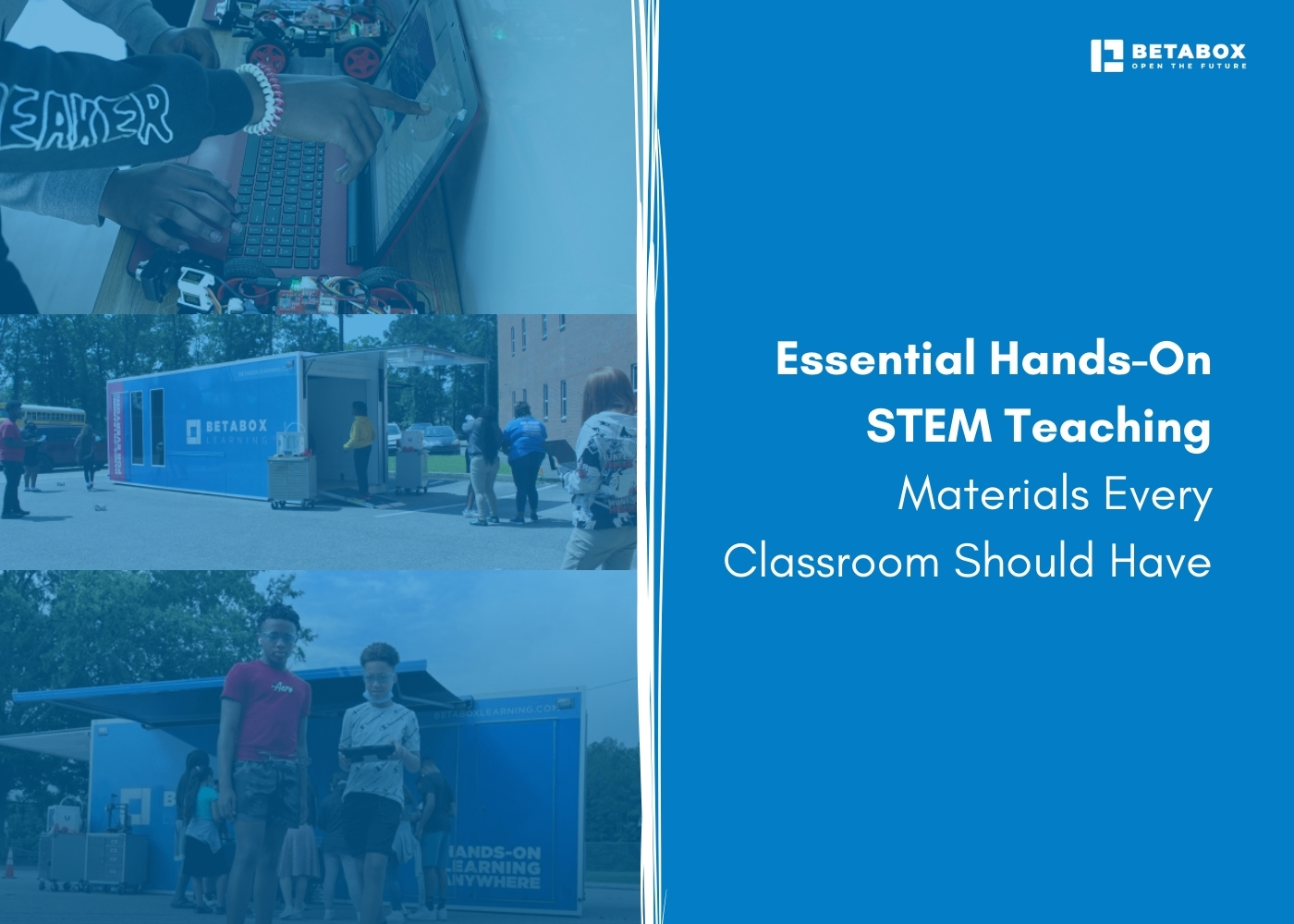
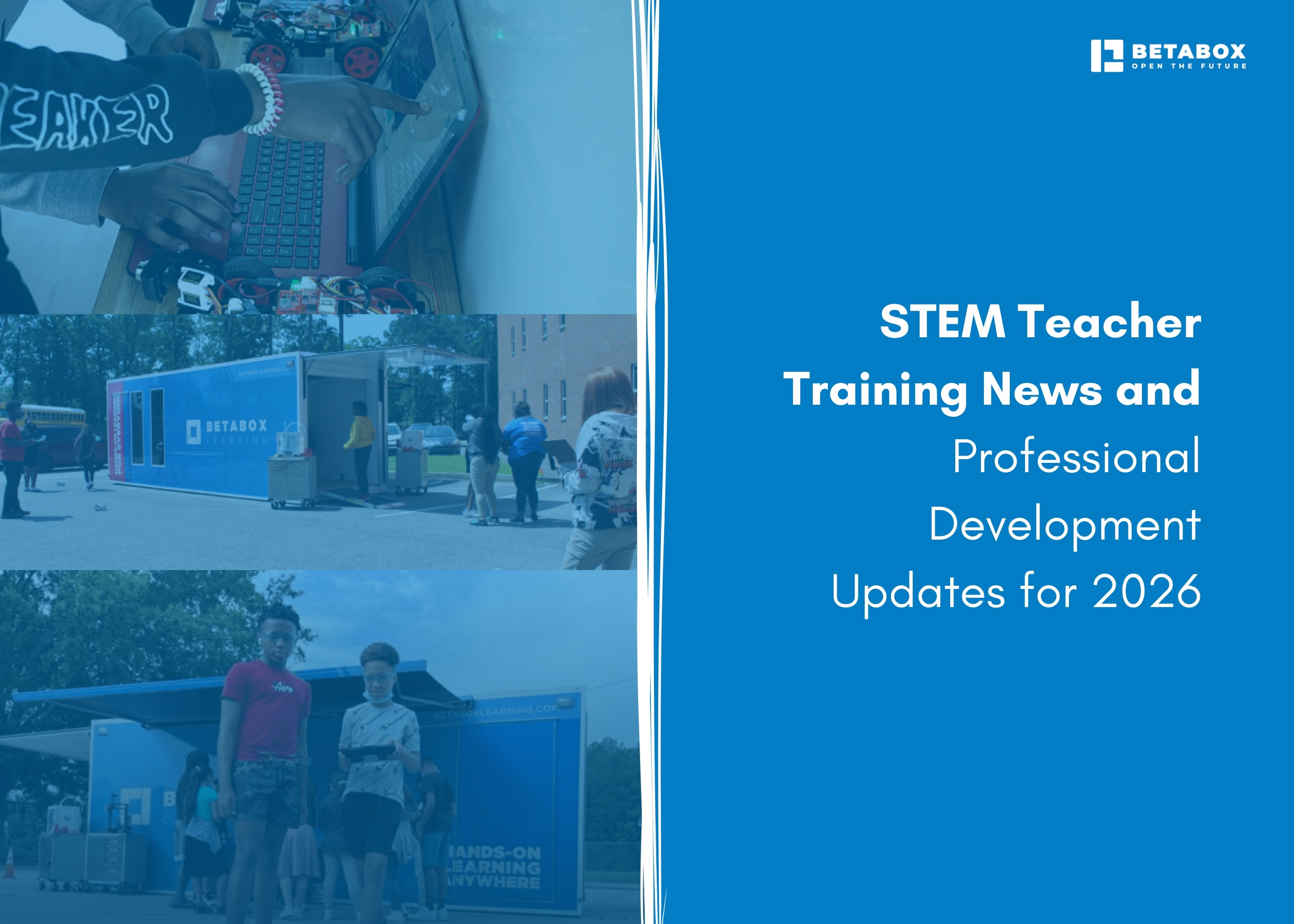
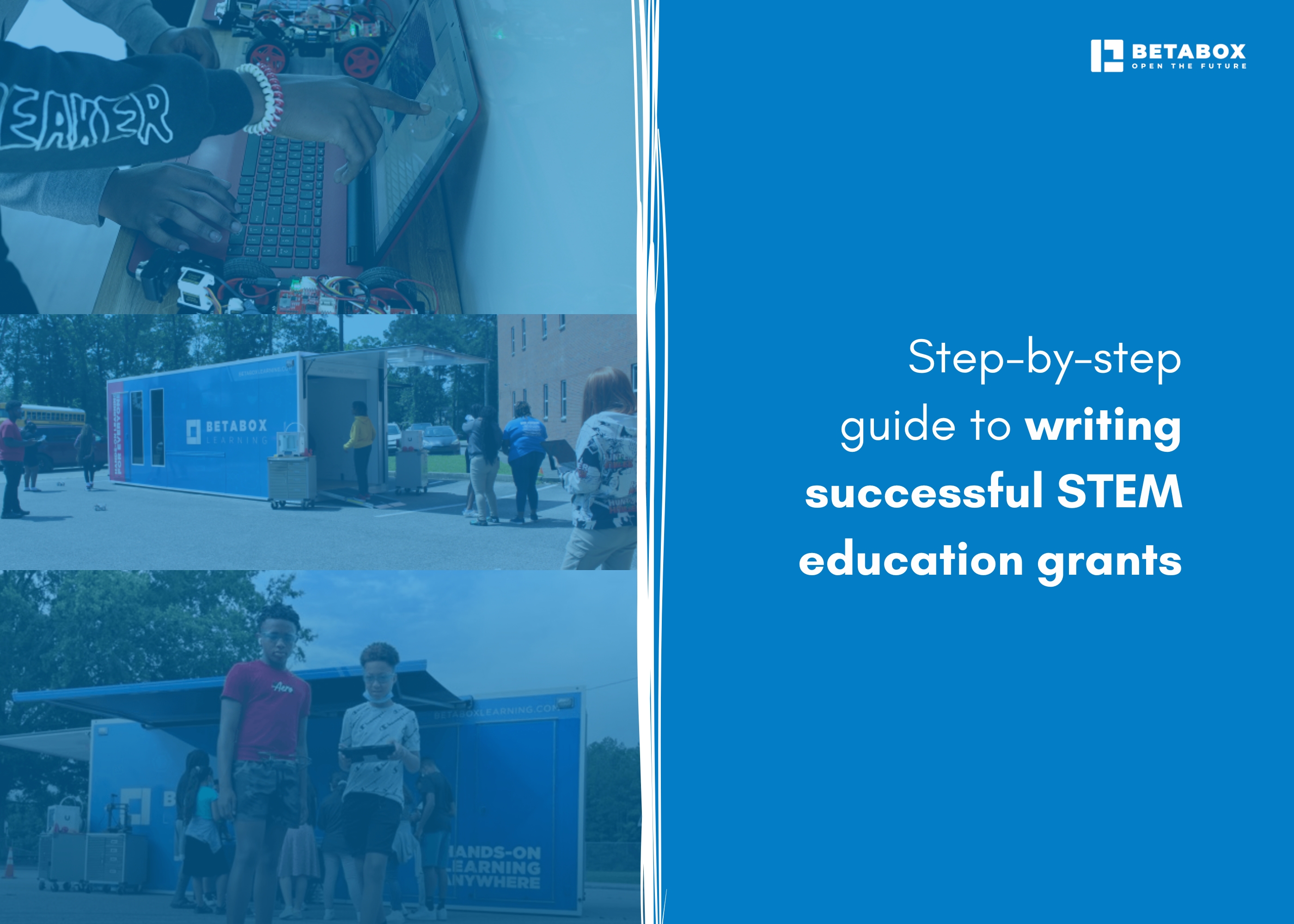
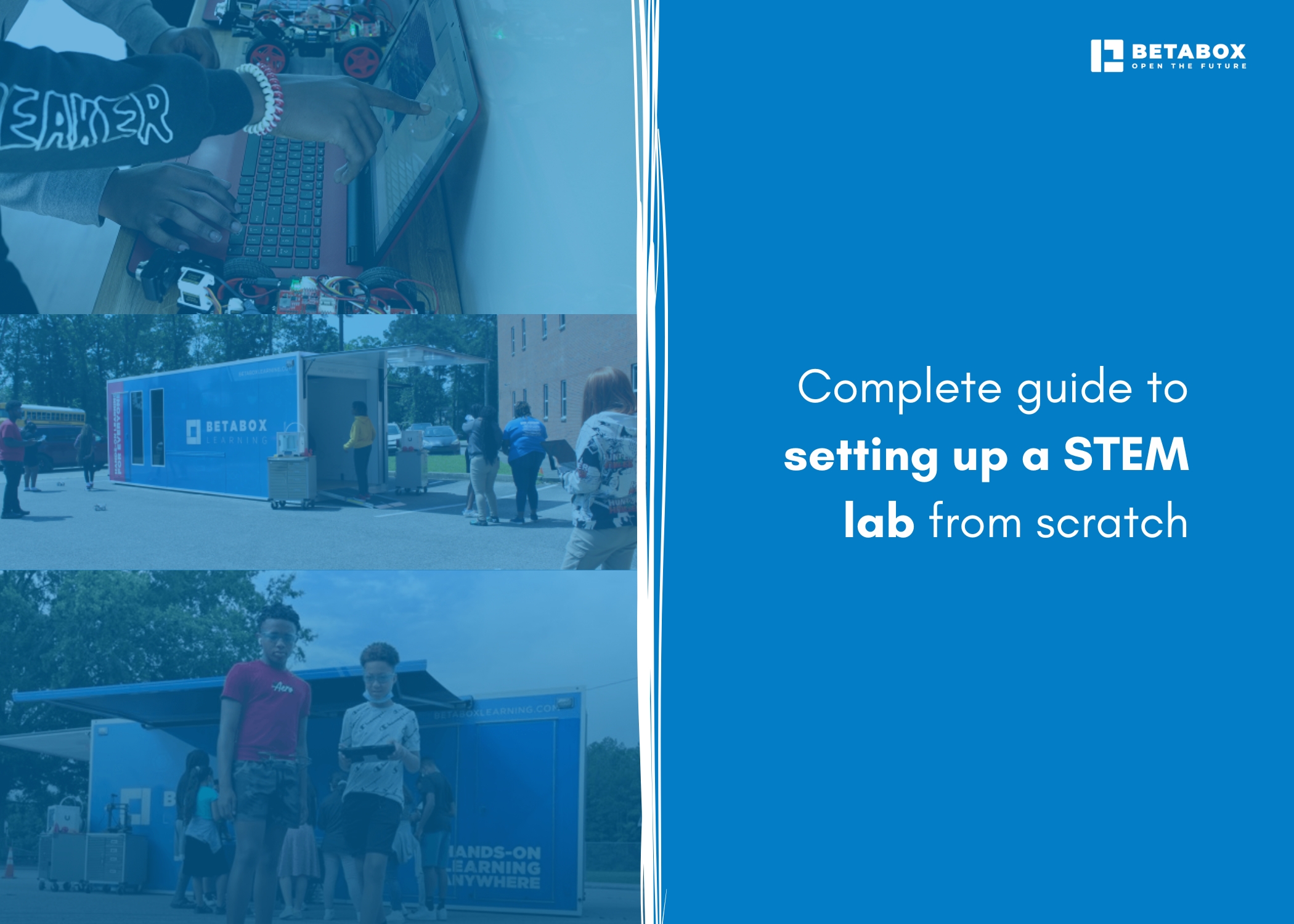
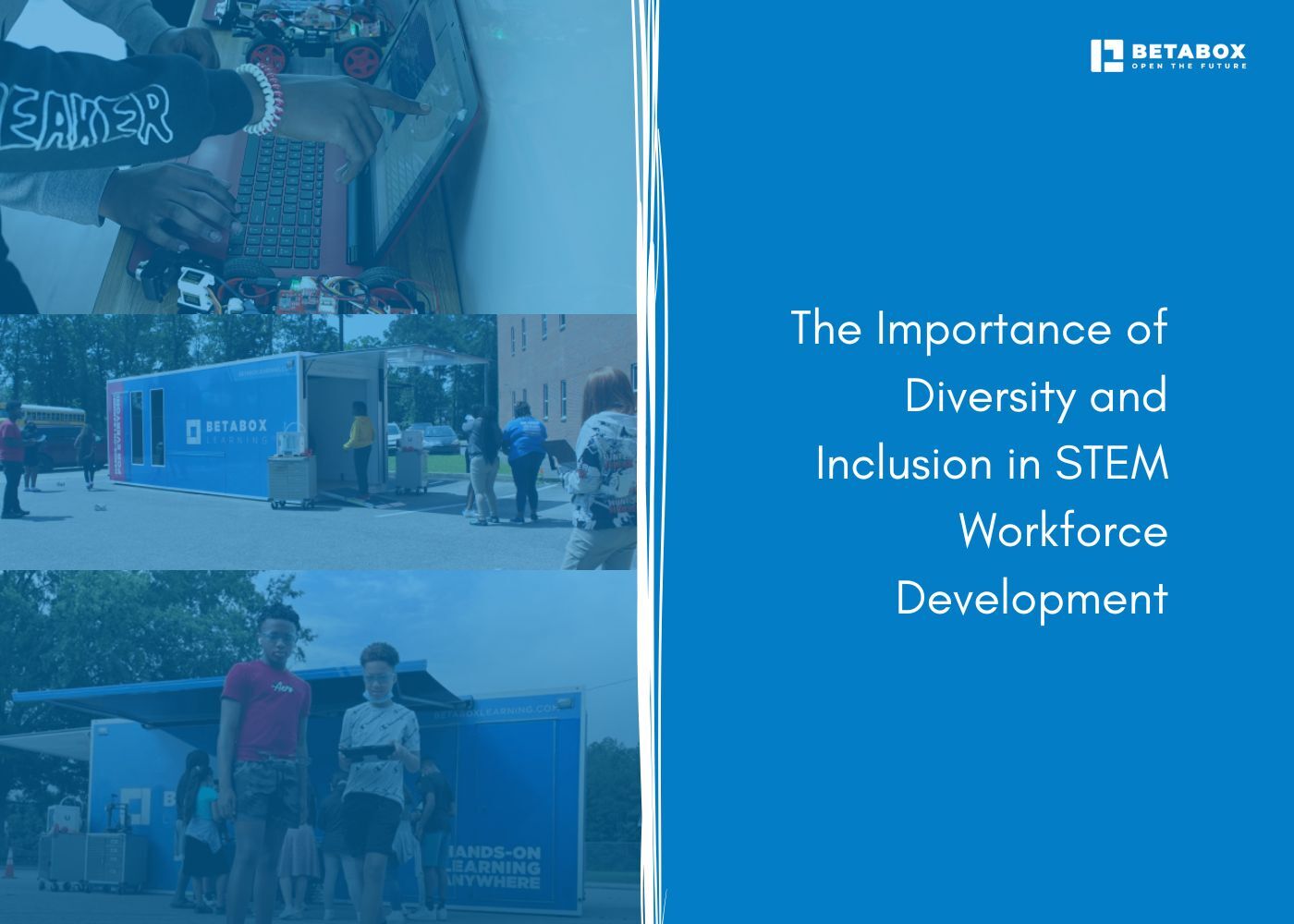
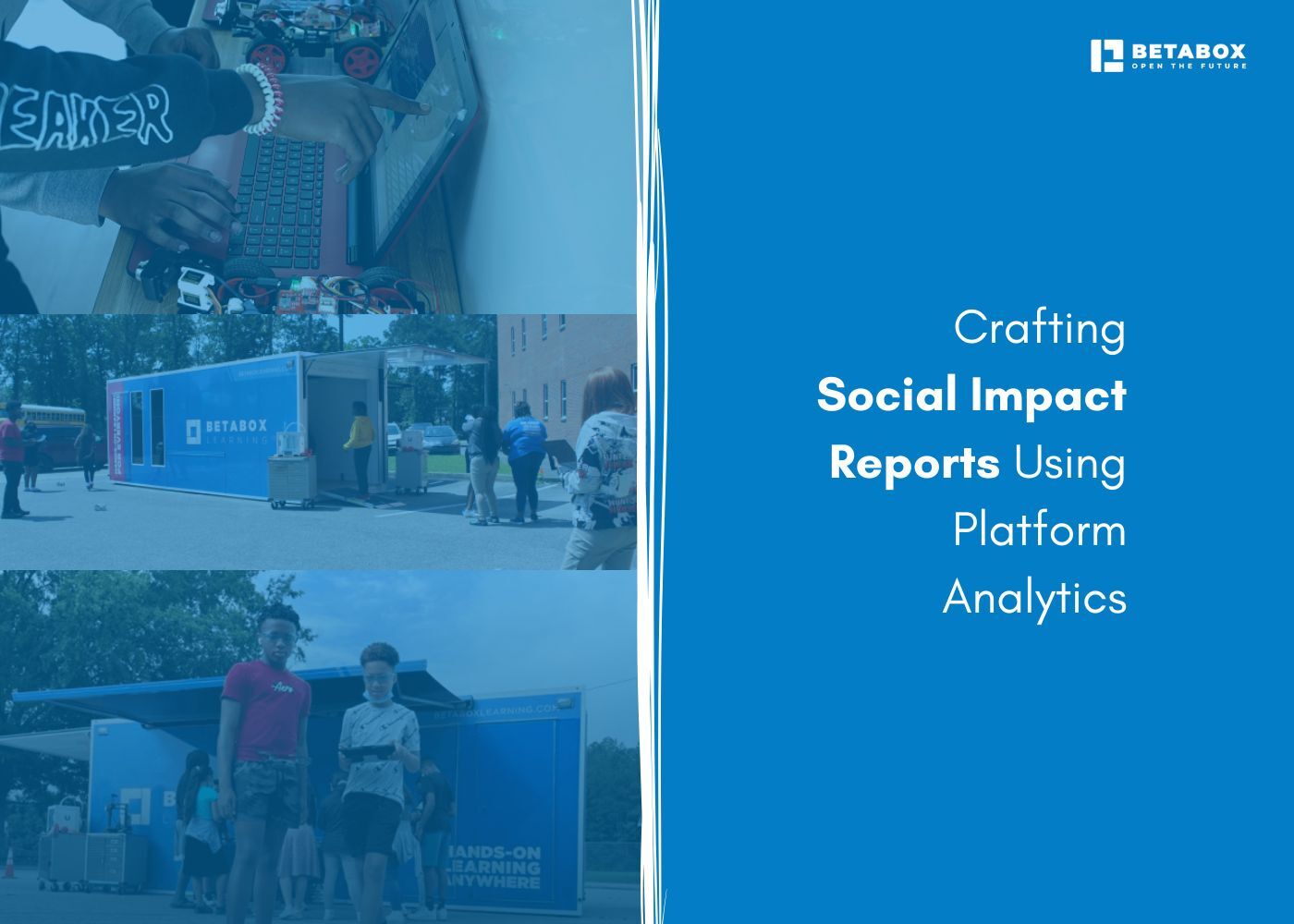
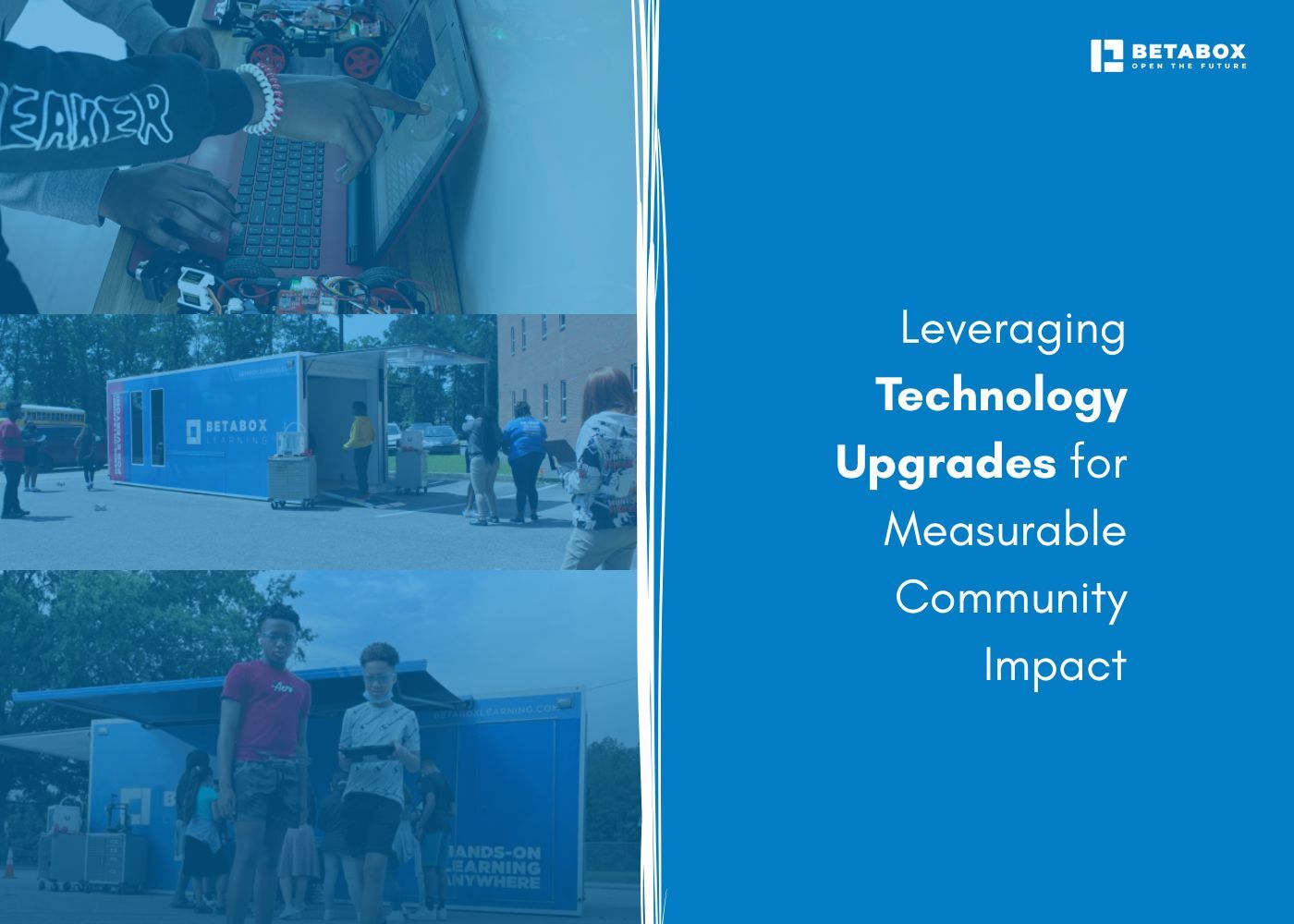
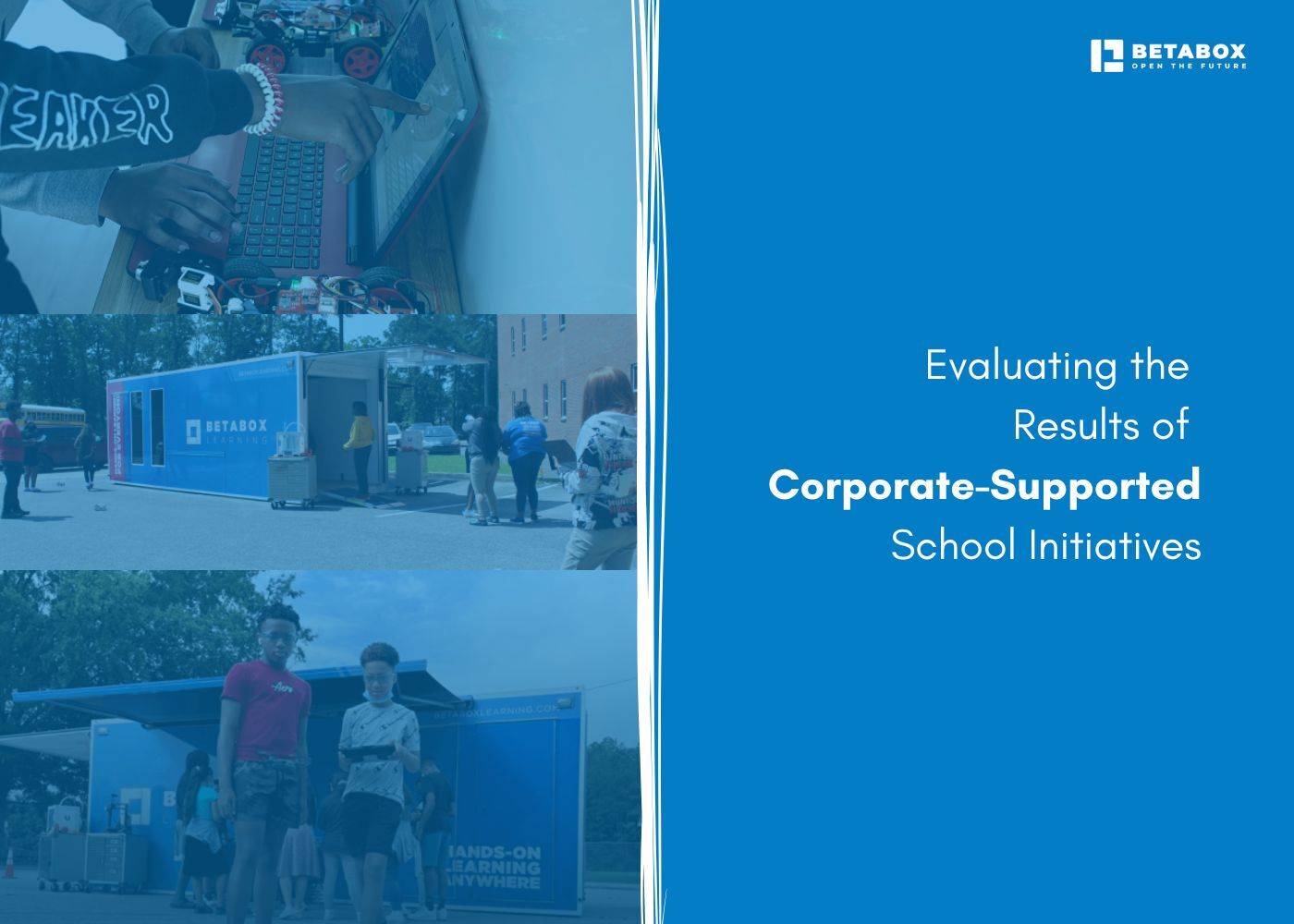
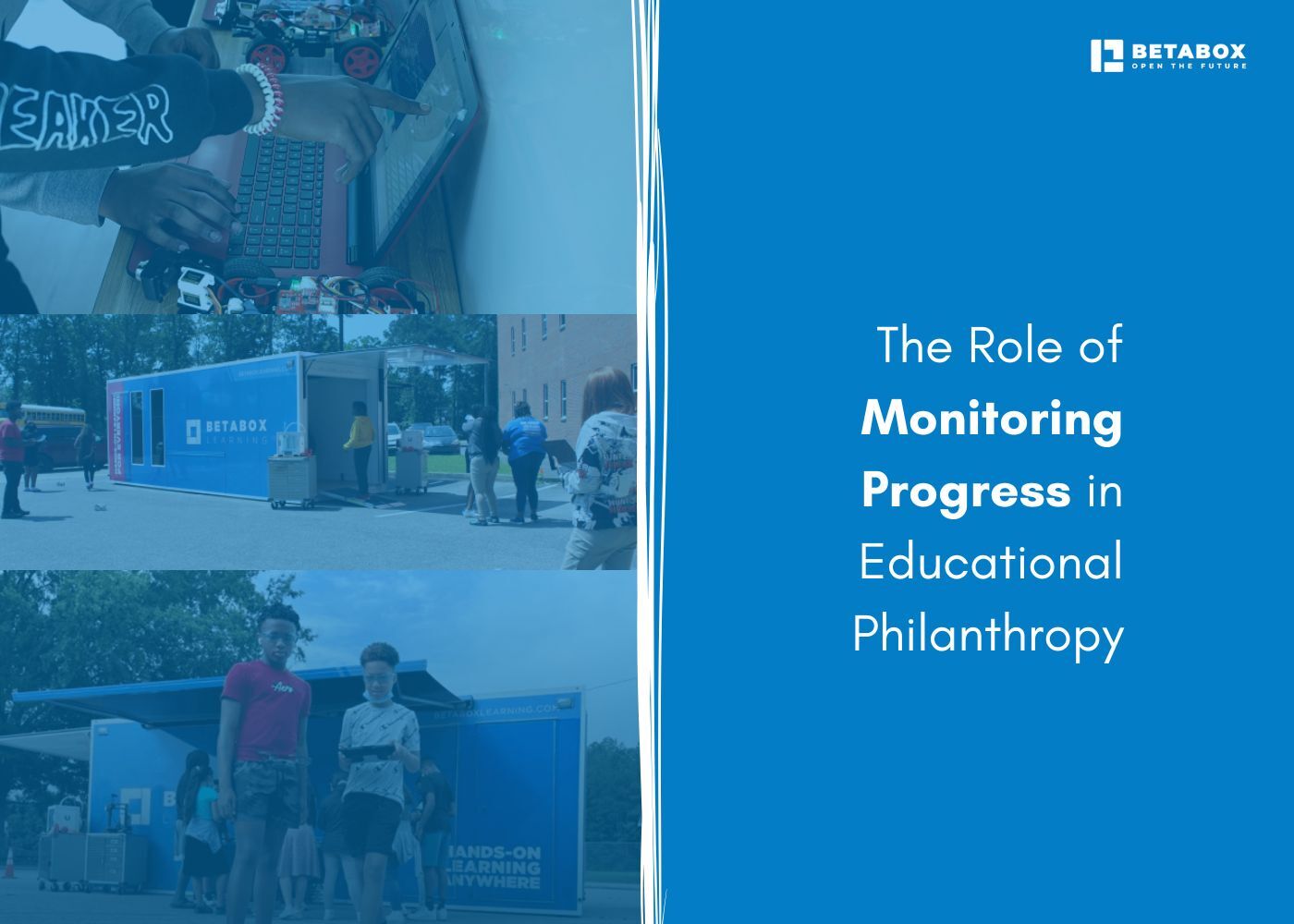
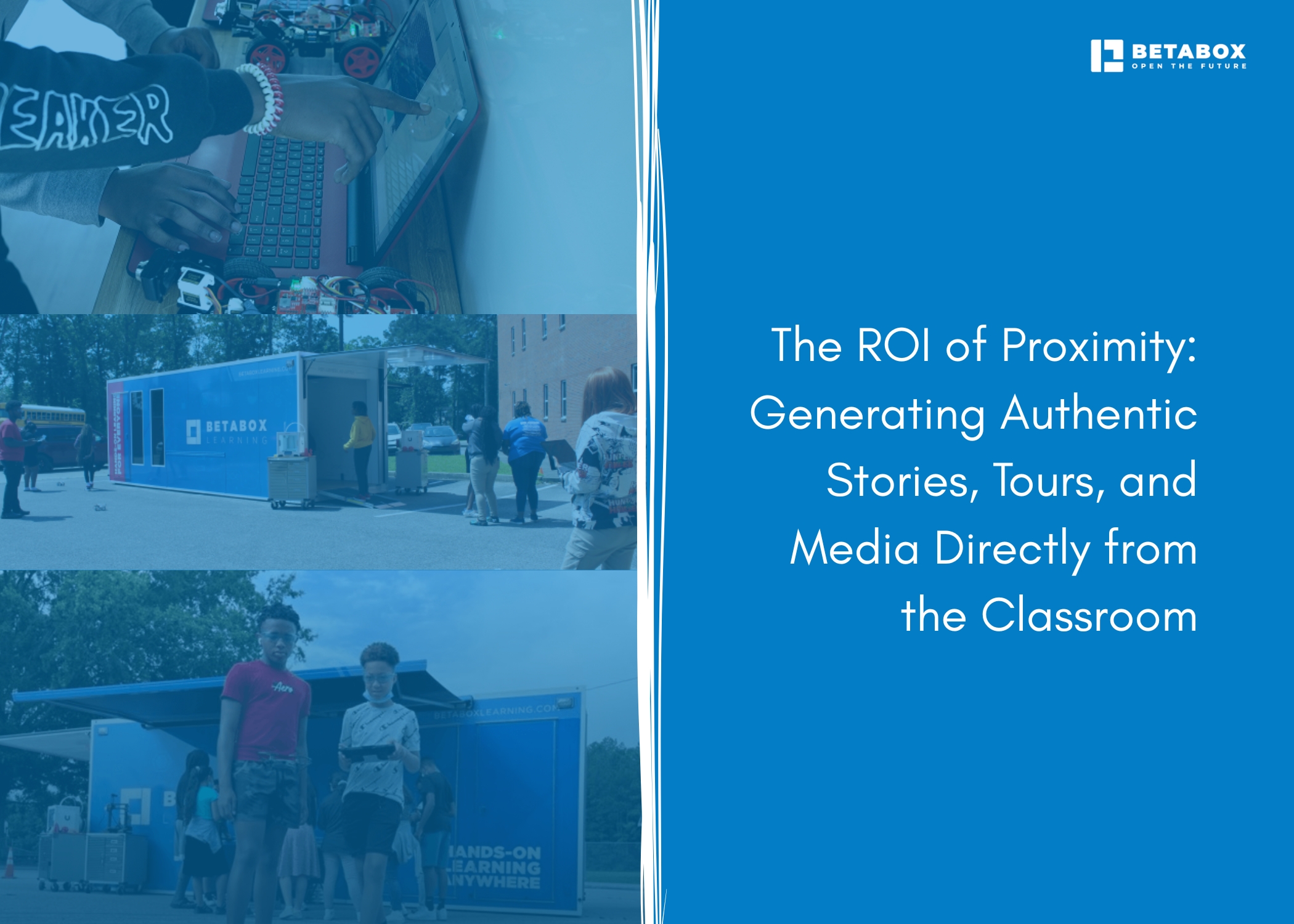
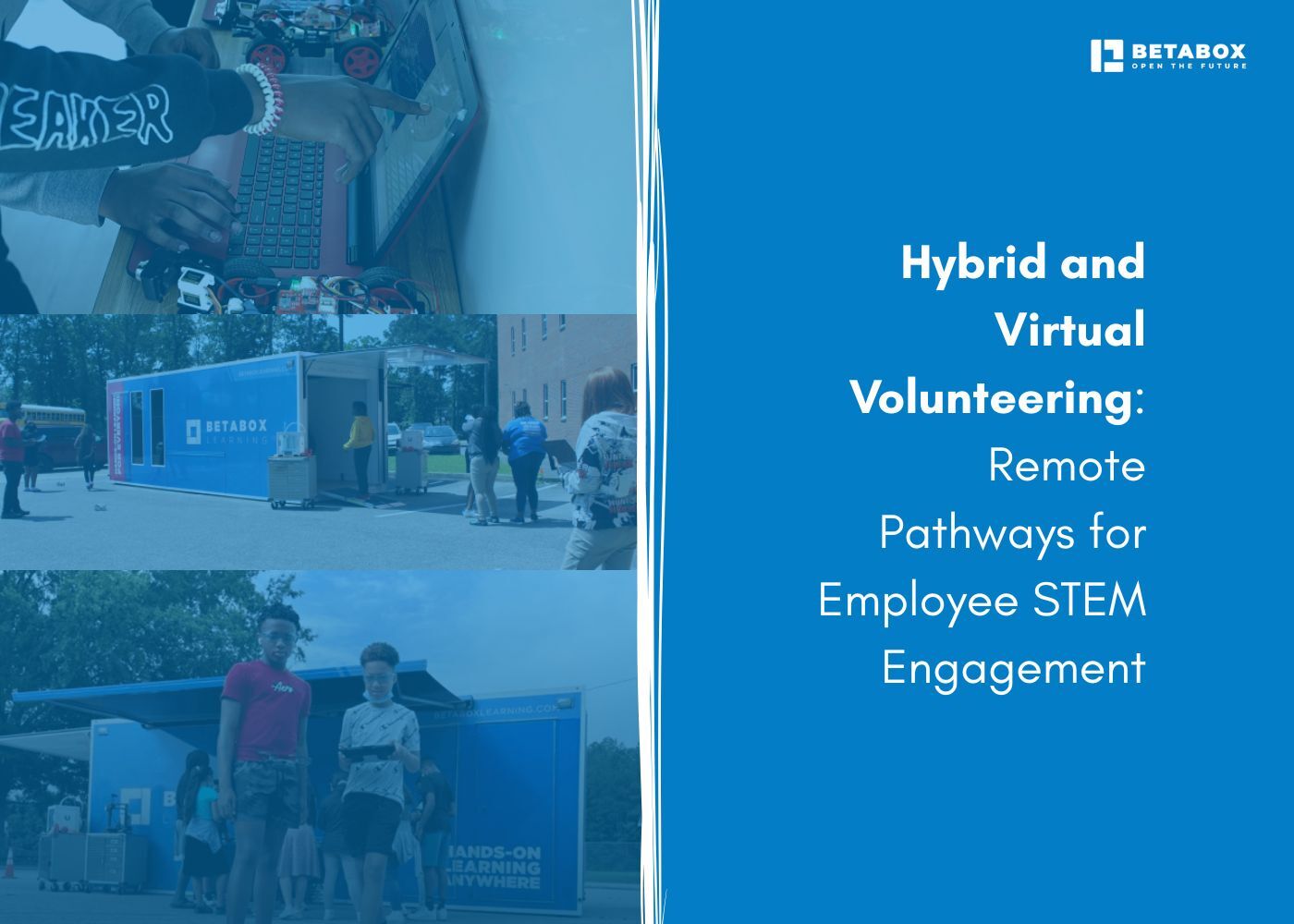
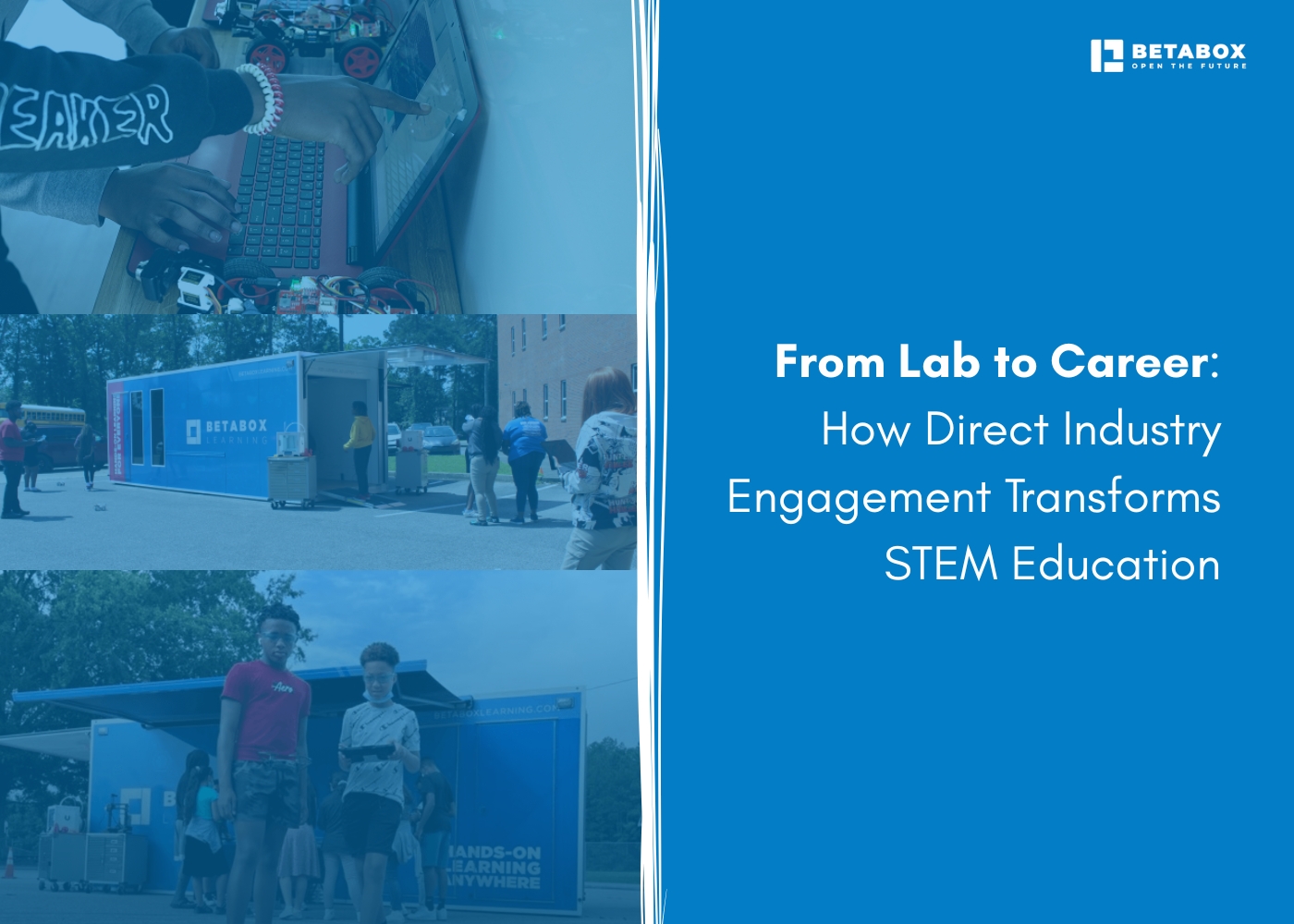
Betabox utilizes this principle by deploying onsite field trips that serve as both educational experiences and content engines. The mobile labs create a controlled, high-energy environment where hands-on classroom reporting becomes natural and minimally intrusive.
Authentic classroom media serves as a validation tool for educational methodology and resource allocation. Student driven media specifically validates that the learner is an active participant rather than a passive recipient of knowledge.
Audiences resonate with imperfect, genuine moments over polished corporate videos. A shaky camera phone video of a student successfully coding a robot often outperforms a high-budget commercial in terms of social engagement and trust. Authentic STEM storytelling focuses on the struggle and the solution. The narrative arc of a student facing a challenge and overcoming it is powerful.
Benefits of prioritizing authenticity include:
Educational partners like the National Science Teaching Association emphasize that connecting real-world experiences to communication strategies is vital for sustained support.
Real time classroom storytelling requires a toolkit that balances quality with speed. Classroom tour style media—continuous, unedited walkthroughs of a learning environment—provides an immersive experience for viewers.
Effective documentation relies on non-intrusive equipment. A teacher or facilitator should use mobile devices to capture "micro-moments" without disrupting the lesson flow.
Platforms like Edutopia often highlight that the best documentation comes from the educators and students themselves, not external crews.
The impact of Betabox in classrooms illustrates how proximity drives content strategy. Student driven media created during these sessions often highlights the immediate boost in STEM interest.
High-impact examples include:
Betabox data shows a 25% instant boost in STEM interest and a 50% retention of content knowledge after just one hour. Authentic STEM storytelling captures the qualitative evidence behind these quantitative statistics. A video of a student explaining a concept validates the 50% retention statistic in a way a chart cannot.
Betabox projects enable this by creating physical artifacts that students are proud to display. Visit Betabox Projects to see examples of the curricula that generate these stories.
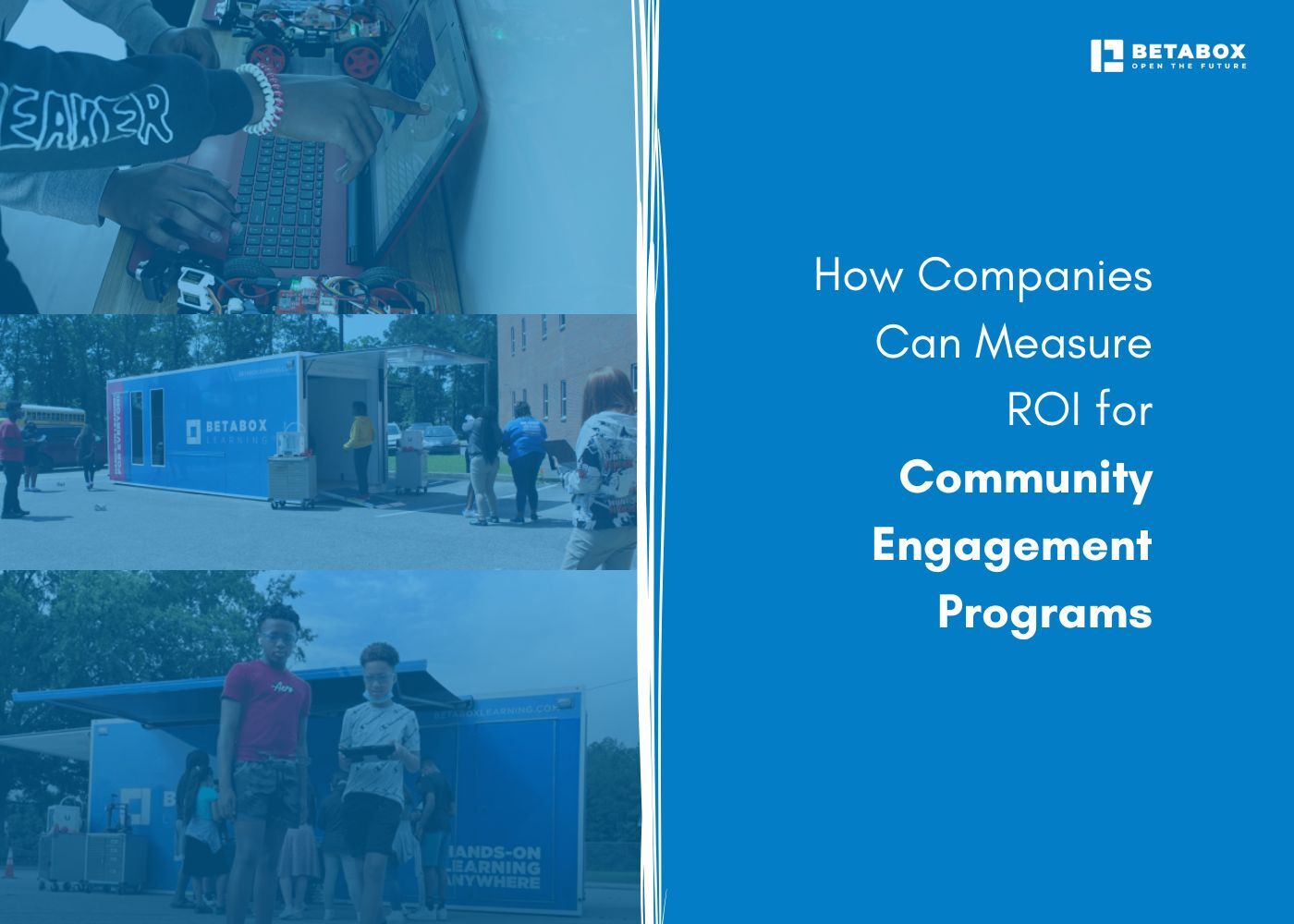
Measuring the success of classroom generated content requires analyzing both digital engagement and offline program growth. Return on investment in classroom storytelling is calculated by comparing the cost of content production against the value of the engagement and funding secured.
Proximity centered education content generally yields higher engagement per dollar spent.
Schools aiming to maximize return on investment in classroom storytelling must establish clear guidelines. Hands on classroom reporting thrives when parameters are set, but creativity is unrestricted.
Best Practices Checklist:
Educators interested in bringing these experiences to their students can start the process at Betabox Onboarding. The Betabox Blog also provides further insights on integrating media with STEM curriculum.
The impact of Betabox in classrooms is amplified when stories are told from the inside out. Proximity centered education ensures that the narrative remains true to the student experience, providing a high ROI for all stakeholders involved.
What is the ROI of proximity in education?
The ROI of proximity is the value derived from being physically present to capture high-fidelity, authentic educational moments. Return on investment in classroom storytelling includes increased stakeholder engagement, higher trust from parents, and more effective fundraising data.
How can classrooms create authentic stories and media?
Classrooms create authentic classroom media by using non-intrusive mobile tools to document learning as it happens. Hands-on classroom reporting involves interviewing students during the activity rather than staging interviews afterward.
Why is student-driven media valuable for schools?
Student driven media is valuable because it provides social proof from the primary beneficiaries of the education system. Content created by students often carries more emotional weight and credibility than content created by administrators.
What are examples of real-time classroom storytelling?
Examples of real time classroom storytelling include live-tweeting a science experiment, posting a raw video of a "spark" moment, or sharing classroom tour style media on social platforms immediately after a lesson.
How does proximity impact engagement in STEM education?
Proximity allows educators to identify and amplify specific areas of interest immediately. Proximity centered education ensures that authentic STEM storytelling aligns with the actual excitement levels of the students, validating their efforts and encouraging further exploration.


Ready to learn how Betabox resources can be implemented at your school or District?
Book a Blueprint Call

.jpg)

.jpg)
.jpg)
.jpg)






.jpg)

At Betabox Learning, we are passionate about making hands-on STEM curricula accessible to all students.






.jpg)