Every educator has experienced it: the buzz of excitement as students board the bus, the energy during the visit, and then the challenge of connecting that enthusiasm back to classroom learning. Field trips can be transformative learning experiences or simply entertaining breaks from routine. Understanding the difference helps you choose experiences that genuinely serve your students.
Well-designed field trips create measurable learning outcomes. Research consistently shows that students who attend science-based field trips demonstrate improved understanding and stronger engagement with concepts. More importantly, many adults credit educational field trips as pivotal moments that shaped their career paths.
Not all field trips deliver equal results. The key difference between educational and merely entertaining experiences comes down to structure, alignment, and active engagement.
Educational field trips share specific characteristics that transform sightseeing into learning:
Clear learning objectives tie experiences to curriculum standards. You identify which concepts will be explored and how the experience connects to ongoing coursework before students ever leave campus.
Hands-on engagement moves students beyond passive observation. Adults consistently report that interactive educational experiences had positive, lasting impacts on their education and careers. Students need to touch, build, experiment, and problem-solve, not just watch demonstrations.
Pre-trip preparation begins in the classroom days or weeks before departure. Students receive background knowledge, preview key concepts, and develop questions to investigate. Preparation transforms novel experiences into meaningful extensions of existing learning.
Post-trip reflection includes structured debriefing where students process observations, connect experiences to classroom concepts, and extend learning through projects or discussions. Without reflection, even powerful experiences fade quickly.
STEM learning requires particular attention to the educational versus fun balance. While engagement and excitement matter enormously, especially for underserved students who may not see themselves in STEM careers, the experience must go deeper than surface-level entertainment.
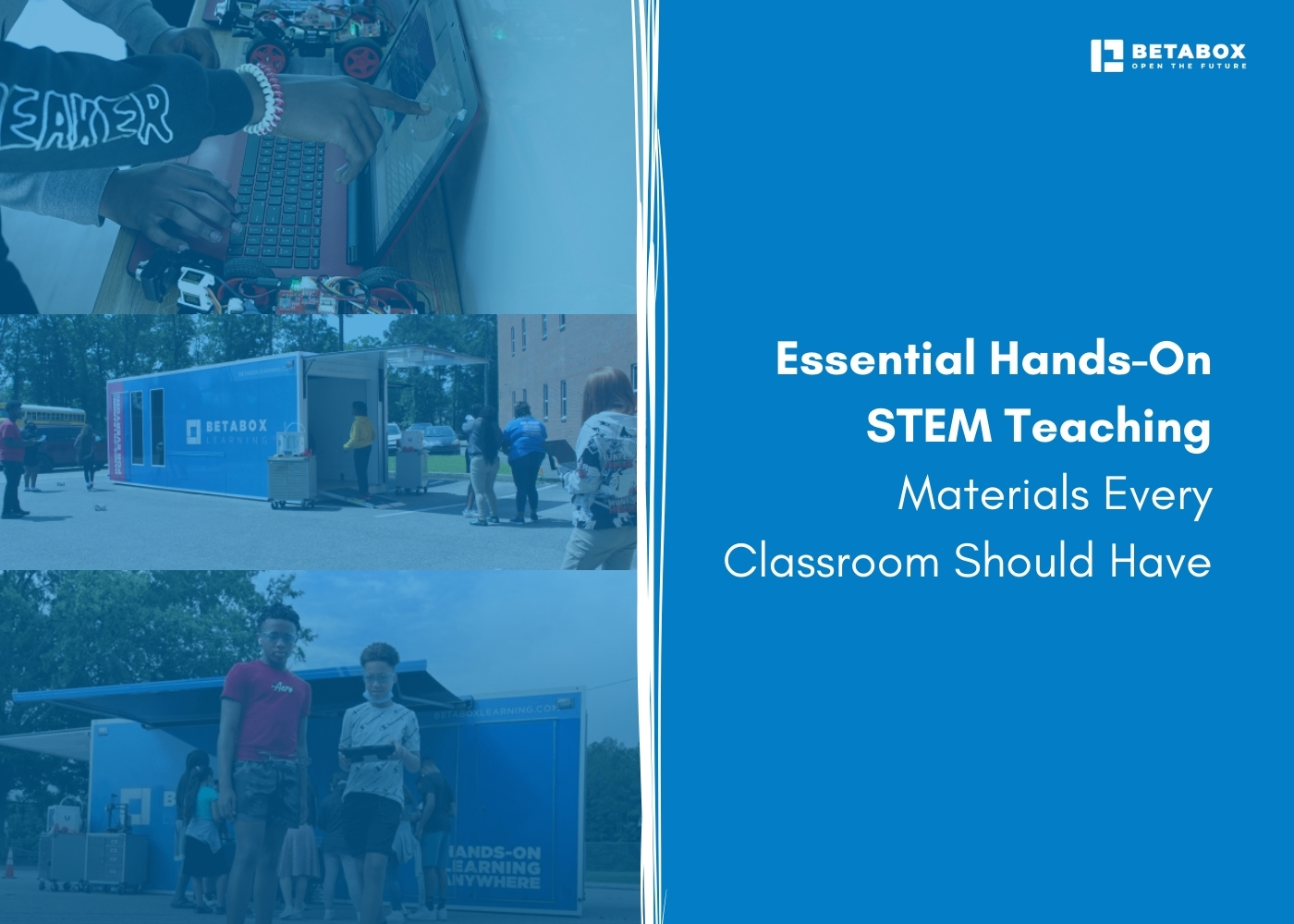
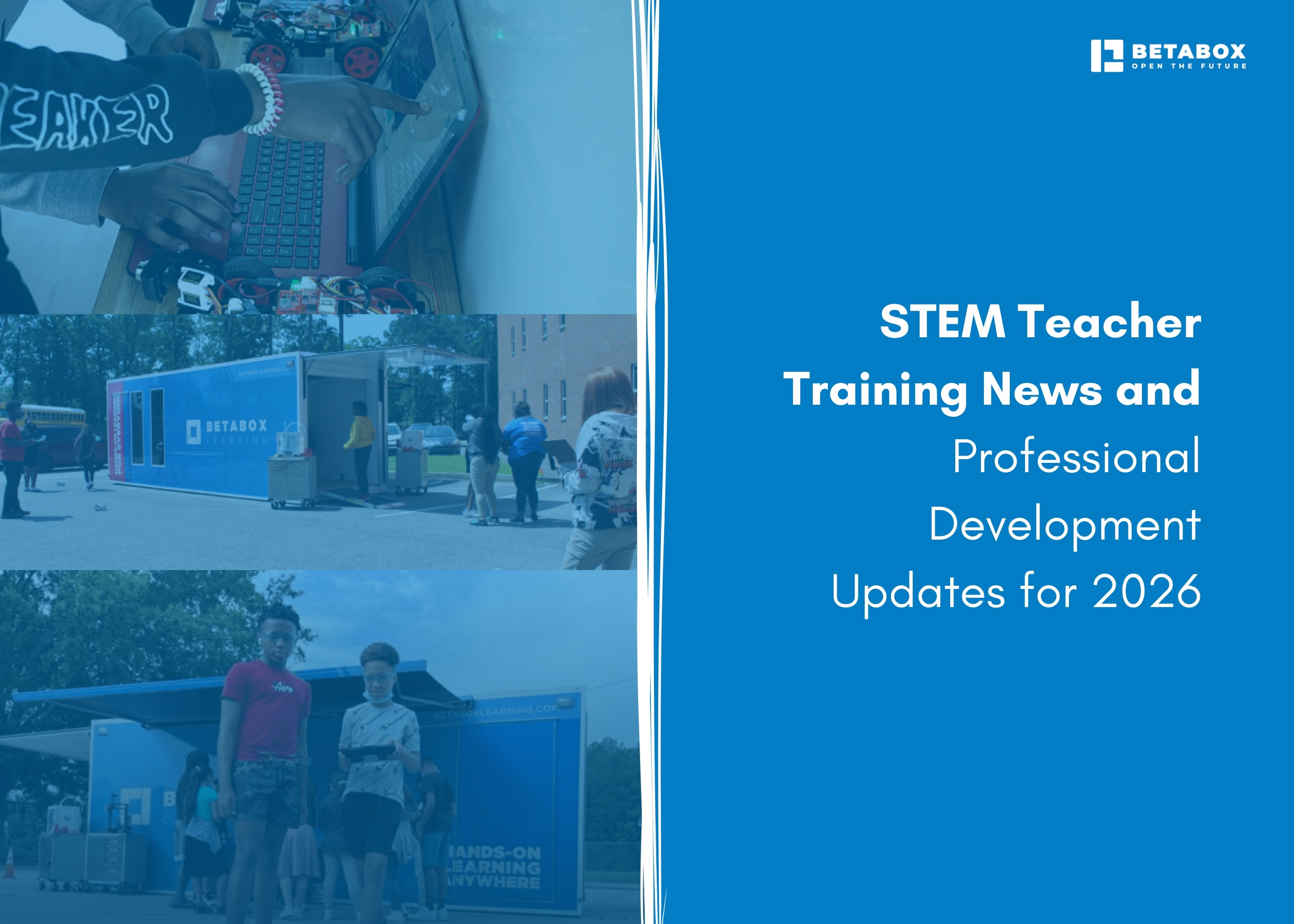
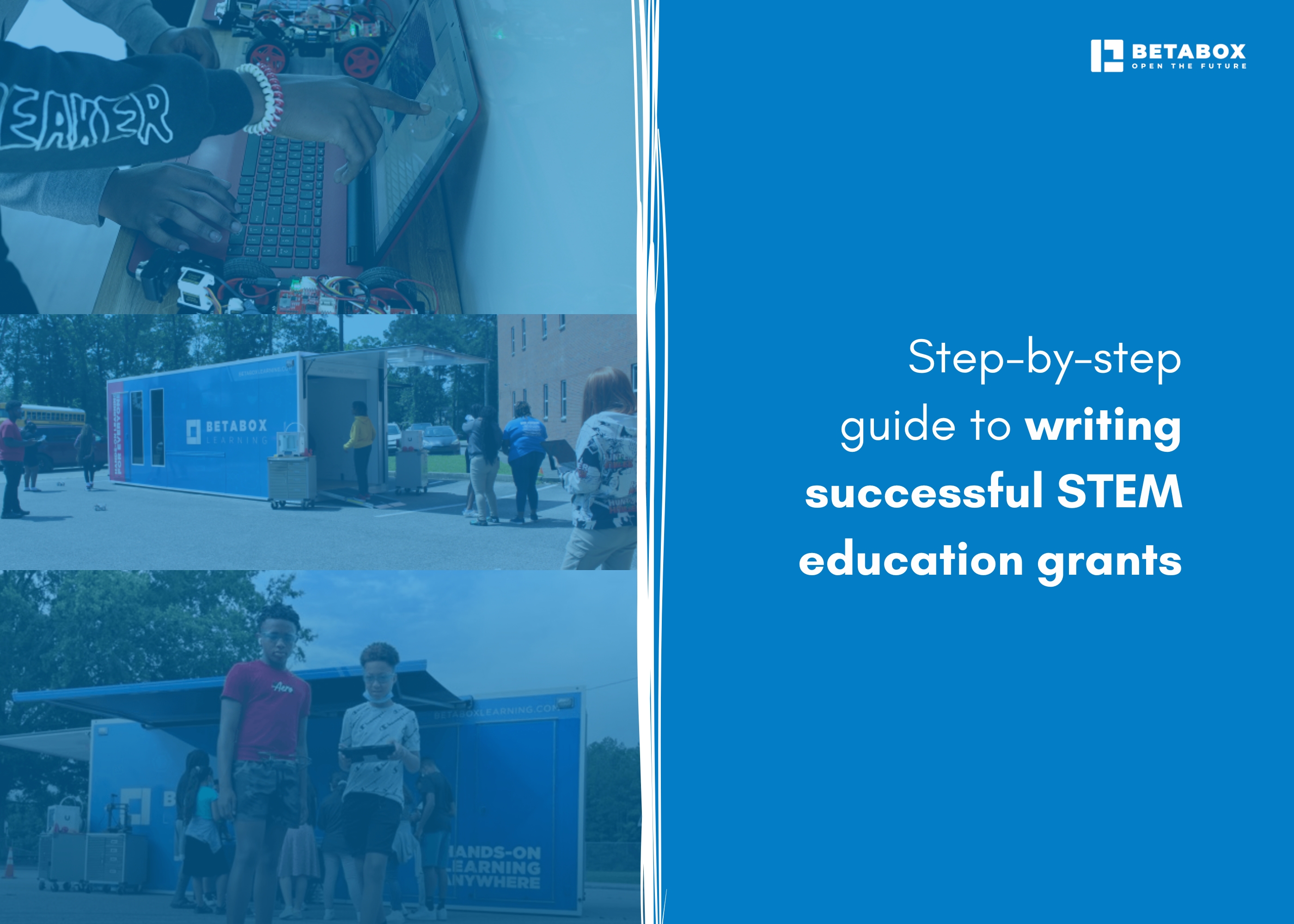
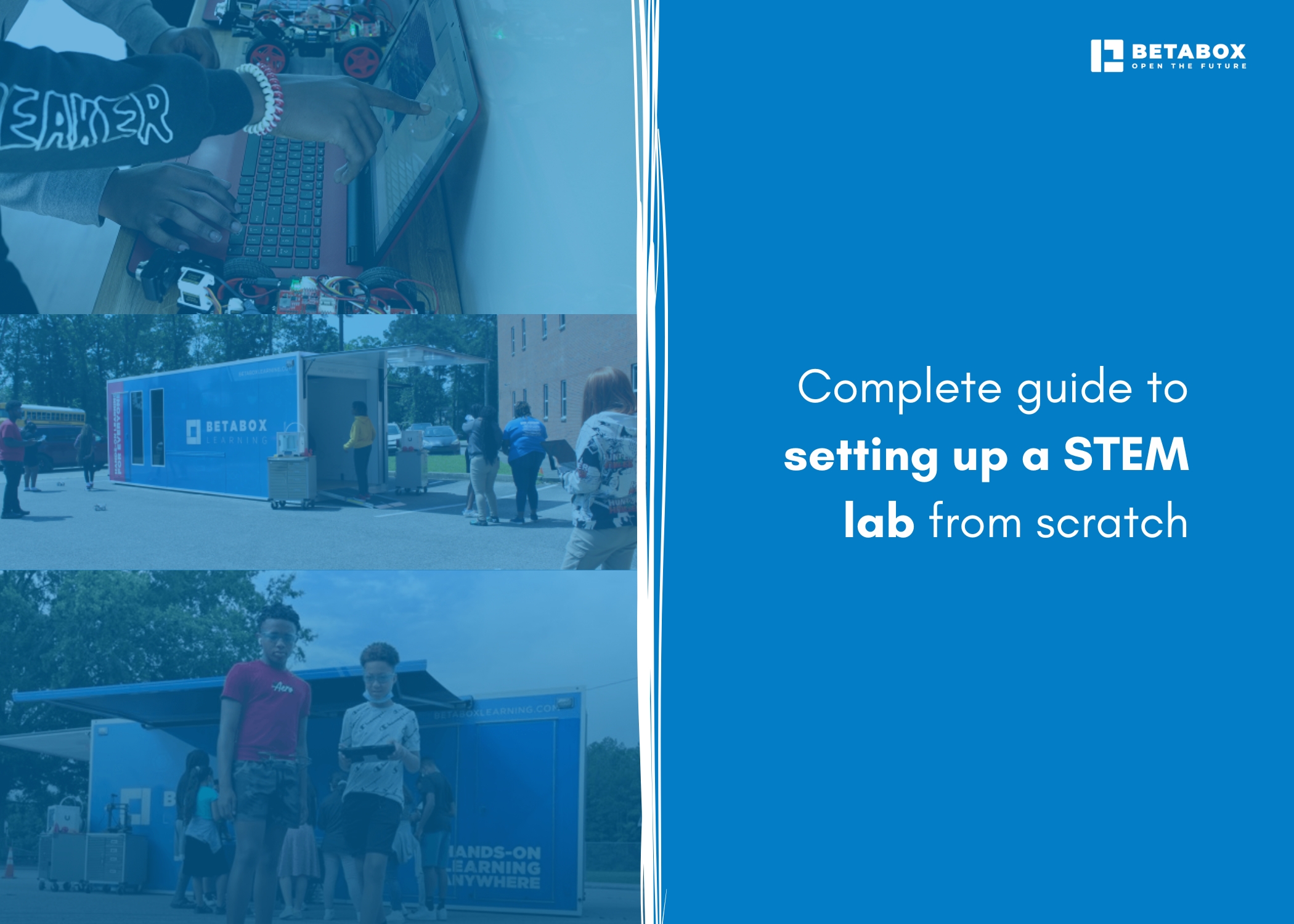
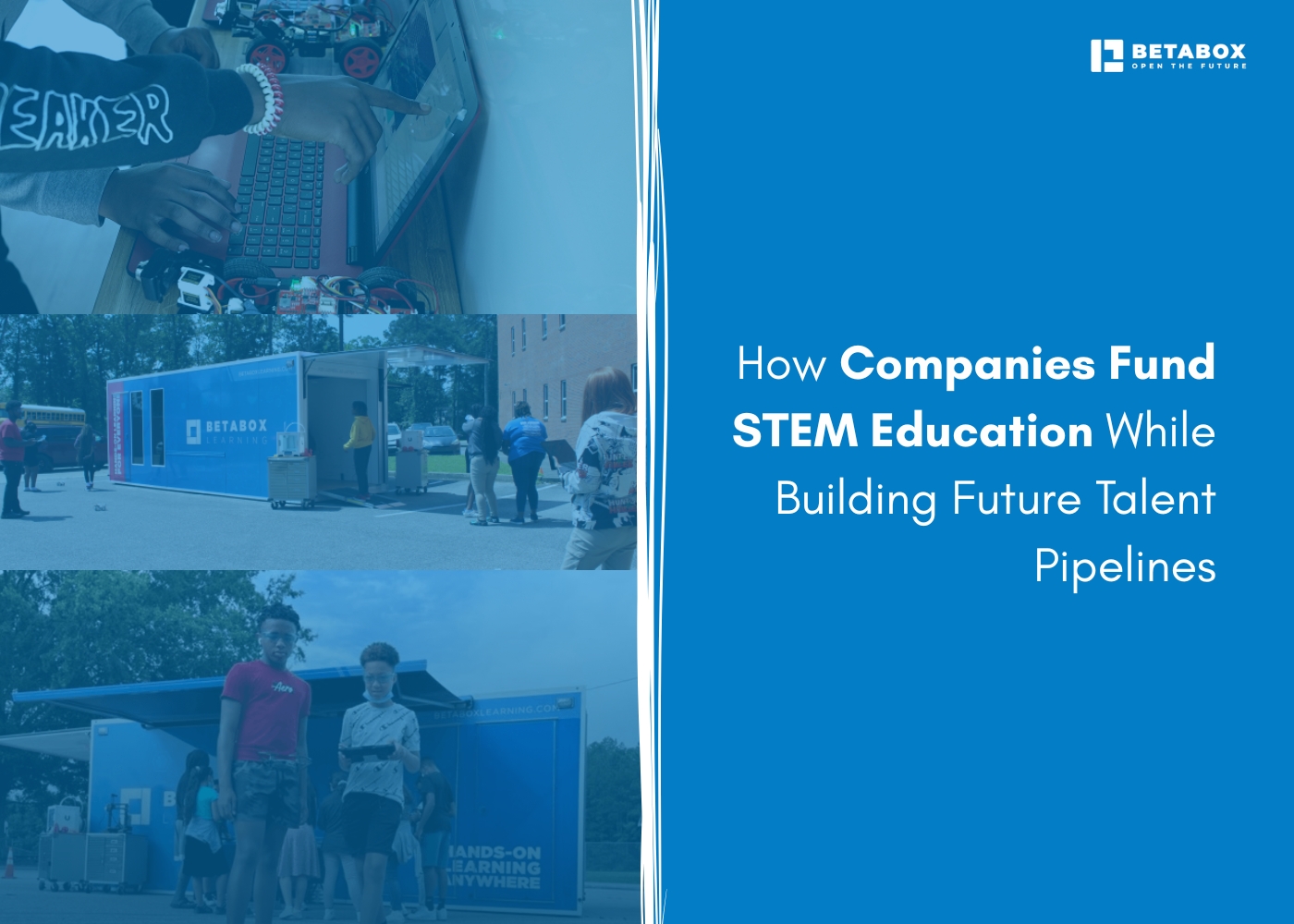
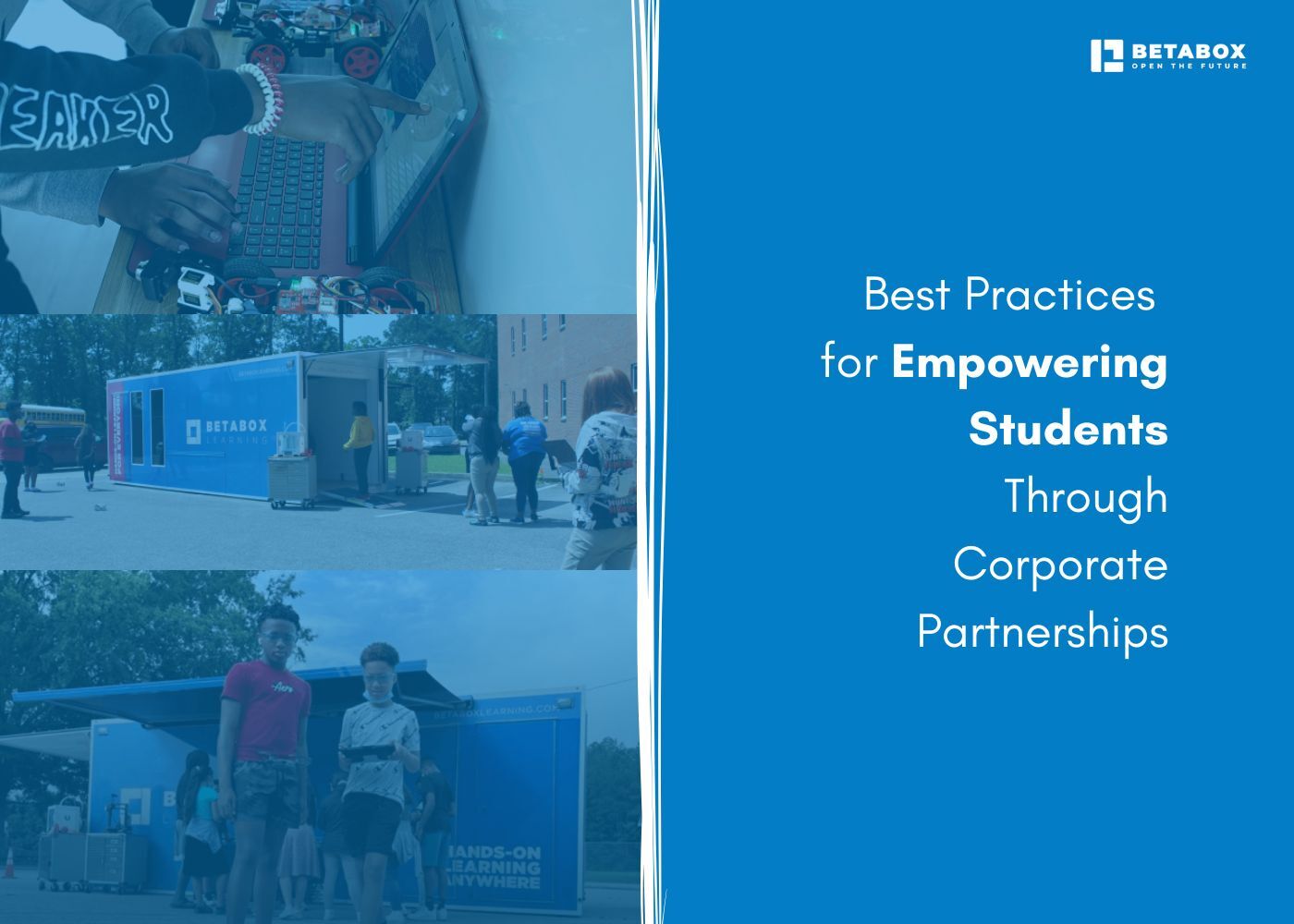
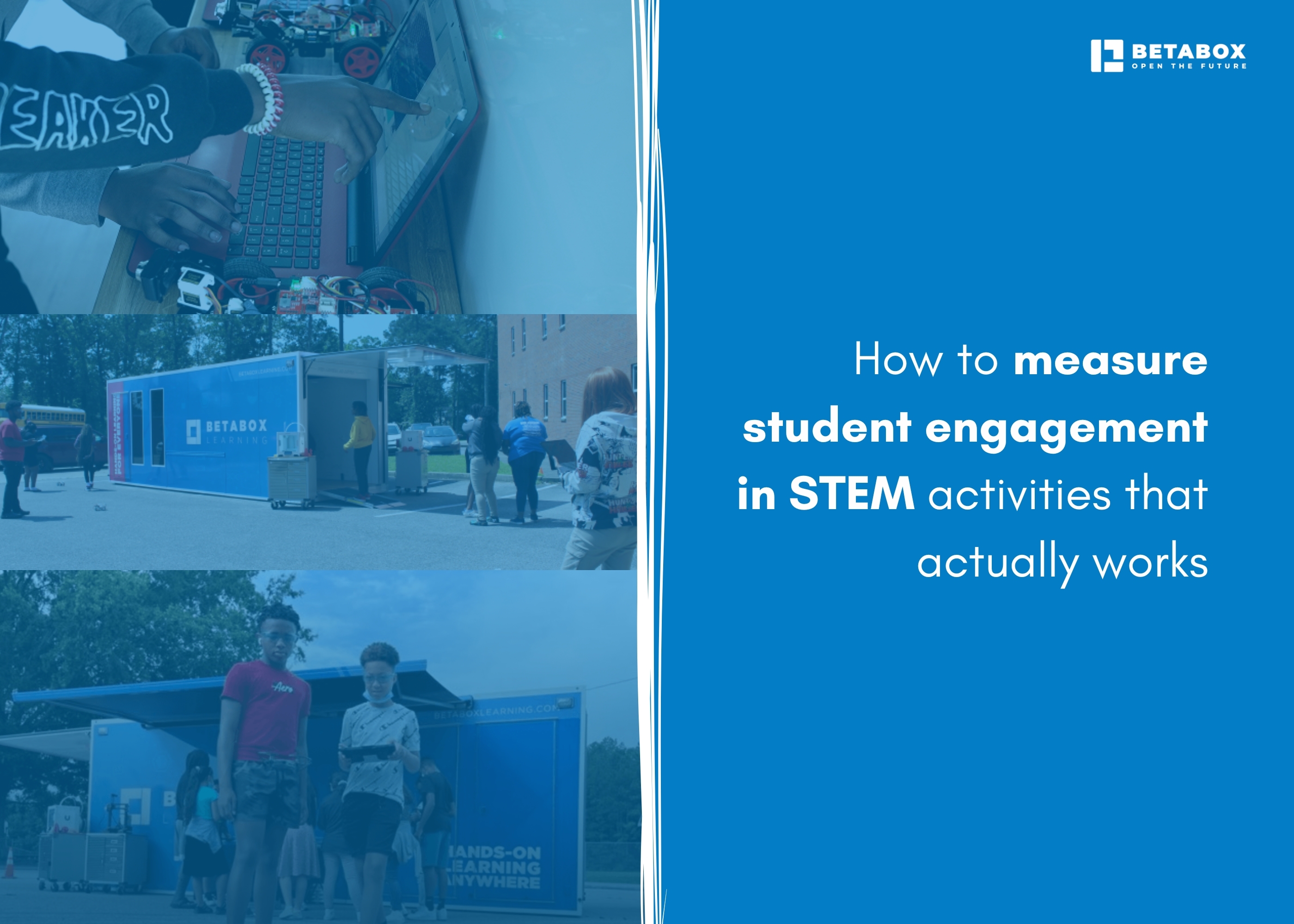
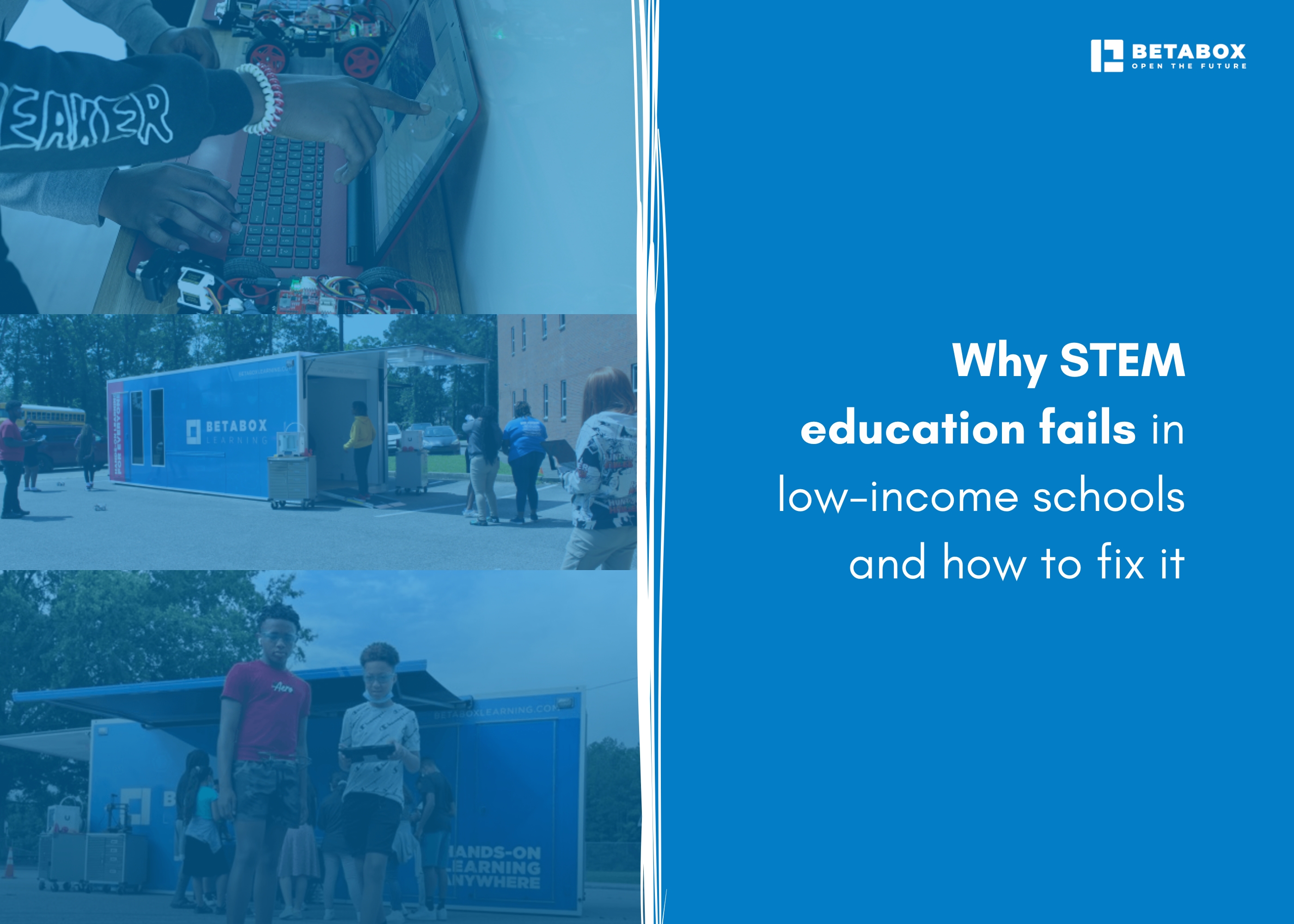
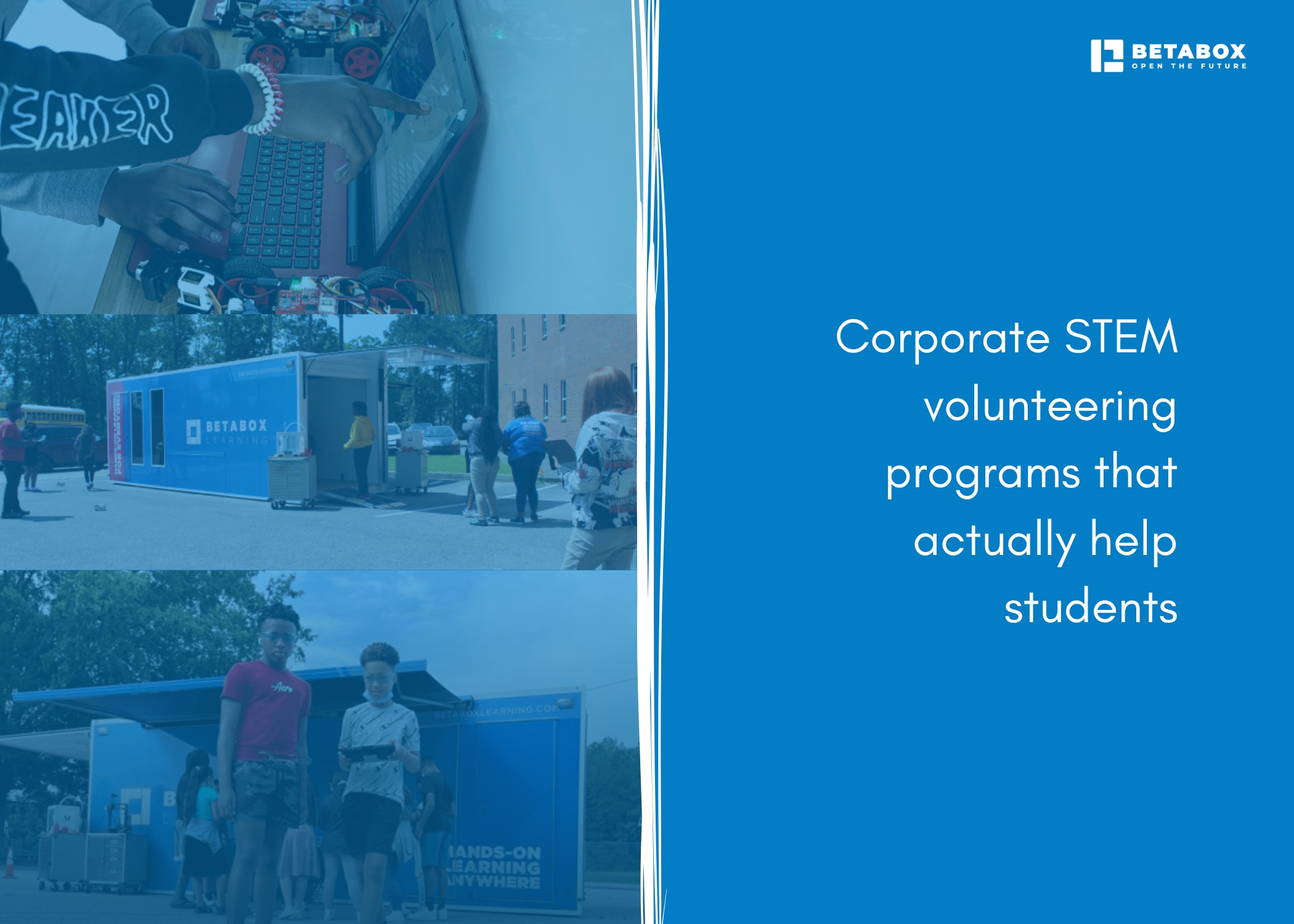
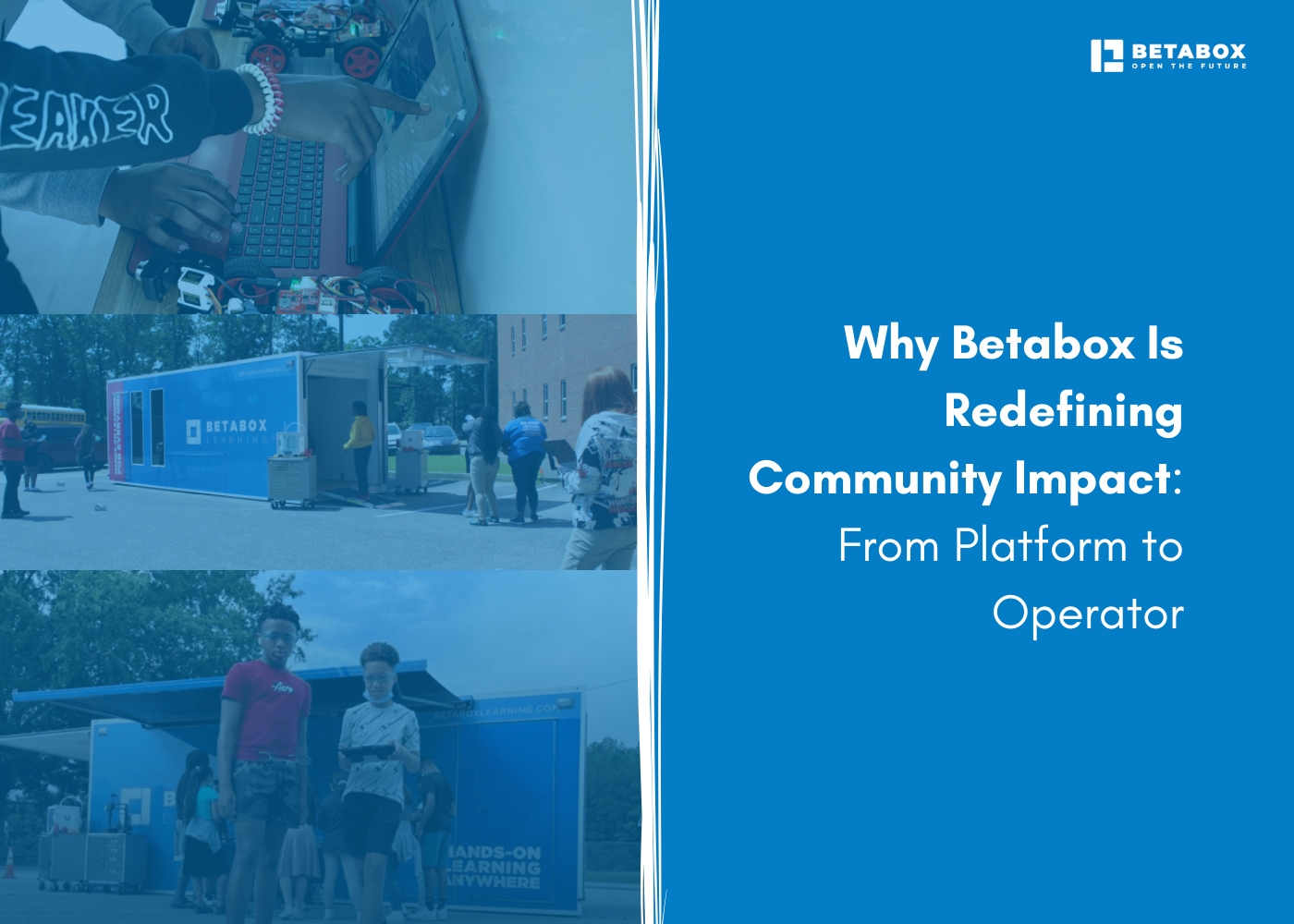
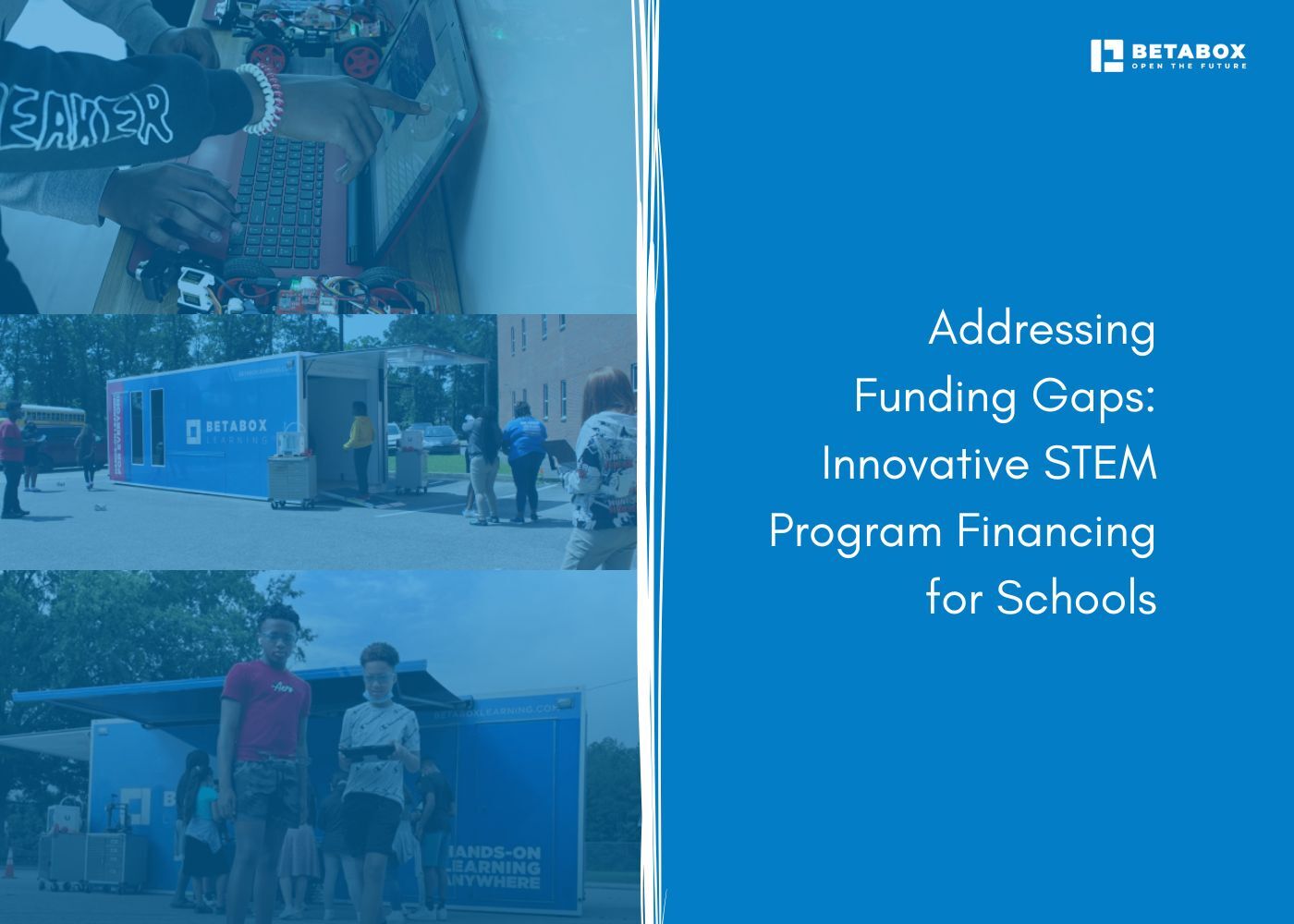
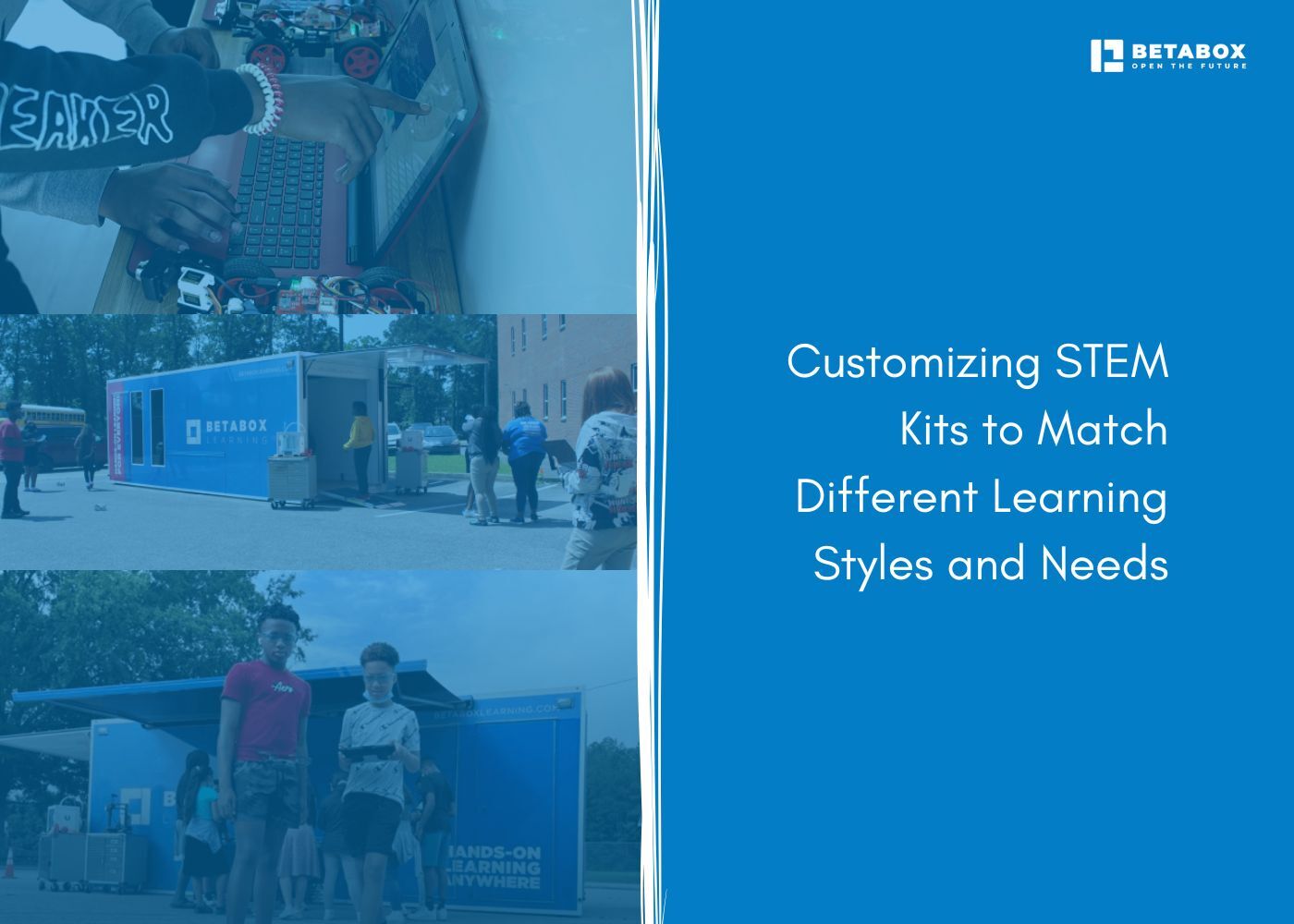
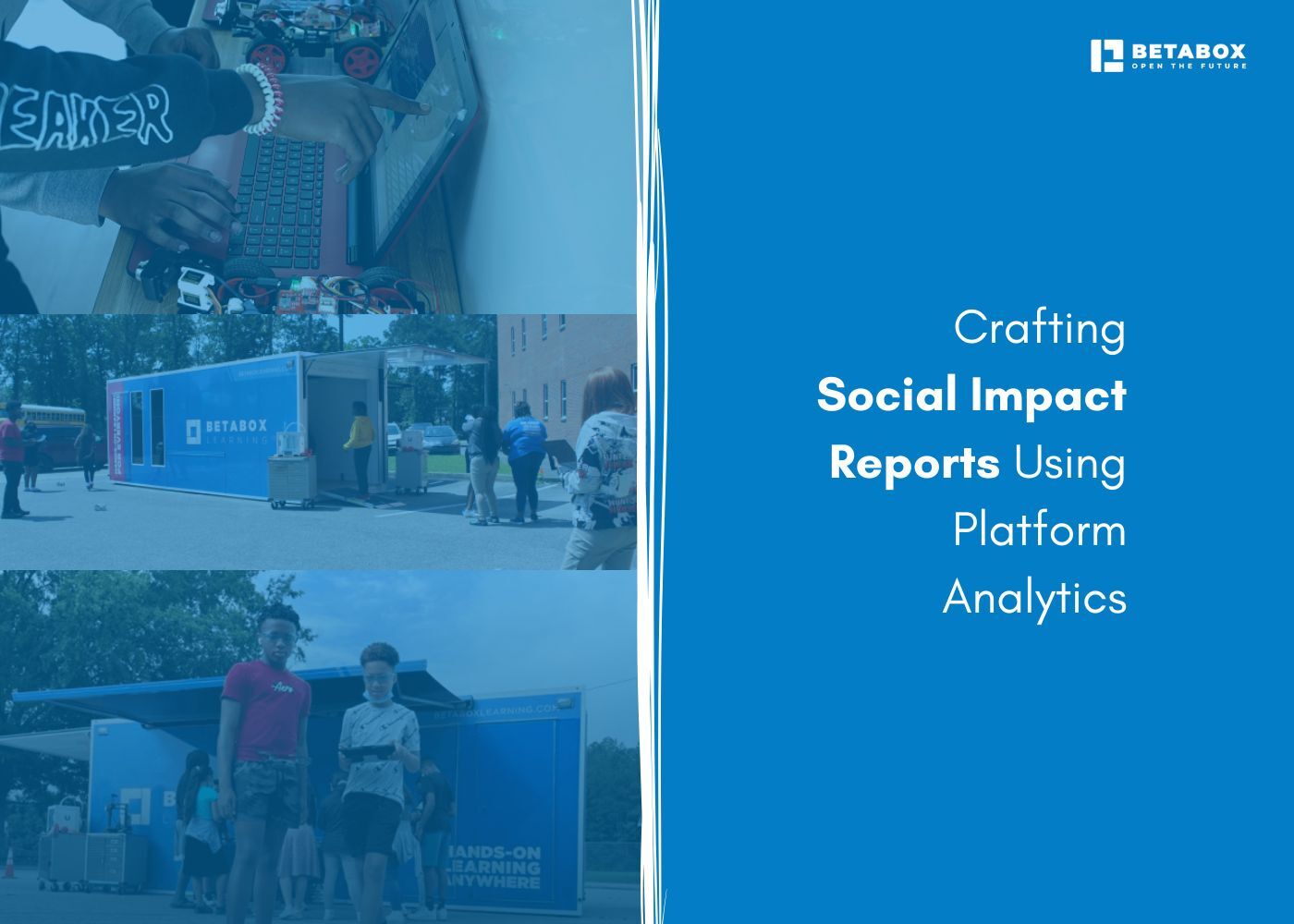
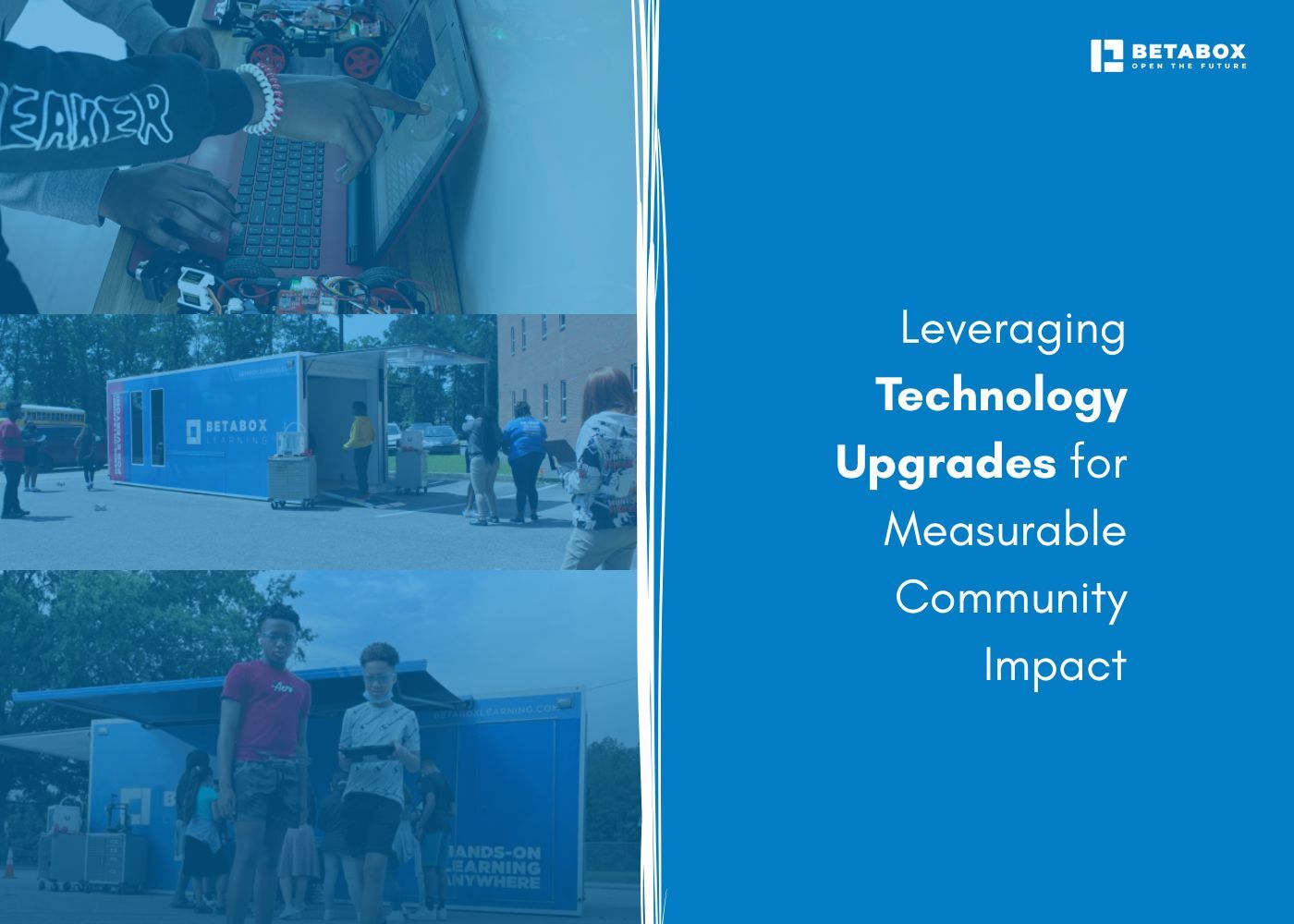
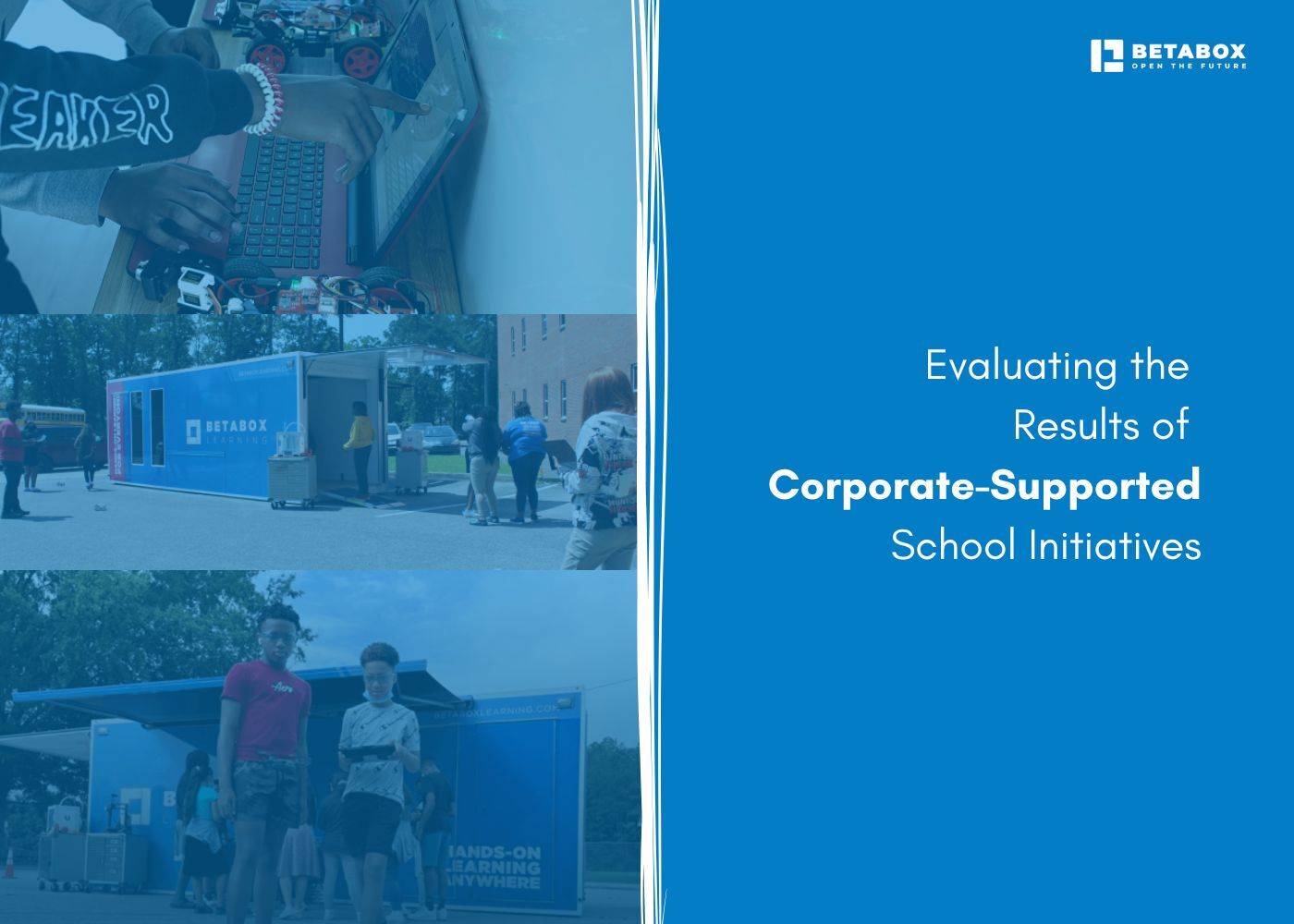
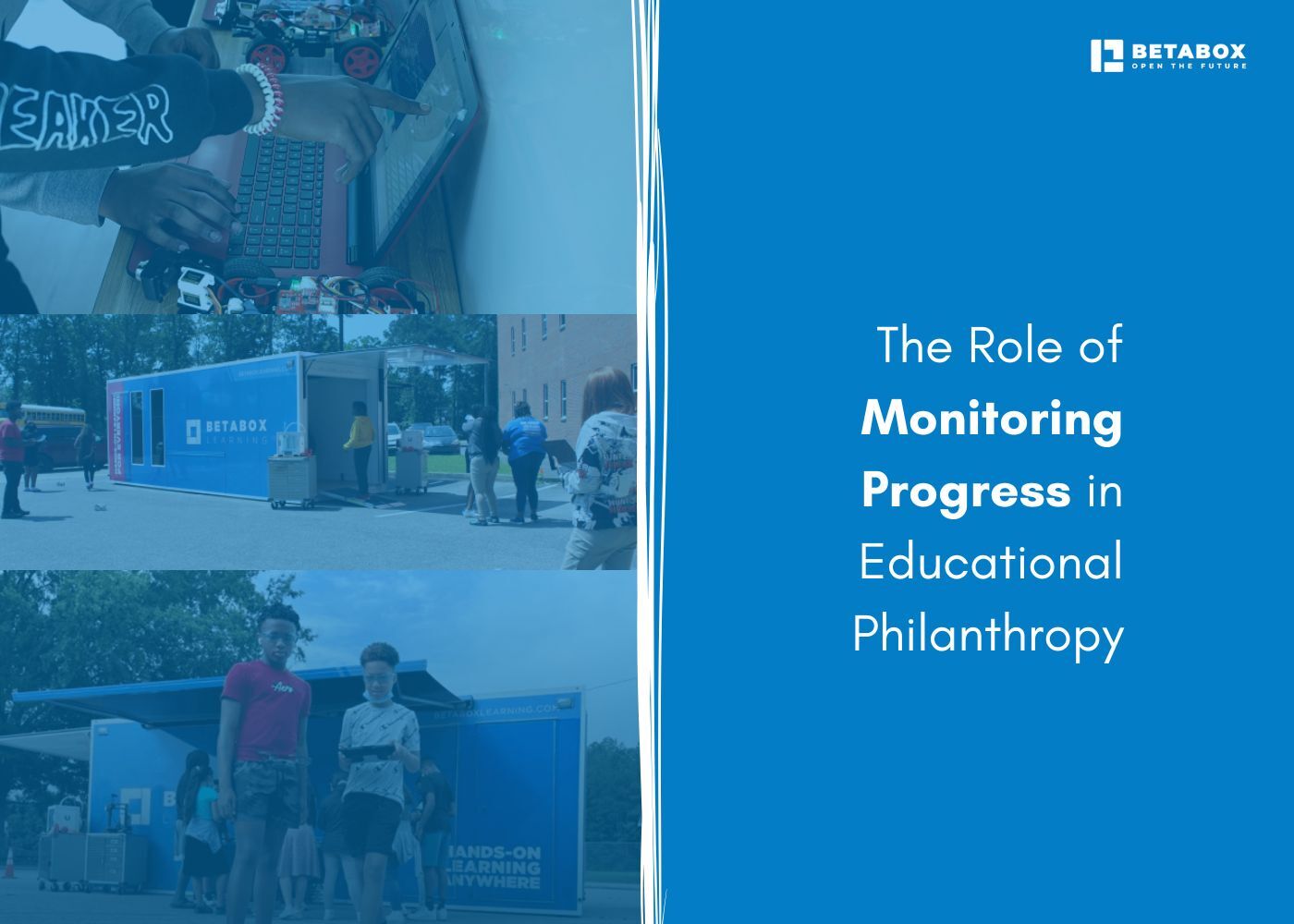
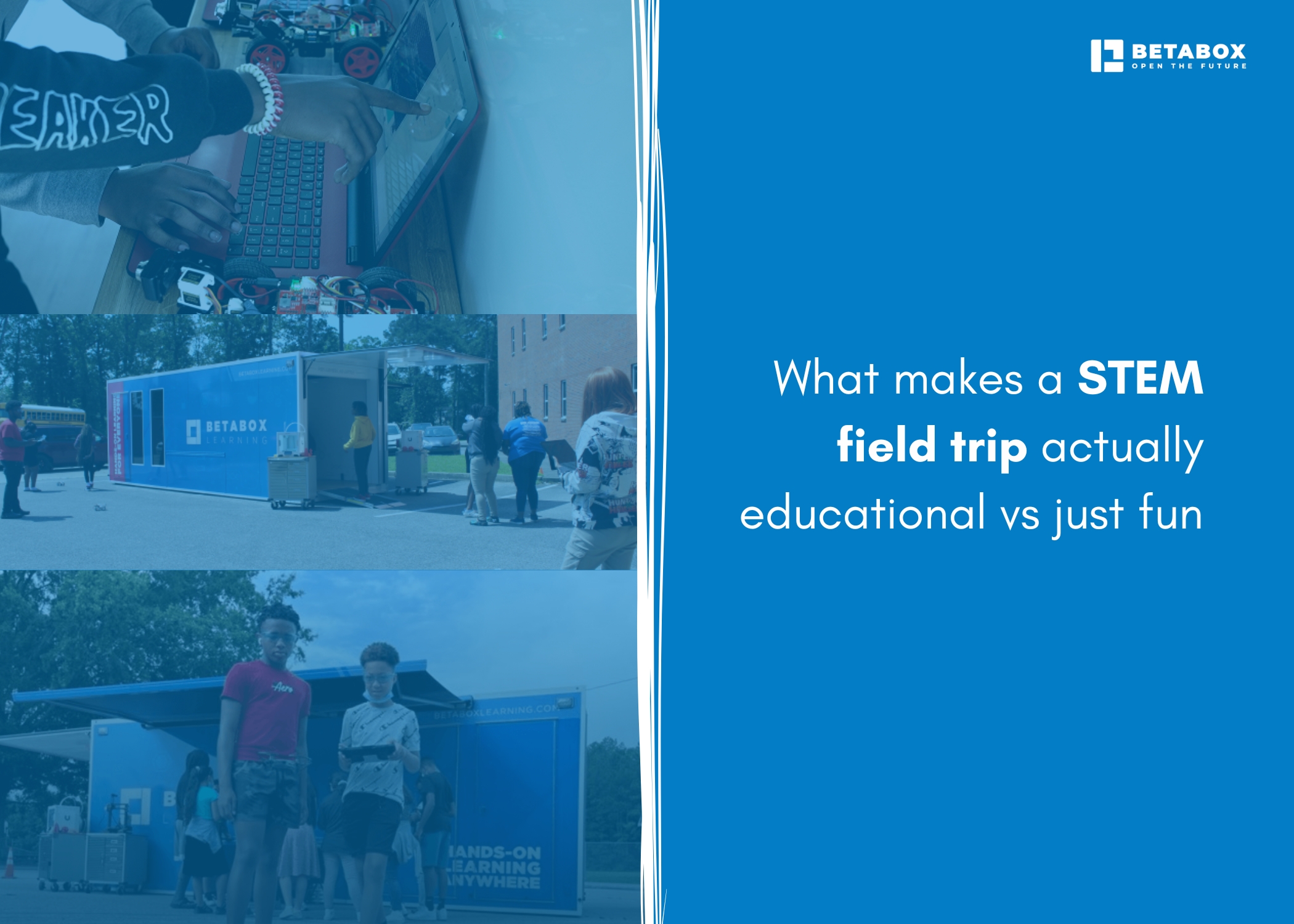
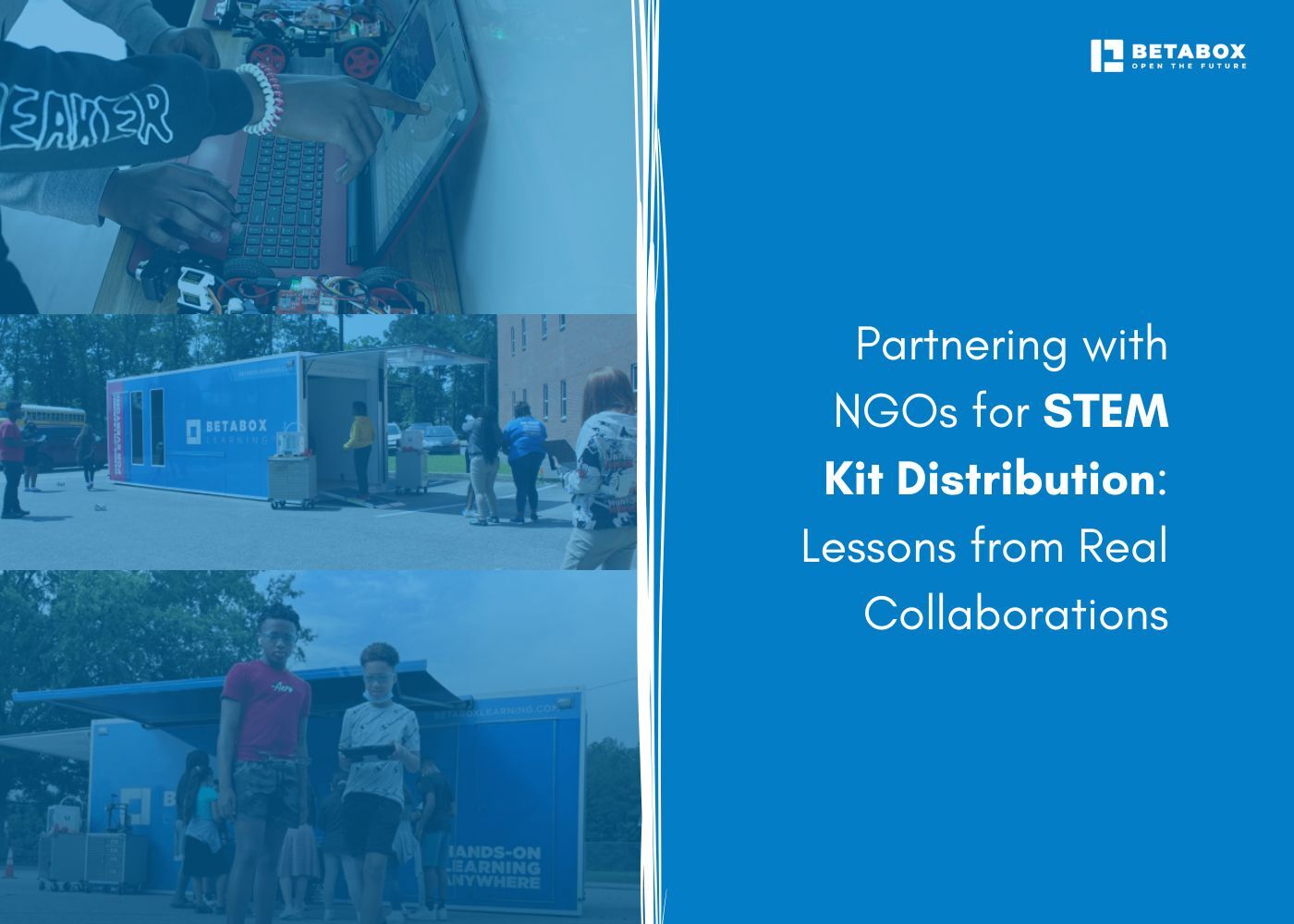
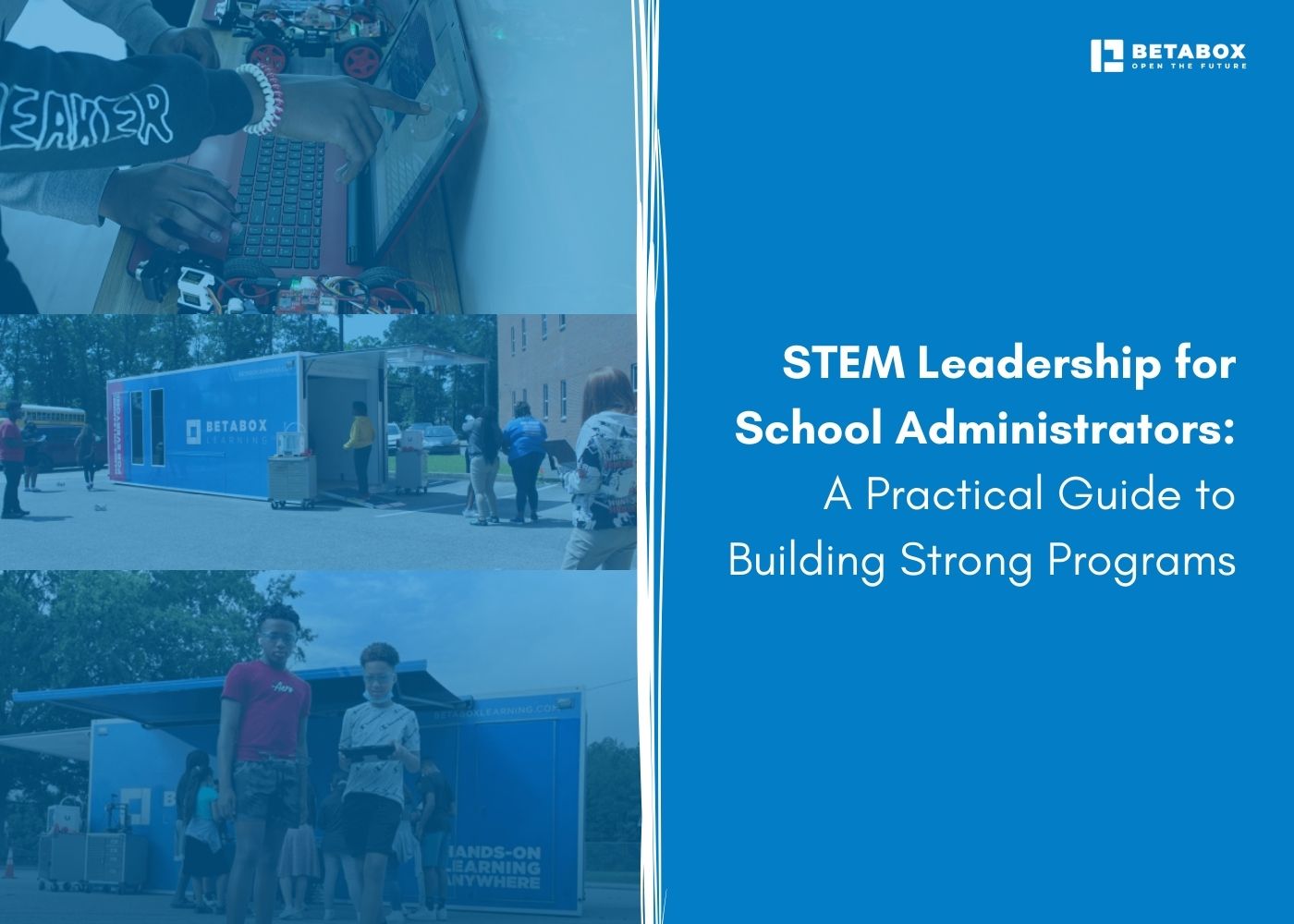
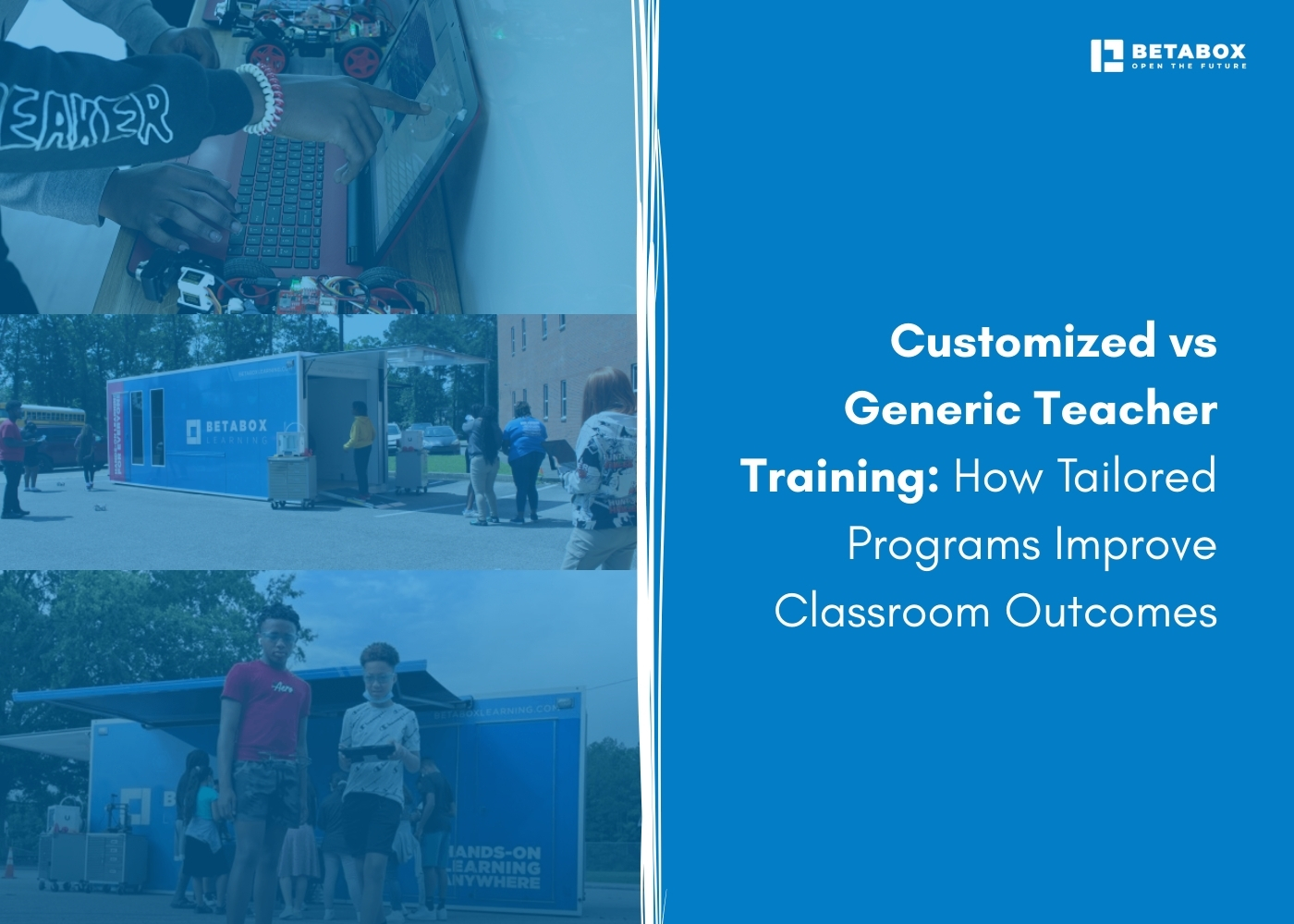
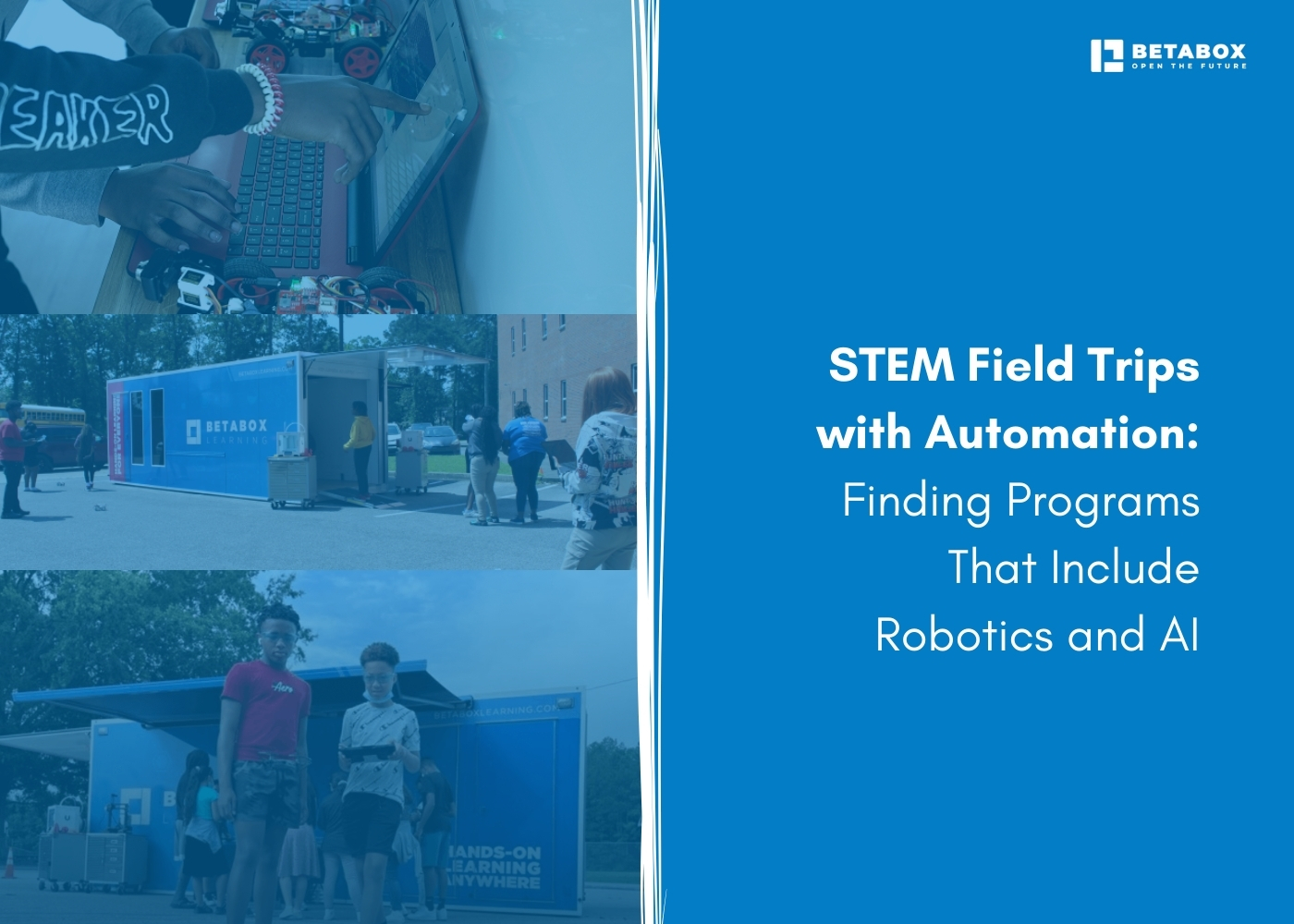
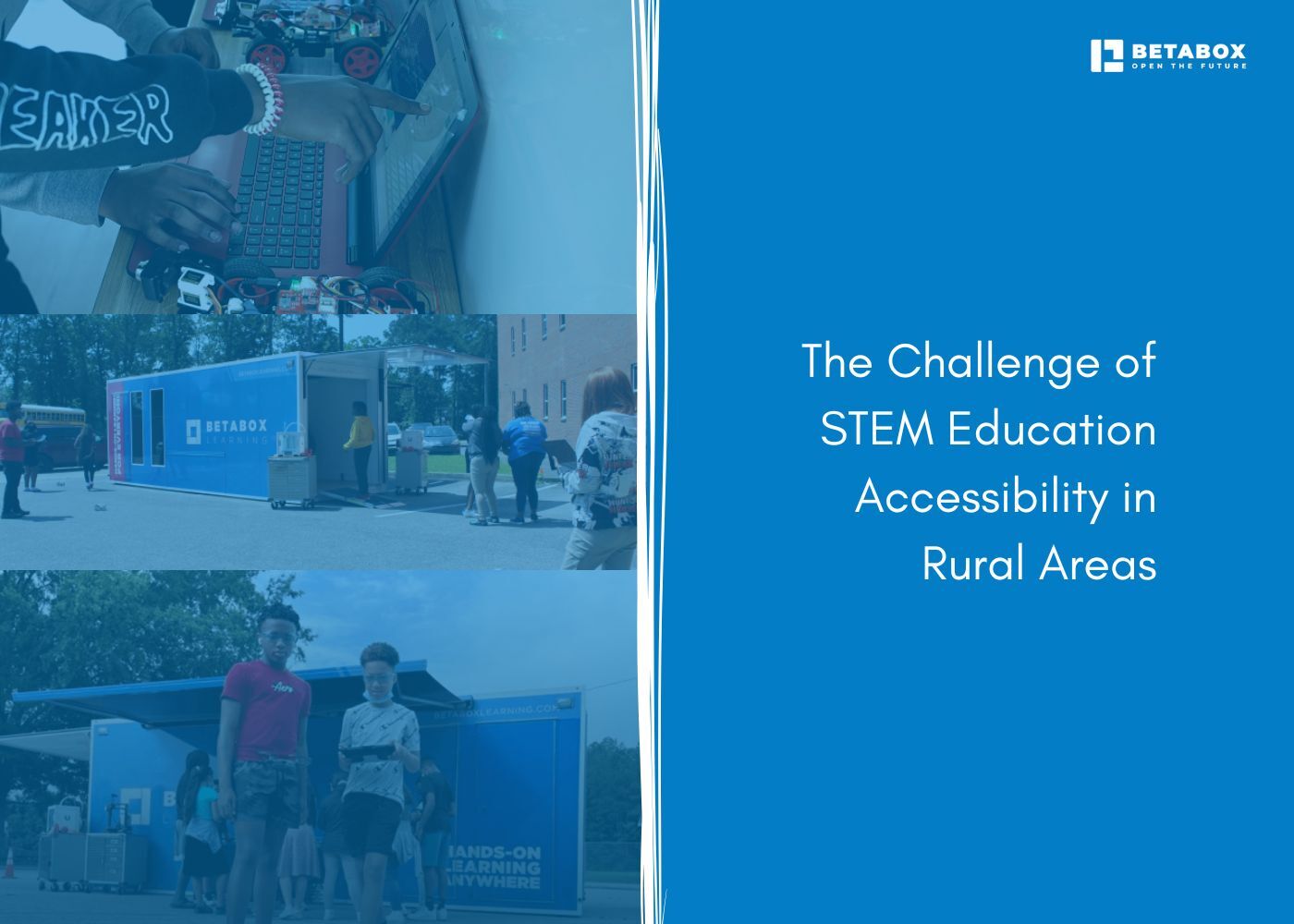
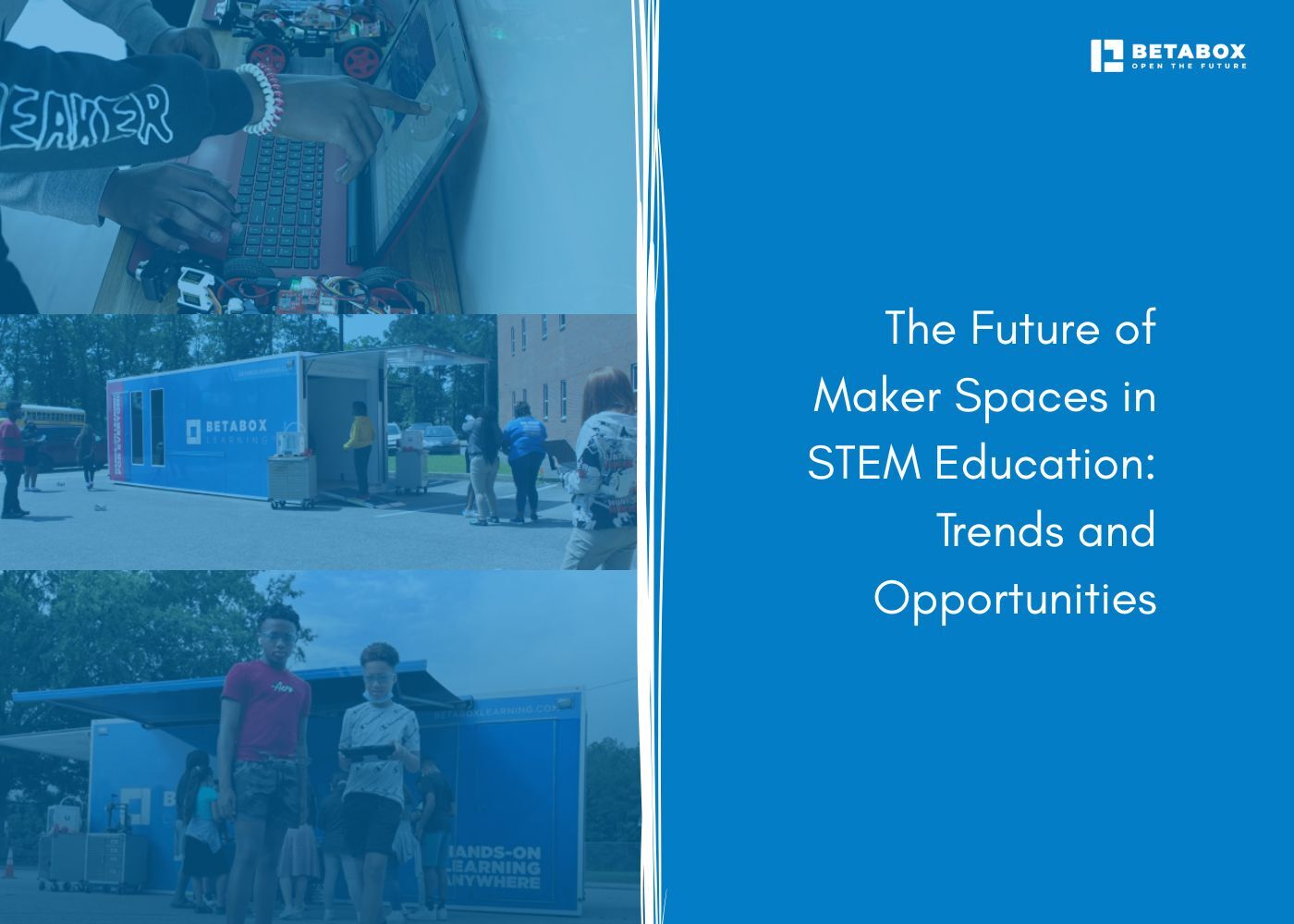
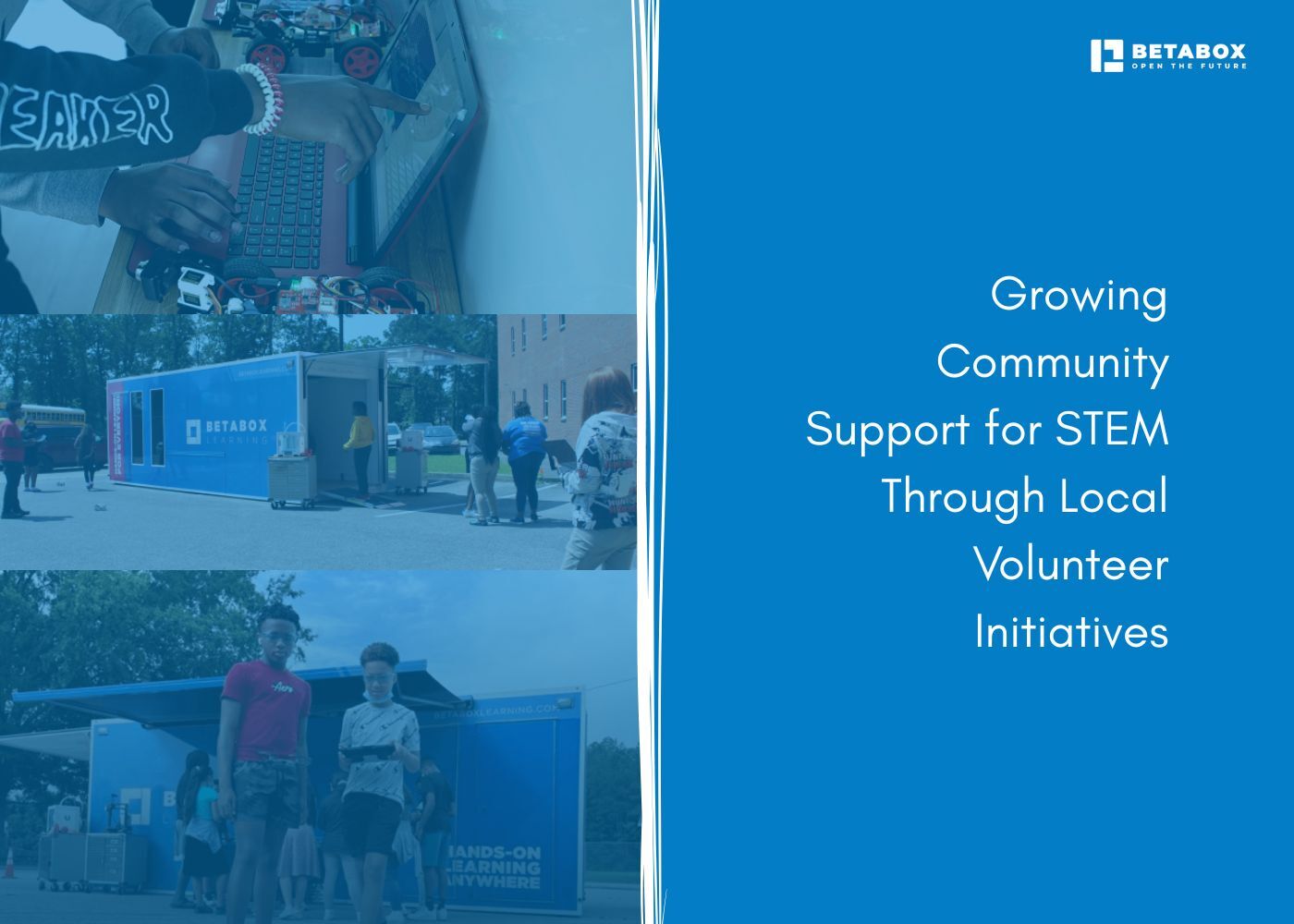
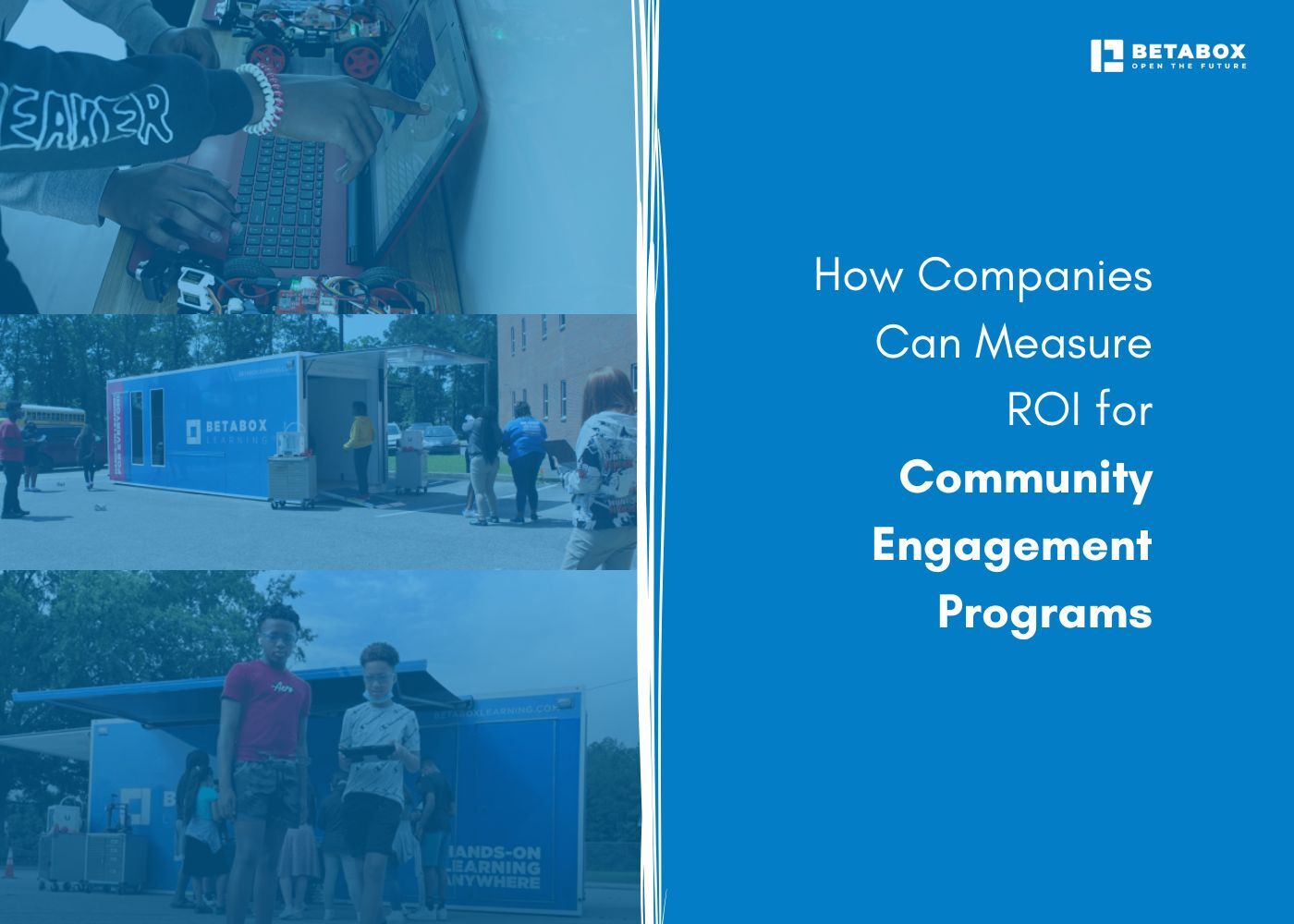
Real-world application shows students how classroom concepts function in authentic settings. When students see engineers solving actual problems or using professional tools, abstract concepts become concrete. Programs like Betabox Onsite Field Trips bring hands-on STEM activities directly to schools, allowing students to engage with technology, engineering, and coding without transportation barriers.
Depth over flash matters more than spectacular displays. Science museums and tech centers sometimes prioritize spectacle over substance. Educational value comes from understanding the principles behind the demonstration. Effective STEM field trips balance engagement with depth, ensuring students grasp not just what happened, but why and how.
Career exposure transforms STEM field trips into truly educational experiences. When students visualize themselves in STEM occupations and meet diverse professionals, you plant seeds for future pathways. As education evolves to meet the changing nature of work, career connections become increasingly important.
Even well-intentioned field trips can fall short of educational goals:
Lack of curriculum alignment means students struggle to integrate new knowledge when field trip content doesn't connect to classroom learning.
Insufficient active learning time occurs when field trips focus heavily on presentations with little hands-on engagement, missing opportunities for deep learning.
No follow-through allows short-term interest to quickly fade without post-trip activities that extend and deepen understanding.
Over-stimulation without focus happens when too many activities overwhelm students in one visit. Effective field trips prioritize depth over breadth.
For educators planning field trips or evaluating programs, several factors indicate genuine educational value:
Age-appropriate challenge stretches students slightly beyond current abilities without frustrating them. Content should be accessible but not oversimplified, meeting students where they are while pushing growth.
Educator involvement treats you as a partner rather than just a chaperone. Look for providers offering lesson plans, vocabulary lists, and extension activities that help you maximize learning before, during, and after the experience.
Assessment opportunities let you observe and document learning through journals, sketches, photographs, or discussion prompts. Educational field trips provide concrete evidence of understanding.
Inclusive design works for all learners, accommodating different learning styles, physical abilities, and prior knowledge levels. Truly educational experiences ensure every student can participate meaningfully.
While student enjoyment matters, educational field trips should demonstrate measurable outcomes beyond smiles and excitement:
Organizations focused on educational impact track meaningful metrics. Betabox has served over 500,000 students while maintaining a 90% educator Net Promoter Score. Research shows statistically significant improvement in STEM content knowledge after just one hour with properly designed hands-on experiences, along with measurable increases in STEM identity and interest.
Budget constraints mean you must justify field trip choices. Educational field trips offer a stronger rationale:
Equity and access matter deeply. For many students, particularly in underserved communities, field trips provide the only exposure to STEM environments and hands-on technology. Closing STEM resource gaps requires removing barriers that limit students' access to transformative experiences.
Standards alignment supports curriculum standards and gains easier administrative approval when you can demonstrate clear connections to learning objectives.
Long-term value extends beyond a single day. Students who participate in well-designed field trips show sustained engagement with content and stronger connections to future career possibilities.
The most effective STEM field trips don't choose between educational rigor and enjoyment. Rather, the best experiences recognize that genuine engagement comes from intellectual challenge, hands-on discovery, and meaningful accomplishment. Students naturally find deep learning satisfying when properly structured.
Field trips become educational when every element serves learning goals, from pre-trip preparation through post-trip reflection. Programs worth your time and investment create lasting change in how students see themselves, understand STEM concepts, and approach problem-solving.
For educators evaluating options, look for providers who emphasize learning outcomes over entertainment, offer robust curriculum materials and educator support, involve you as an educational partner, and measure impact beyond student enjoyment.
The right STEM field trip does more than fill a day. Opening pathways into technology for all students so the future works for everyone requires experiences that build both skills and confidence.
How do I know if a field trip is educational or just entertaining?
Educational field trips have clear learning objectives aligned with curriculum standards, include substantial hands-on activities, provide pre- and post-trip materials for educators, and measure learning outcomes beyond enjoyment.
What's the ideal length for an educational STEM field trip?
Quality matters more than duration. Most effective elementary STEM field trips last 60 to 90 minutes of focused, hands-on activities, while multiple shorter connected experiences often work better than single marathon visits.
Can field trips be educational without leaving school grounds?
Absolutely. On-site field trip programs bring authentic STEM experiences directly to schools, eliminating transportation barriers while delivering hands-on, expert-led learning. What matters is the quality of engagement and learning design, not the location.
How should educators prepare students for educational field trips?
Start preparation at least one week before the visit. Introduce key vocabulary and concepts, preview what students will see and do, generate investigation questions together, and establish clear behavioral and learning expectations.
What should happen after an educational field trip?
Schedule reflection within 24 to 48 hours while memories remain fresh. Activities might include group discussions, journal writing about discoveries, drawing what students learned, or extension projects applying new knowledge.
How can I justify field trip costs to administrators?
Focus on curriculum alignment, measurable learning outcomes, equity and access for underserved students, and long-term value. Educational field trips with proven impact are investments in student success, not just entertaining outings.


Ready to learn how Betabox resources can be implemented at your school or District?
Book a Blueprint Call

.jpg)

.jpg)
.jpg)
.jpg)






.jpg)

At Betabox Learning, we are passionate about making hands-on STEM curricula accessible to all students.






.jpg)