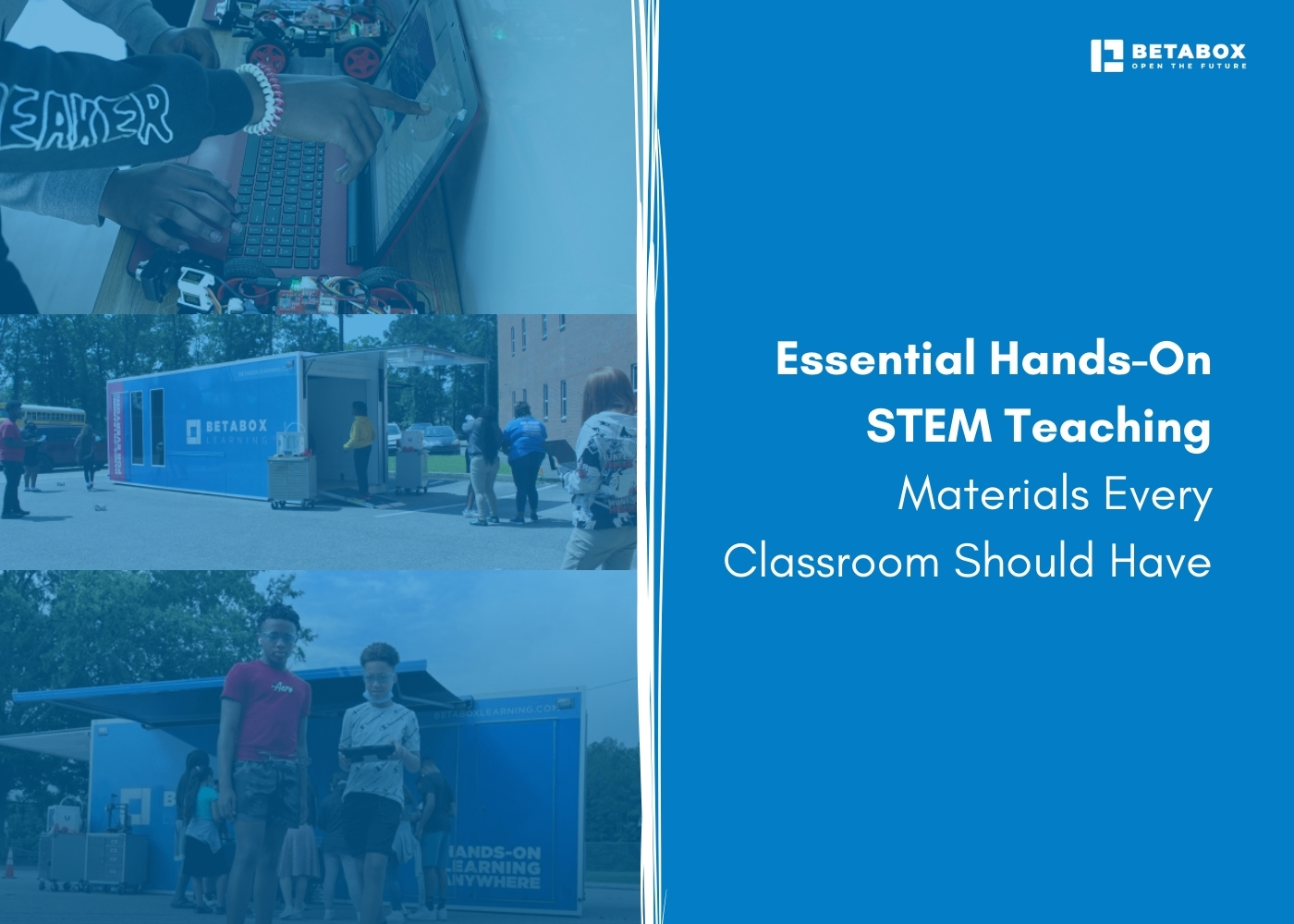
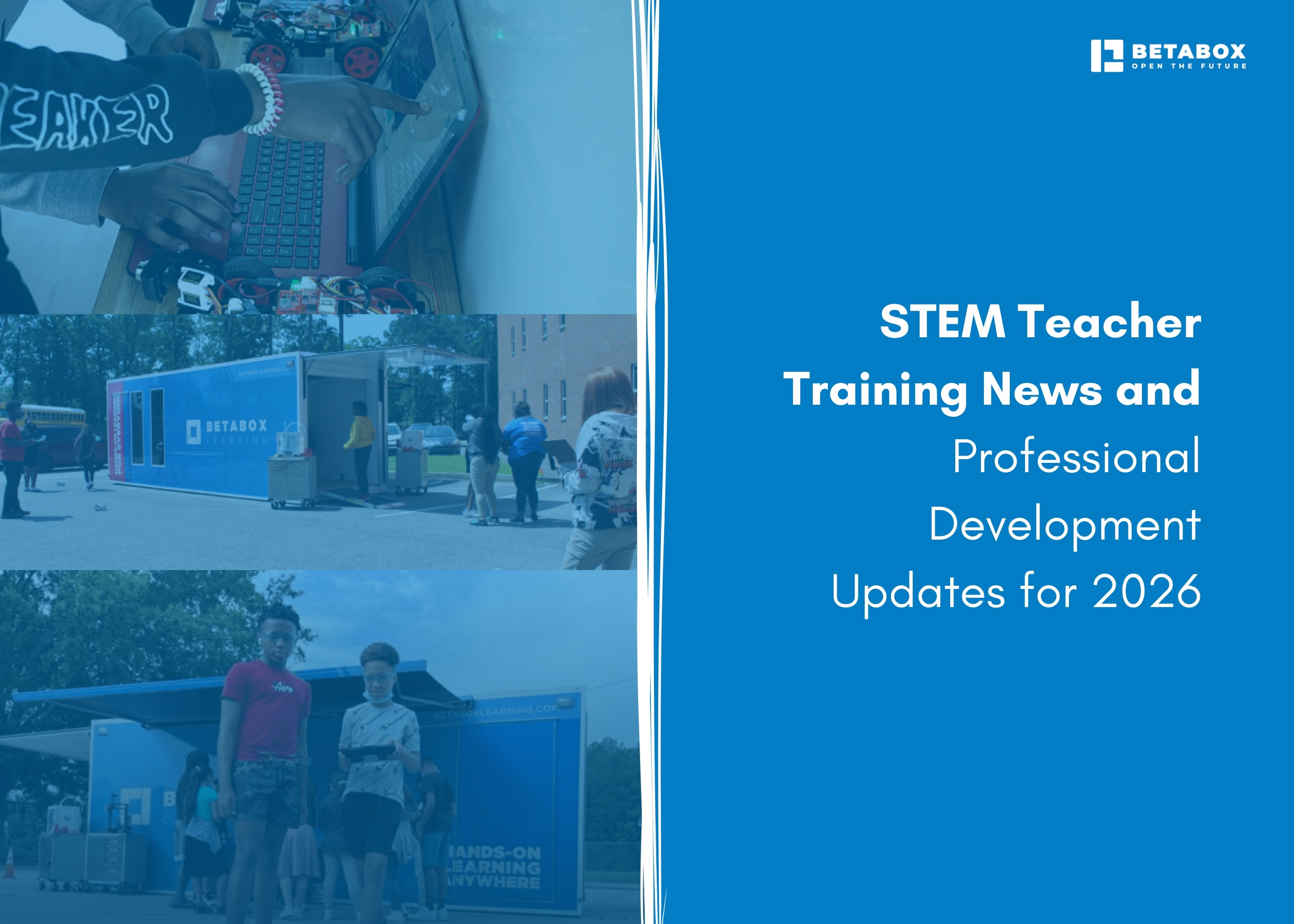
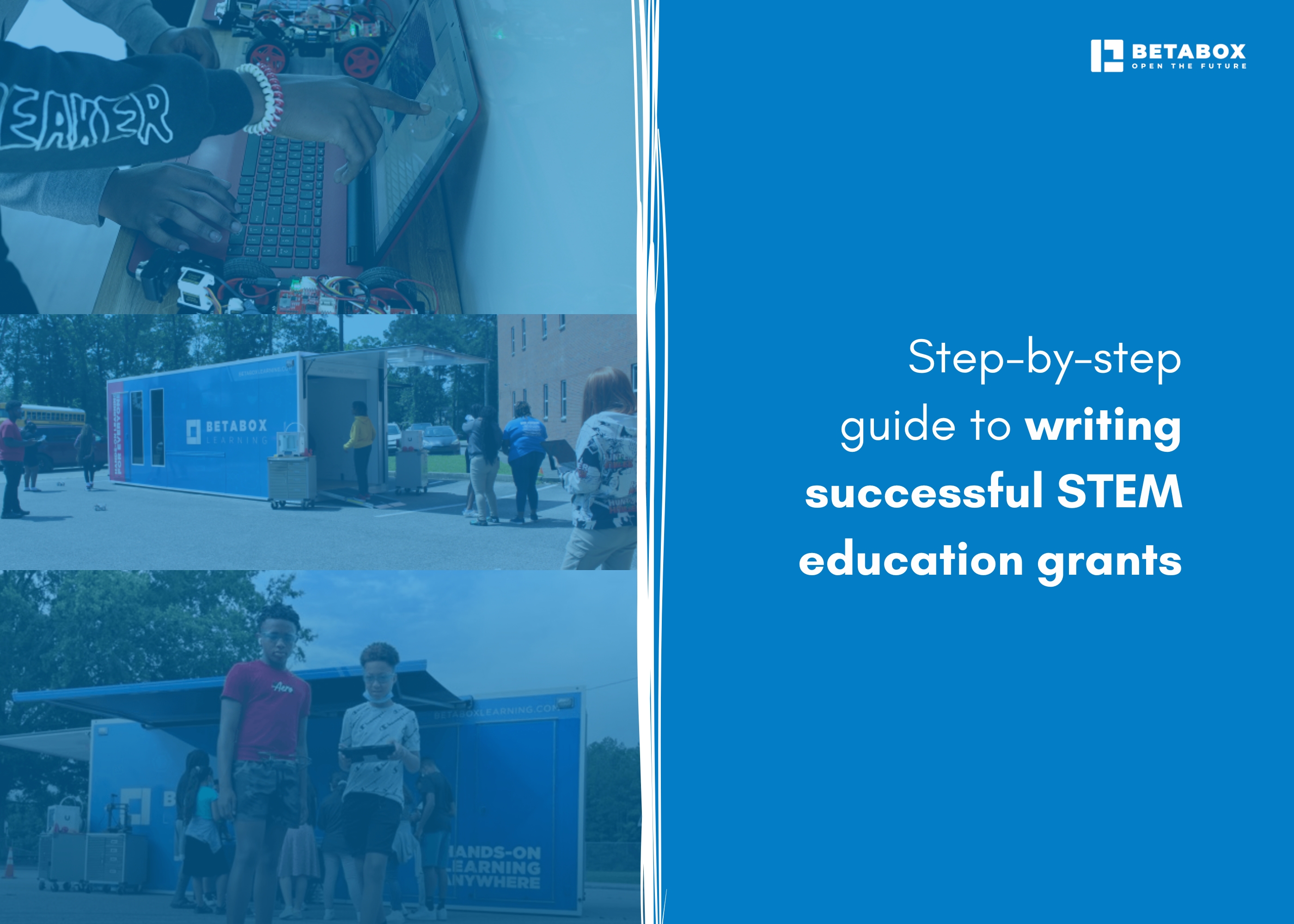
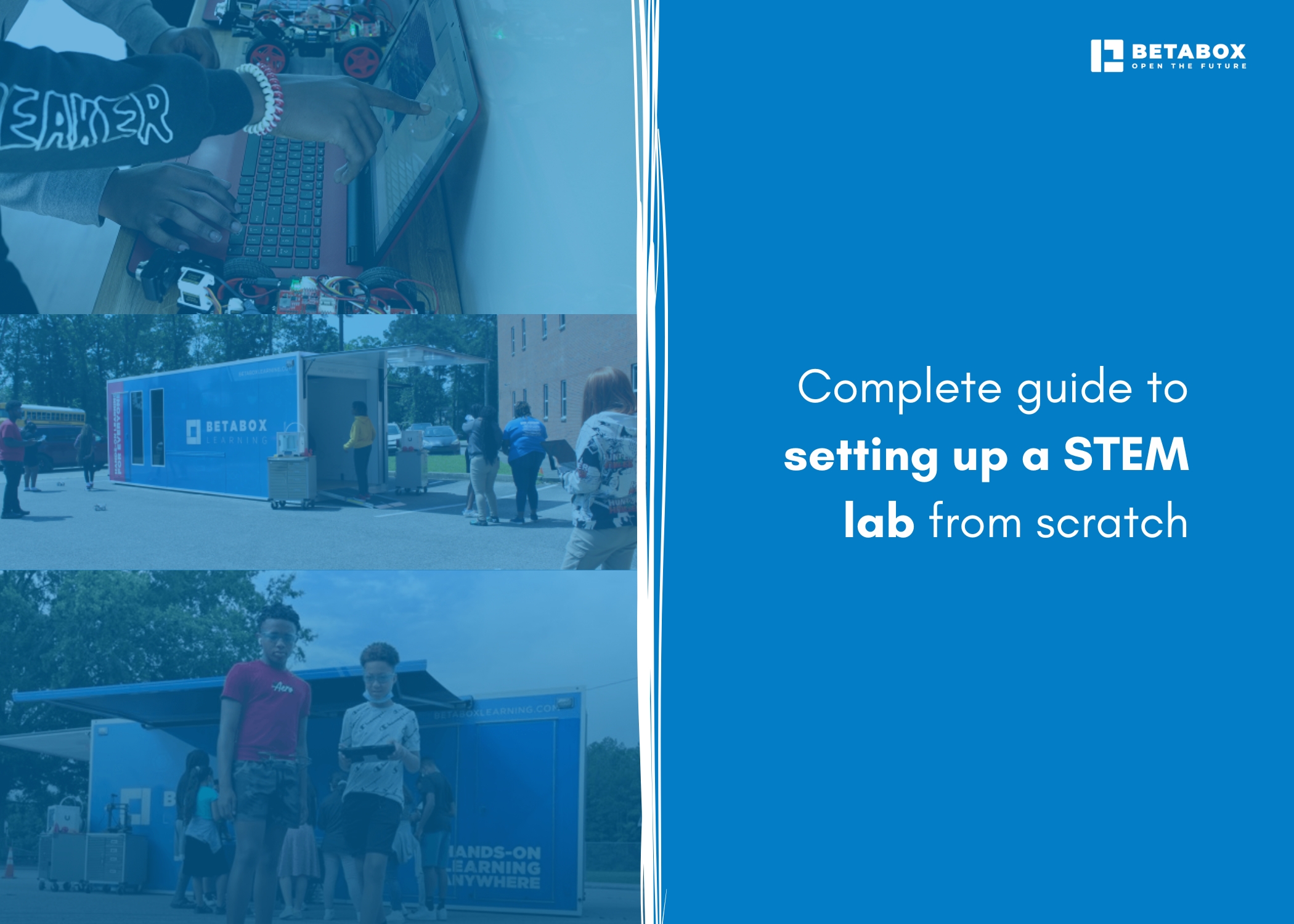
Middle school represents a critical turning point in students' STEM journeys. You face a unique challenge: selecting materials that keep naturally curious 11-14-year-olds engaged while introducing more complex scientific concepts. The right STEM kits can make all the difference in building lasting interest and confidence.
Hands-on afterschool and classroom experiences significantly increase students' STEM career knowledge and confidence. Selecting quality classroom materials sets the foundation for success during core instructional time and beyond.
Middle school STEM kits should align with Next Generation Science Standards (NGSS) to ensure comprehensive learning experiences. Look for materials that address all three NGSS dimensions: Science and Engineering Practices, Crosscutting Concepts, and Disciplinary Core Ideas.
Materials labeled as "NGSS-aligned" should explicitly state which performance expectations each activity addresses. Certified programs provide detailed alignment documentation, making your lesson planning more efficient and saving valuable prep time.
Consider how kits integrate mathematics and technology alongside science and engineering. Middle schoolers benefit from seeing connections across disciplines rather than learning subjects in isolation. Integrated STEM programs provide the most comprehensive learning experiences, helping students understand how real-world problems require knowledge from multiple fields.
The best middle school STEM kits emphasize active learning over passive observation. Students at this age need opportunities to build, test, fail, and iterate on real engineering challenges. When students can physically manipulate materials and see immediate results of their design choices, abstract concepts become concrete.
Quality hands-on kits include:
Look for kits housed in stackable, protective storage containers. Well-organized systems that sort materials by individual activities dramatically reduce prep time between classes, giving you more energy for facilitating student learning.
Physical manipulation of materials helps middle schoolers grasp abstract concepts. Robotics kits, engineering design sets, and physics experiment boxes all provide tangible ways to explore scientific principles. Behavioral engagement through hands-on activities plays a critical role in student achievement from sixth through eighth grade.
Betabox Projects offers student-led hands-on experiences where learners solve real-world design challenges while building actual technology systems like self-driving cars and robotics. The materials are designed specifically to support educators in creating transformative learning experiences, even in under-resourced communities.
Even experienced educators need comprehensive support when implementing new STEM programs. Quality kits include detailed teacher guides that go beyond simple answer keys.
Essential teacher resources include:
Professional development opportunities amplify kit effectiveness. Programs that offer training help educators maximize materials and build confidence with new content. Betabox has served over 500,000 students while maintaining a 90% educator Net Promoter Score, demonstrating how strong teacher support drives program success.
Digital resources complement physical materials. Look for kits that provide student worksheets, instructional videos, and extension activities accessible through online portals. Pre-selected, sorted materials with ready-made guides require little to no prep work, allowing you to focus energy on facilitation rather than logistics.
Middle school students need materials that match their developmental stage. Effective kits introduce advanced technologies like robotics and coding, connect concepts to real-world applications, and allow student choice in project design.
Middle school represents a crucial time for maintaining STEM interest, particularly among girls and students from underrepresented groups. Choosing kits that maintain and grow that interest requires intentional design. Look for diverse examples, varied entry points, and challenges that avoid stereotypes.
Gender representation matters in STEM materials. Students who see people like themselves in STEM fields feel more confident pursuing technology careers. Select materials featuring diverse scientists and engineers, and consider how kit marketing and imagery represent different identities.
As education evolves to meet the changing nature of work, middle school students need experiences that develop creativity, adaptability, and systems thinking alongside technical skills. The best STEM kits position students as capable builders and problem-solvers rather than passive recipients of information.
STEM kit pricing varies from under $20 for single-topic activities to $500+ for comprehensive programs. Consider these factors when evaluating value:
Some vendors offer materials under $20, making quality education accessible with tight budgets. For schools ready to invest in comprehensive solutions, complete curriculum systems provide better per-student value over multi-year adoption.
Grant funding and partnerships can expand purchasing power. Many organizations support STEM education initiatives. Betabox helps educators secure funding and implement hands-on STEM programs, recognizing that budget limitations shouldn't determine which students receive quality science instruction.
Middle school STEM activities often involve more sophisticated tools than elementary programs. Verify that kits include:
Age-appropriate challenge means students can complete activities with guidance but without constant adult intervention. Middle schoolers develop independence through STEM work, building confidence alongside content knowledge. Betabox research shows statistically significant improvement in STEM content knowledge after just one hour with properly designed materials, along with measurable increases in STEM identity and interest.
Student success with hands-on STEM experiences builds confidence that extends beyond the classroom. When learners see themselves as capable engineers and problem-solvers, they're more likely to pursue technology-enabled careers regardless of their background or zip code.
Choosing STEM kits involves balancing multiple priorities: curriculum alignment, student engagement, teacher support, budget constraints, and long-term program goals. Start by identifying your most immediate needs. Are you supplementing existing curriculum, building an entirely new program, or filling specific standards gaps?
Talk with other middle school educators in your network about materials they've used successfully. Hands-on experience with materials before purchasing helps you evaluate whether kits truly deliver on their promises. Many vendors offer sample kits or demo programs.
Consider how new materials integrate with your existing resources. Comprehensive STEM solutions that include field trips, classroom projects, and educator platforms provide coordinated support across multiple learning environments. Consistent approaches help students build cumulative knowledge rather than experiencing disconnected activities.
Professional learning communities can maximize your investment. When multiple educators in your building or district use the same materials, you can share insights, troubleshoot challenges together, and build collective expertise more efficiently.
The right STEM kits do more than teach isolated facts. Materials that emphasize hands-on learning, connect to real-world applications, and position students as capable builders create lasting impact. Middle schoolers who engage with quality STEM experiences develop identities as people who can succeed with technology.
Organizations committed to educational equity ensure all students have access to these transformative experiences. Betabox's mission focuses on opening the path to technology for all students so that the future works for everyone. Whether through mobile makerspaces that bring technology directly to schools or classroom resources that make implementation manageable, equity-focused solutions remove barriers that have traditionally limited access.
Your selection of STEM materials matters. Quality kits combined with your expertise create learning environments where students discover possibilities they never imagined for themselves.
Ready to bring engaging STEM experiences to your middle school classroom? Book a Blueprint call to explore how Betabox supports educators with proven, equity-focused STEM solutions.
What makes a STEM kit suitable for middle school versus elementary school?
Middle school kits introduce more advanced concepts in coding, robotics, and engineering design with greater independence. Students work through open-ended challenges rather than following strict instructions, connecting learning to real-world STEM careers.
How many students should one STEM kit serve?
Most middle school STEM kits are designed for teams of 2-4 students. For a class of 24-32 students, plan to purchase 6-8 kit sets, though some vendors offer classroom packs sized for typical enrollments.
Should I prioritize single-subject kits or integrated STEM programs?
Integrated programs that connect multiple disciplines typically provide better learning outcomes and help students see real-world connections. Single-subject kits work well for supplementing existing curriculum or addressing specific standards gaps.
How do I know if a STEM kit aligns with NGSS?
Look for explicit alignment documentation from vendors listing specific performance expectations addressed and explaining how activities meet the three dimensions of NGSS. Certified programs provide detailed alignment guides that support your lesson planning.
What if my school has limited storage space?
Choose kits with stackable, labeled storage systems designed with classroom space constraints in mind. Many vendors now address storage challenges proactively or consider materials with minimal physical components that still provide hands-on learning.
How can I afford quality STEM kits on a limited budget?
Start with one or two high-impact kits and expand gradually as you secure funding. Explore grant opportunities, partner with local businesses or foundations, and consider programs like Betabox that help educators access funding specifically for hands-on STEM resources.


Ready to learn how Betabox resources can be implemented at your school or District?
Book a Blueprint Call

.jpg)


.jpg)
.jpg)
.jpg)







.jpg)


At Betabox Learning, we are passionate about making hands-on STEM curricula accessible to all students.






.jpg)