High school graduation should feel like a beginning, not a question mark. Yet many students walk across that stage unclear about what comes next, unprepared for the jobs waiting for them, or missing the skills employers actually need.
Career readiness isn't about pushing students toward one specific path. Schools that do this well help students understand their options, build transferable skills, and make informed decisions about their futures. Here's how to create career pathways that actually prepare young people for what's ahead.
Waiting until junior year to discuss careers leaves students behind. Effective pathways begin much earlier than most schools realize.
Young students naturally ask "what do you want to be when you grow up?" but rarely get meaningful exposure to answer that question. Bringing professionals into classrooms, visiting local businesses, and connecting school subjects to real jobs plants seeds early. A fourth grader who meets an engineer or shadows a veterinarian builds awareness that shapes later choices.
Adolescence is prime time for career exploration. Students have enough cognitive development to engage seriously but haven't yet locked into rigid self-concepts. Career assessments, interest inventories, and hands-on experiences with different fields help students discover aptitudes they didn't know they had.
By high school, students benefit from concentrated focus. Career and technical education pathways let students go deep in areas like healthcare, technology, manufacturing, or business. Dual enrollment, internships, and industry certifications add credentials that matter to employers.
Technical knowledge matters, but employers consistently identify other competencies as equally critical. Career readiness programs must address both.
Employers want people who can figure things out. Project-based learning where students tackle authentic challenges, navigate obstacles, and iterate toward solutions builds this capacity. When students design, fail, redesign, and succeed, they develop persistence and creativity that transfer to any career.
Writing emails, presenting to groups, explaining complex ideas simply, and listening actively all appear in job descriptions across industries. Schools that emphasize communication throughout curriculum, not just in English class, prepare students for workplace expectations.
Very few jobs involve working entirely alone. Students need practice working on teams with people they didn't choose, navigating disagreements, and contributing to group success. Structured collaborative projects teach these skills explicitly rather than assuming students will figure them out.
Classroom instruction gains power when students see direct connections to careers.
Local businesses partnering with schools create experiences textbooks can't match. Job shadows, workplace tours, mentorship programs, and project consultations with professionals show students how classroom learning applies beyond school walls. Companies benefit by building community connections and future workforce pipelines.
Internships, apprenticeships, and youth employment programs let students test careers before committing to expensive training. Students learn workplace norms, discover what roles suit them, and build resumes that distinguish them from peers with only academic experience.
CTE programs provide focused training in specific career clusters. Students earn industry-recognized certifications alongside their diplomas. Healthcare, information technology, advanced manufacturing, and skilled trades pathways address workforce needs while giving students marketable credentials.
Digital tools expand career exploration beyond what any single school could offer independently.
Online assessments match student interests, skills, and values with potential career fits. Programs like YouScience, Xello, and Naviance help students discover careers they might never have considered. Assessment results become starting points for deeper exploration rather than definitive answers.
Students can tour facilities, observe procedures, and explore workplaces through virtual reality and video without leaving school. Technology experiences that would be impossible to arrange in person become accessible. Virtual job shadows and industry simulations complement in-person experiences.
Students benefit from understanding which careers are growing, what they pay, and what education they require. Connecting classroom exploration to real labor market data helps students make informed choices about training investments and career targets.
Not every student should follow the same route after high school. Strong career pathway programs honor multiple destinations.
Students heading toward bachelor's degrees need rigorous academics, college application support, and understanding of how their intended major connects to careers. Many complete high school with little idea how their college plans translate to employment.
Two-year degrees and certificate programs offer faster routes to employment in many high-demand fields. Students should understand these options without stigma. Community college credits can also transfer toward four-year degrees for students who start working and decide to continue education later.
Some students want to start earning immediately. Career readiness for this group means workplace skills, connections to employers, and understanding of how to advance without a degree. Apprenticeship programs combine earning and learning effectively for these students.
Military service, AmeriCorps, and similar programs offer structured transitions to adulthood with built-in training and experience. Students considering these options deserve the same quality counseling as college-bound peers.
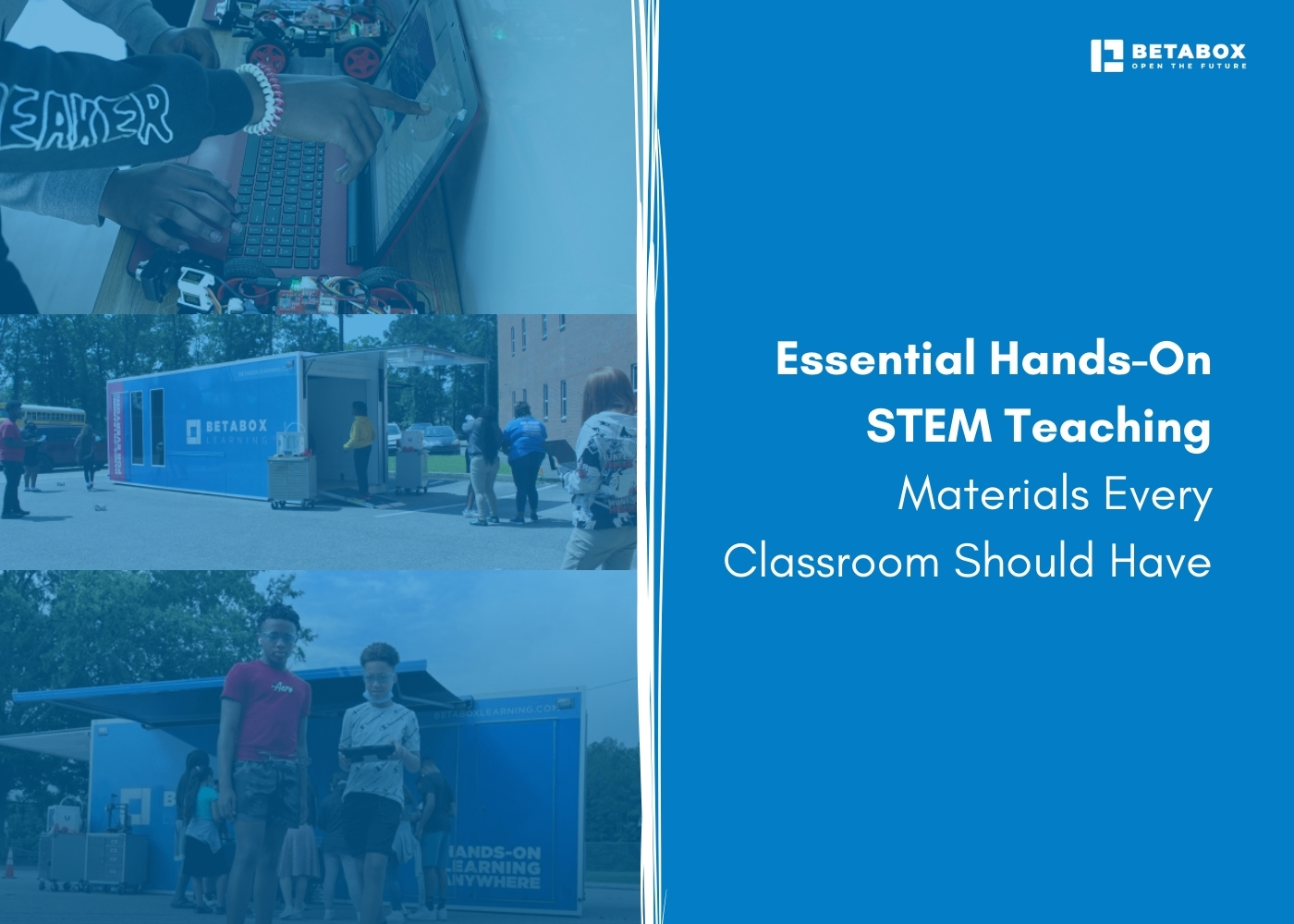
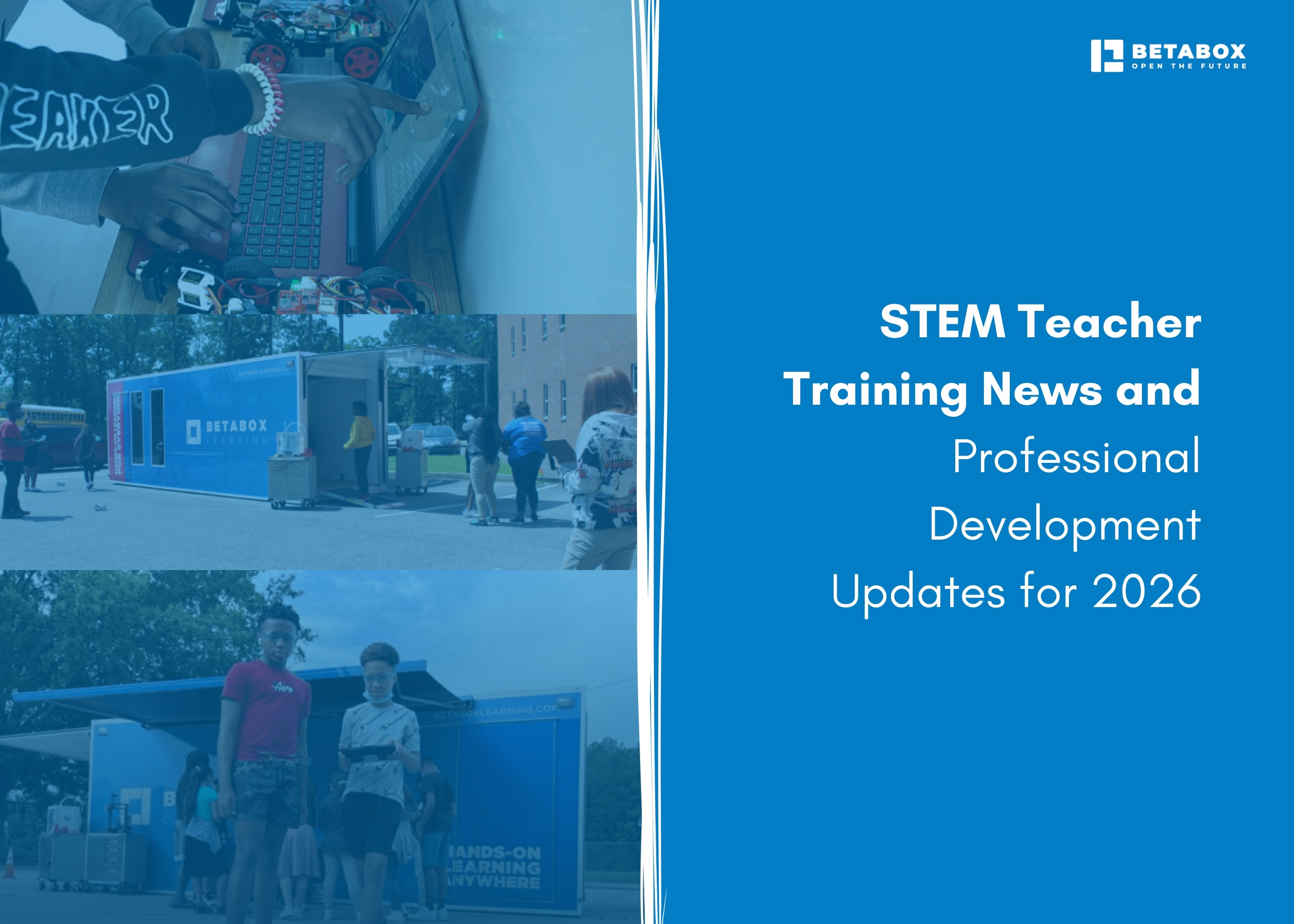
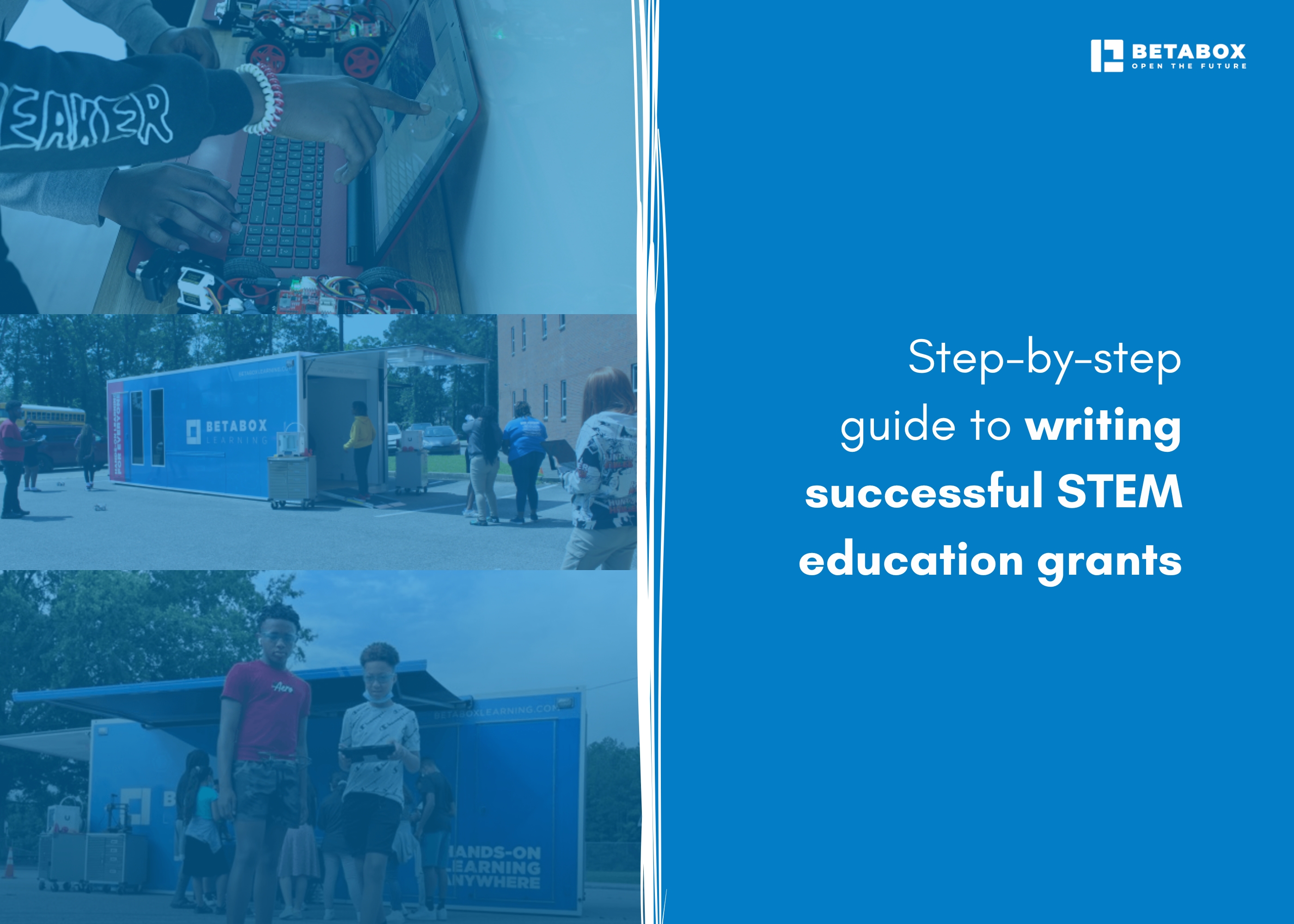
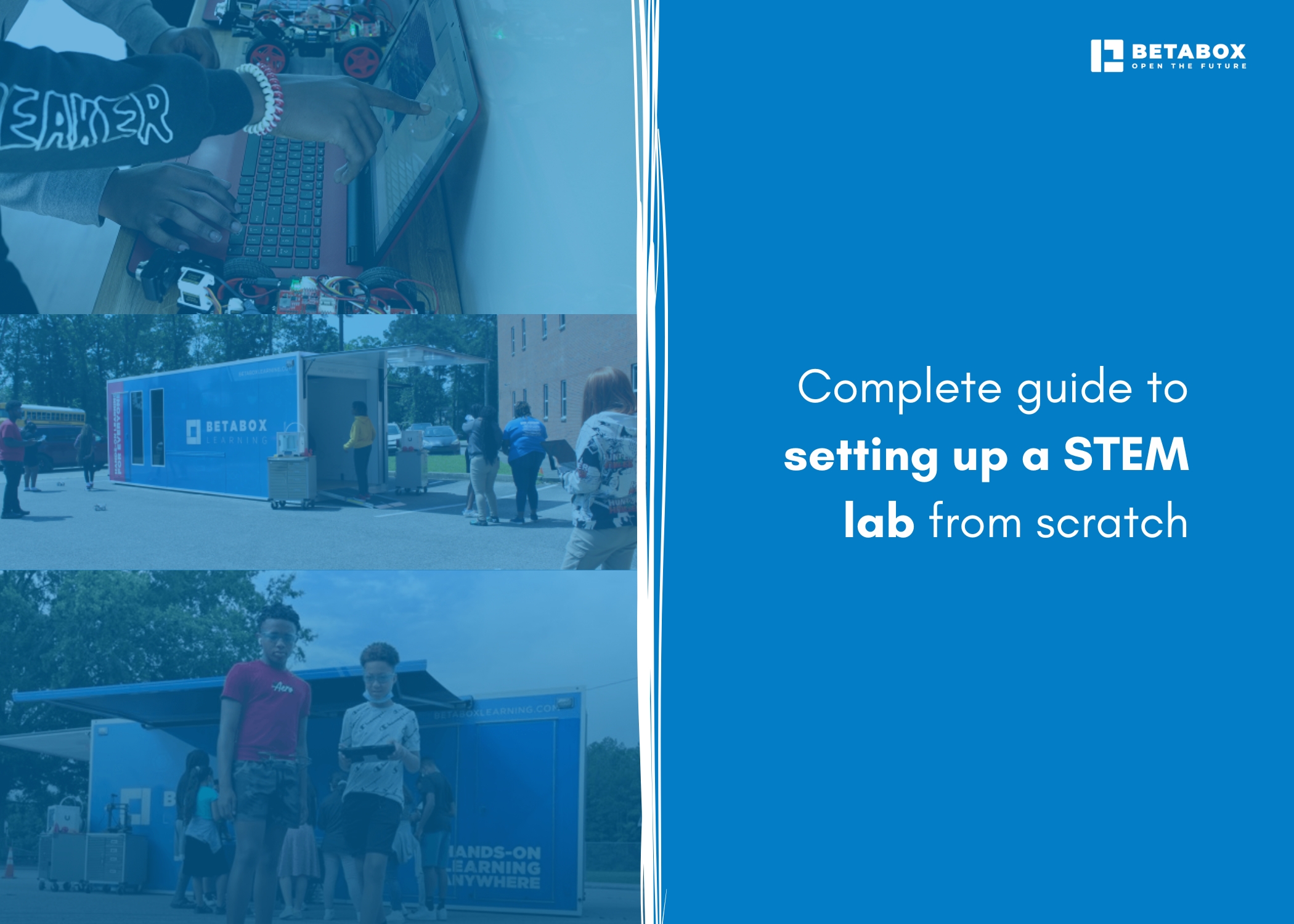
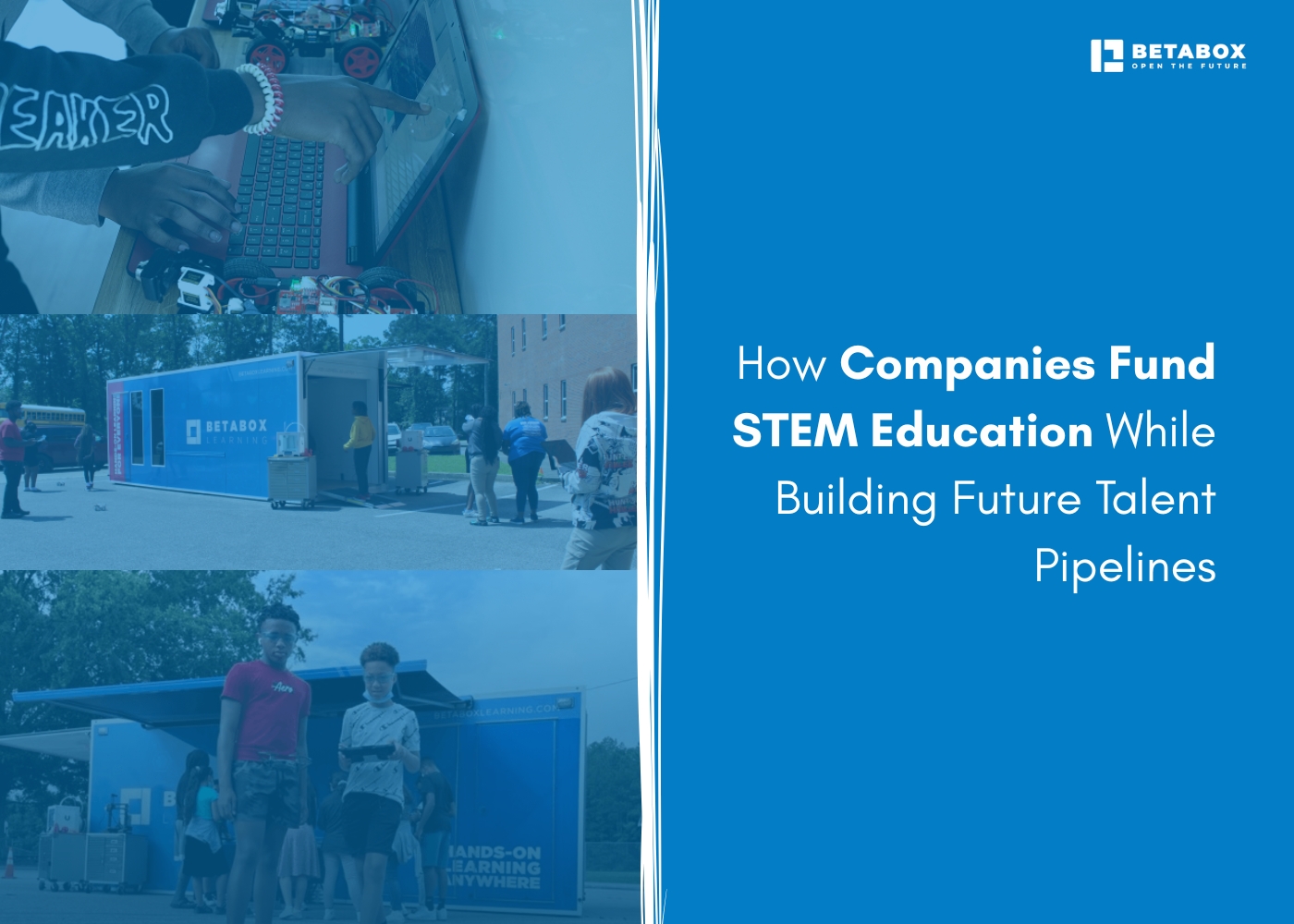
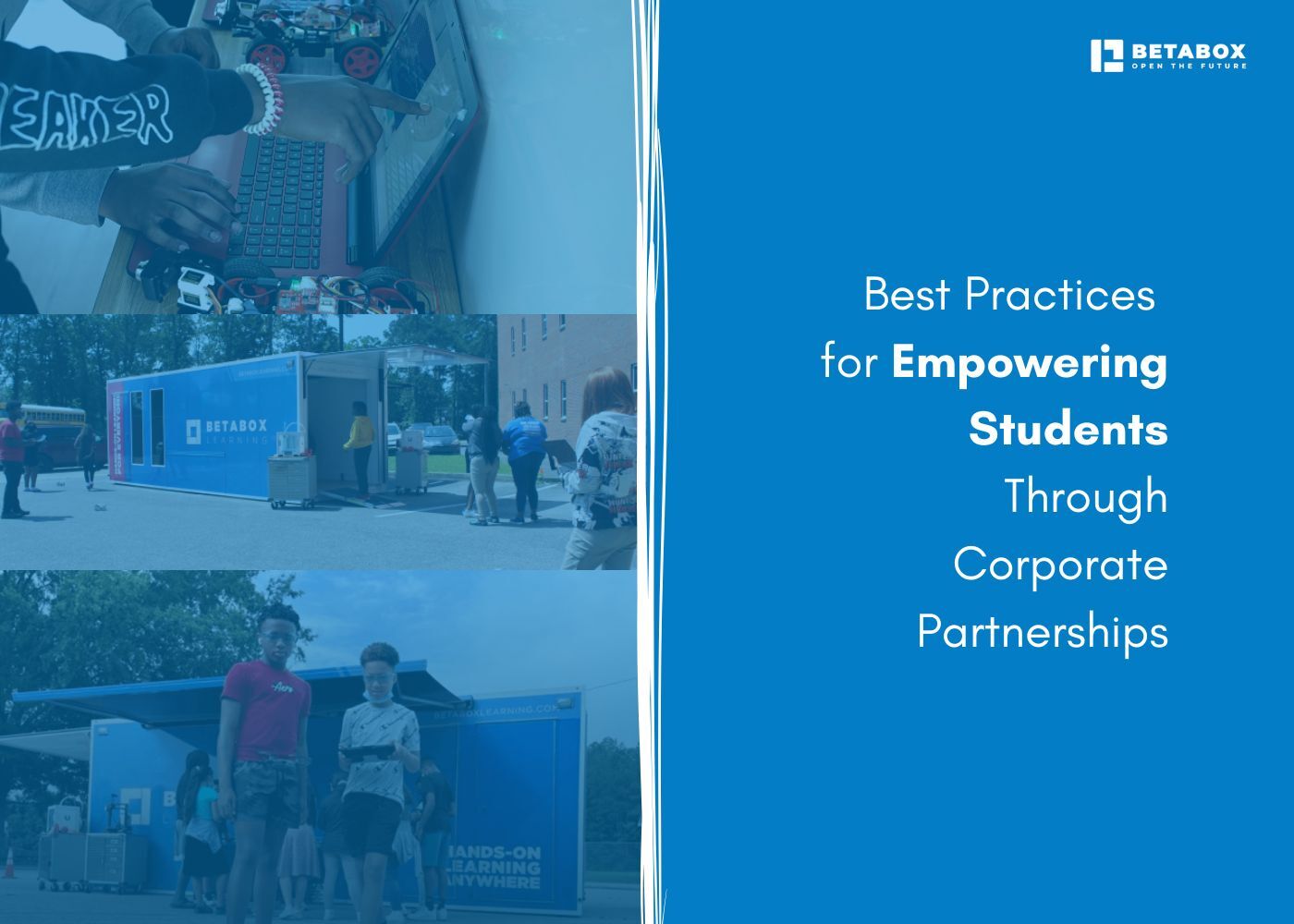
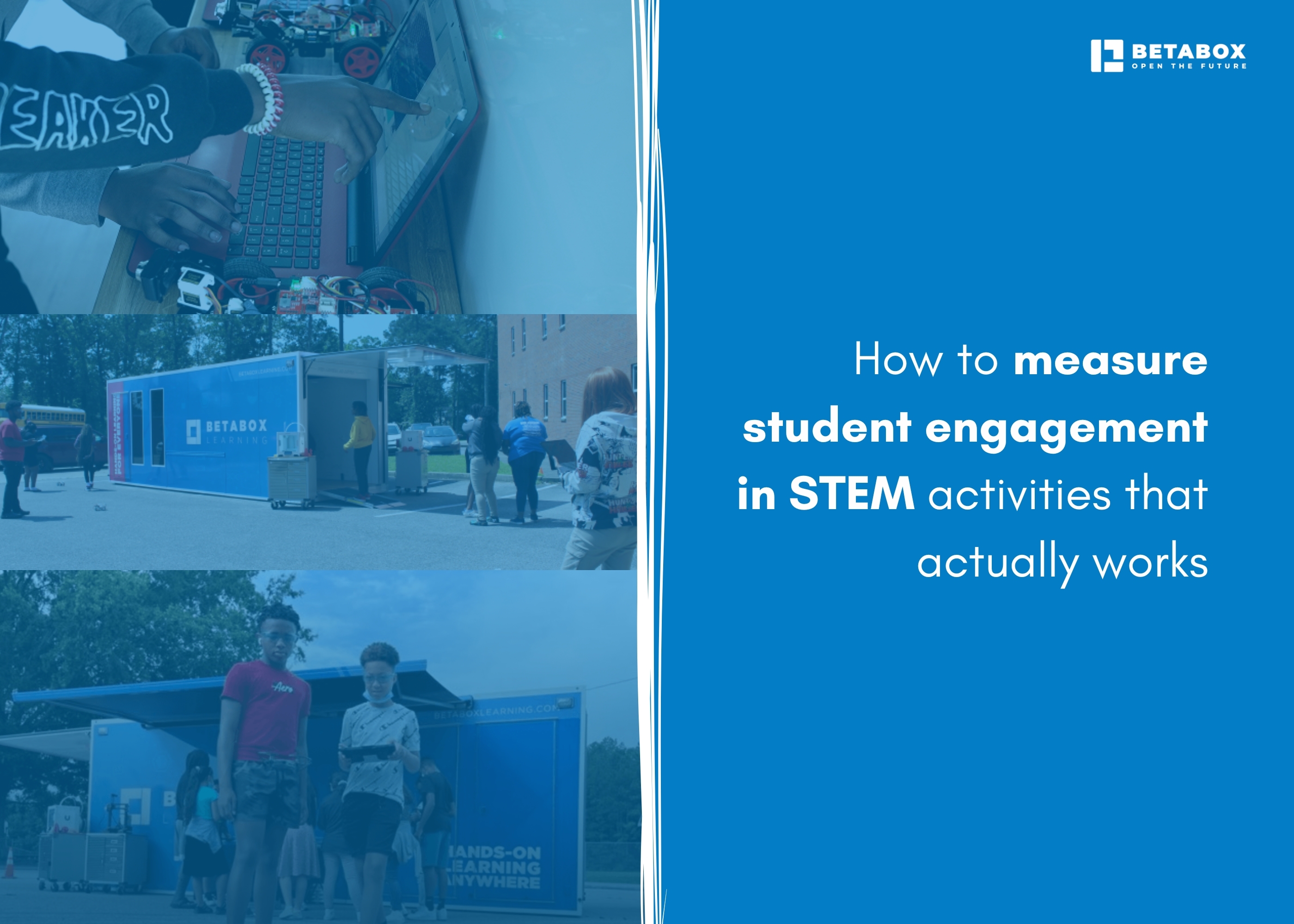
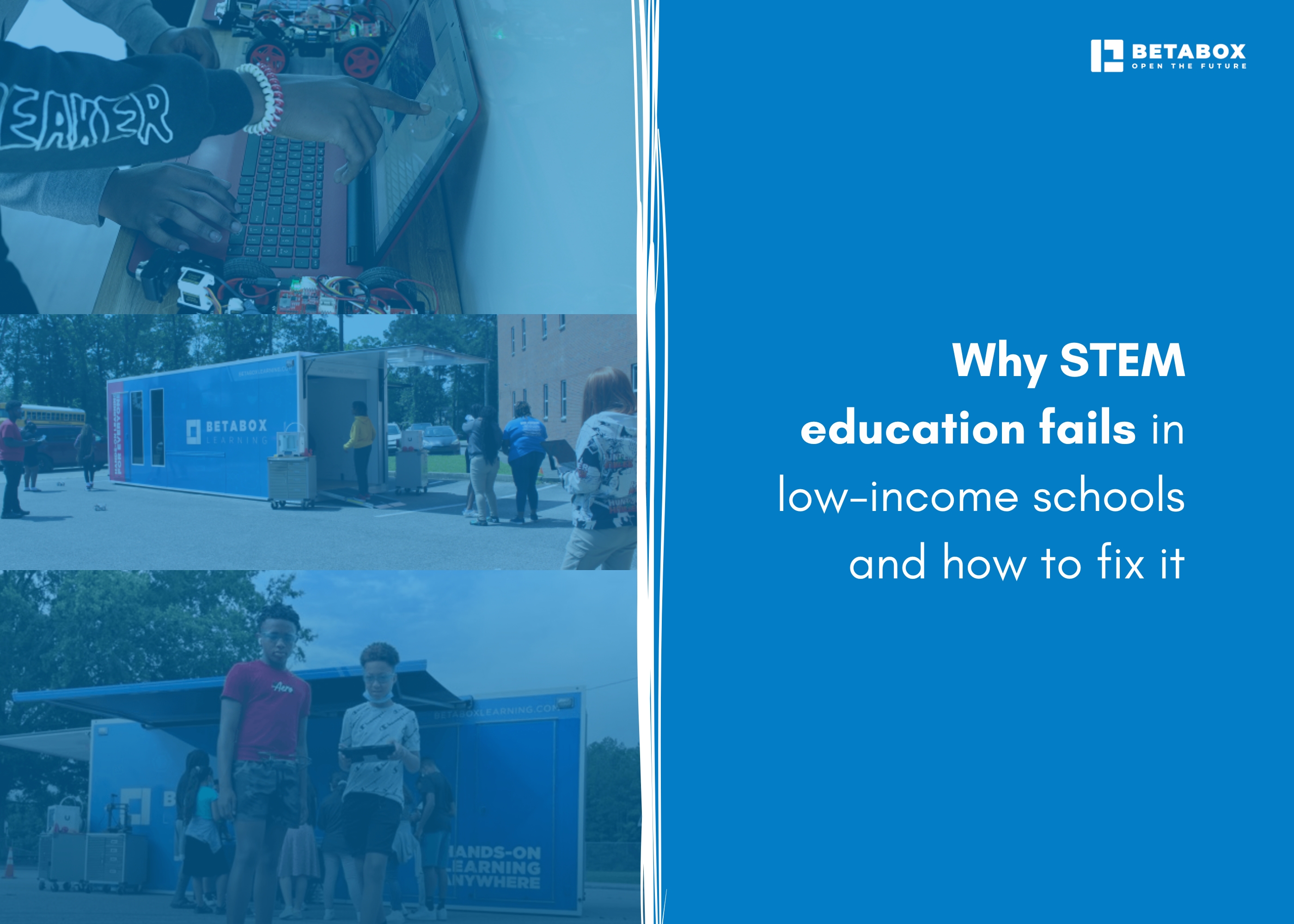
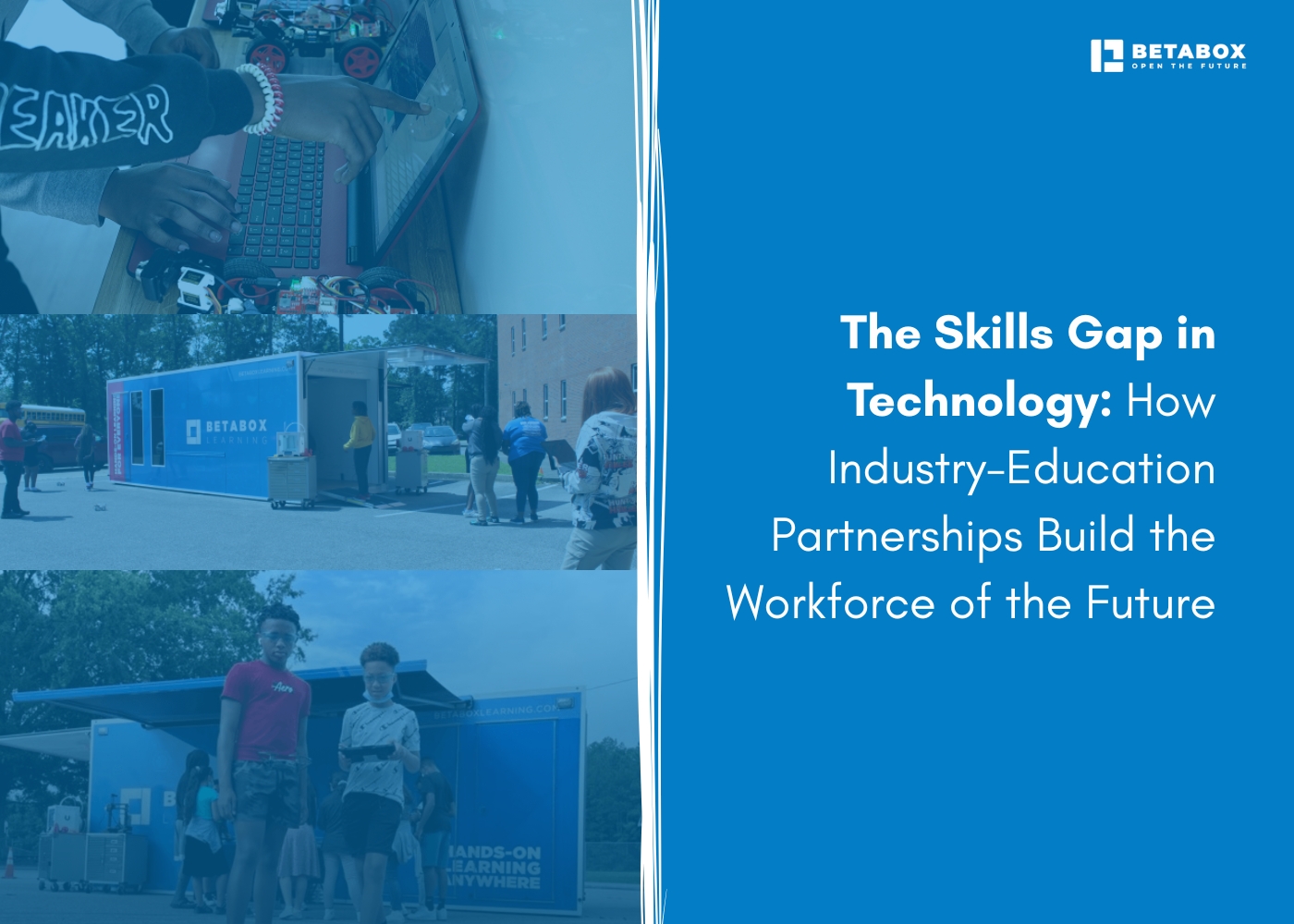
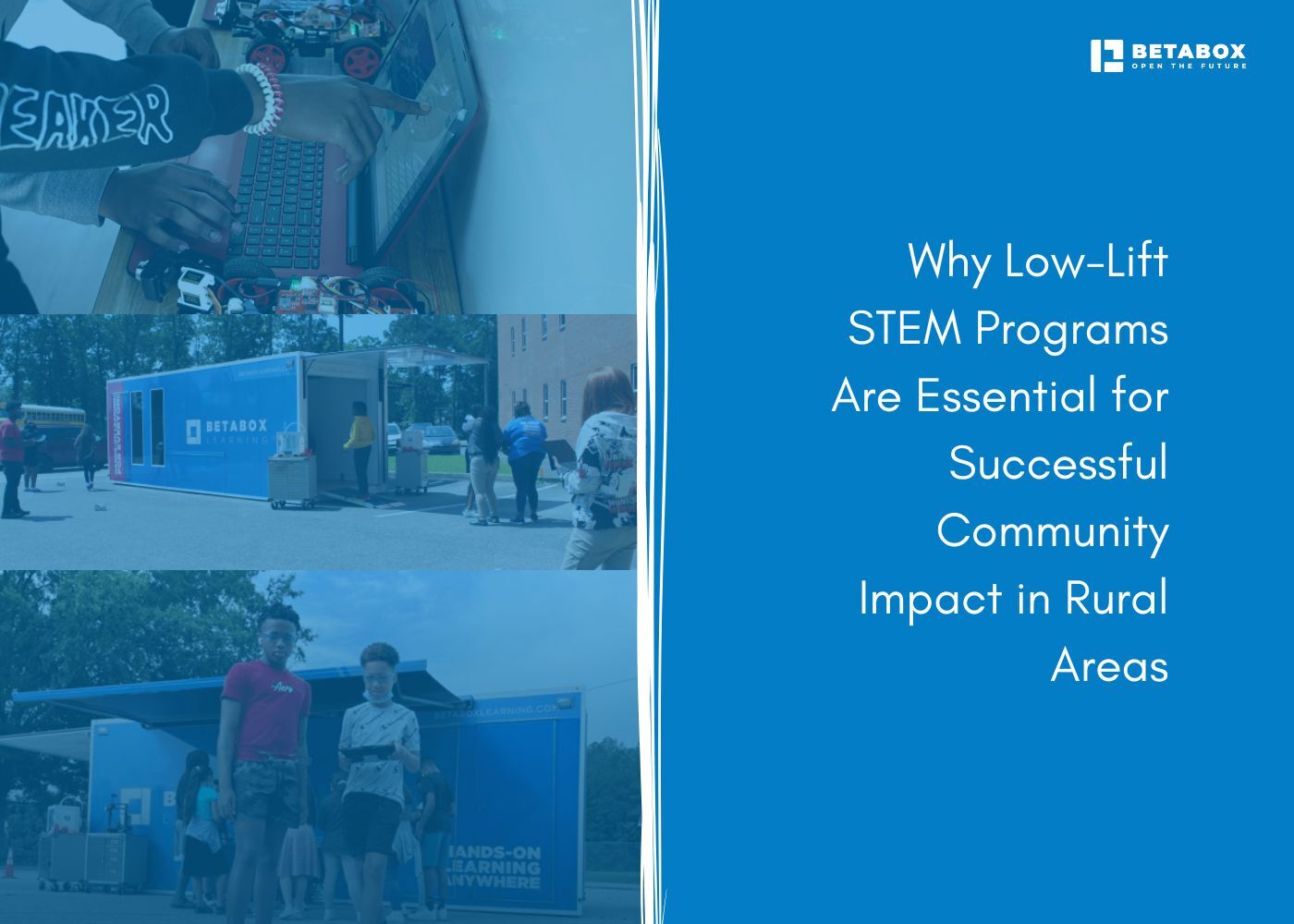
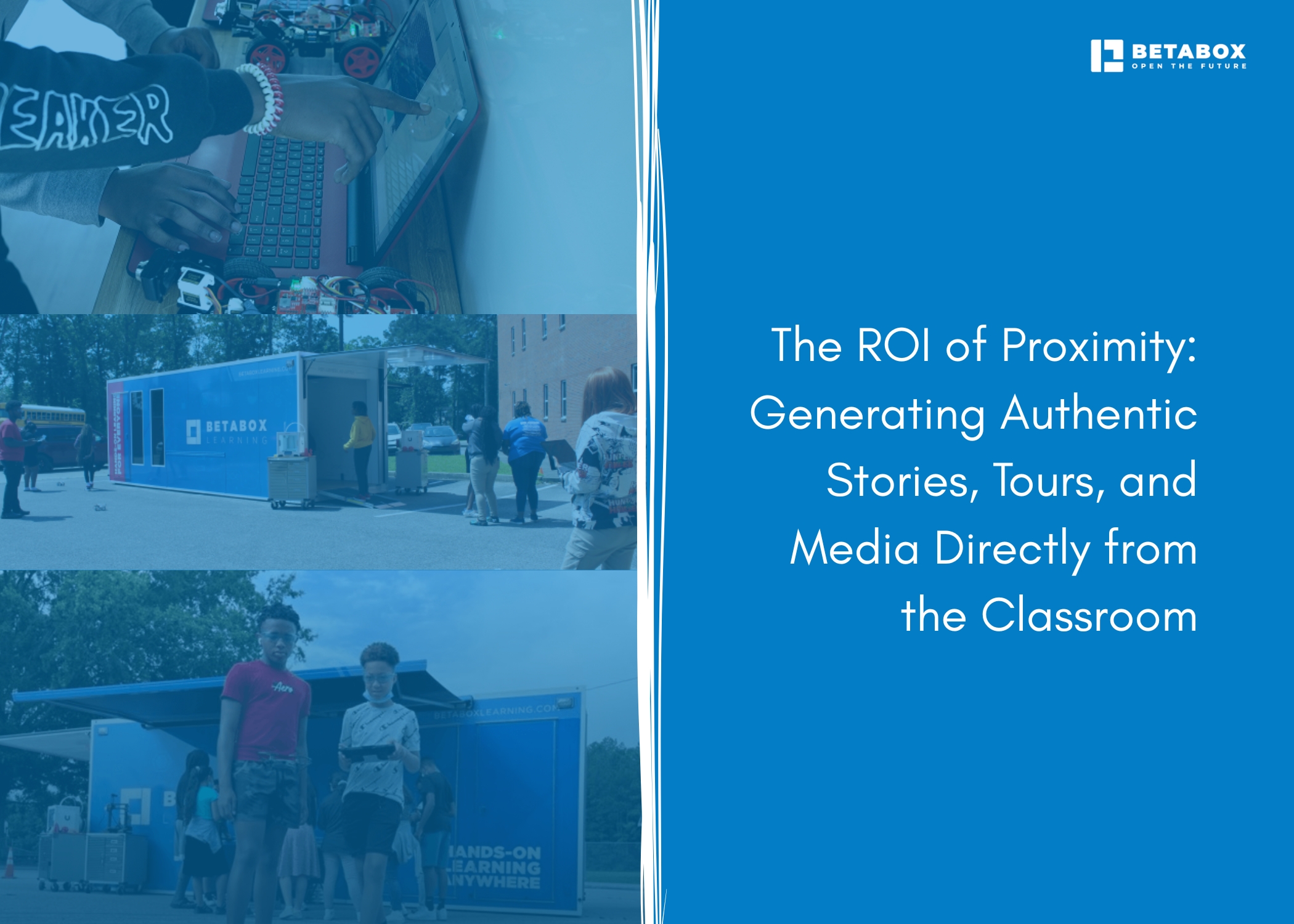
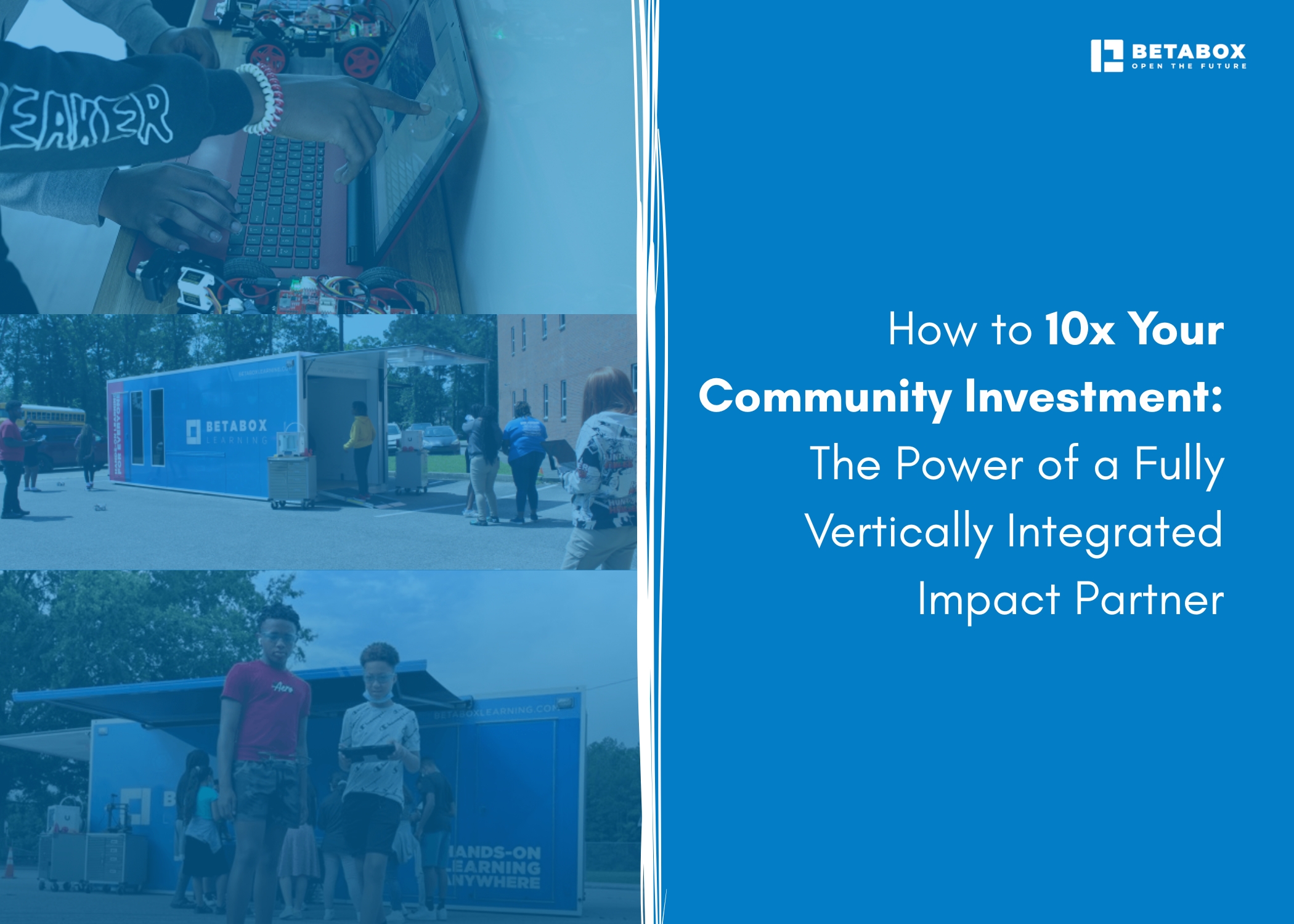
Betabox programs help students connect hands-on technology experiences to career possibilities. When students engage with 3D printing, robotics, coding, and engineering, they gain both skills and awareness of STEM career pathways. With over 500,000 students served, Betabox creates spark moments that shape how young people envision their futures in technology.
Ready to strengthen career pathway connections for your students? Start a conversation about bringing Betabox to your school or district.
When should career pathway planning start?
Career awareness should begin in elementary school, with exploration deepening in middle school and focused pathway work in high school.
What skills do employers value most in entry-level workers?
Communication, problem-solving, reliability, teamwork, and willingness to learn typically rank as high or higher than specific technical skills.
How can schools build industry partnerships for career programs?
Start by connecting with local workforce development boards, chambers of commerce, and individual businesses whose needs align with your student population.
Do career pathway programs improve graduation rates?
Students who see clear connections between school and their futures tend to engage more and persist through challenges, often improving attendance and completion.
What role should counselors play in career pathway programs?
Counselors should guide career exploration, connect students with opportunities, advocate for resources, and ensure all students access pathway programs equitably.
How do you measure career readiness effectively?
Track skills assessments, work-based learning participation, credential attainment, post-secondary enrollment, and employment outcomes after graduation.


Ready to learn how Betabox resources can be implemented at your school or District?
Book a Blueprint Call

.jpg)

.jpg)
.jpg)
.jpg)






.jpg)

At Betabox Learning, we are passionate about making hands-on STEM curricula accessible to all students.






.jpg)