The Executive Case for Hands-On Career Exploration in Every School
Districts across the Southeast face rising expectations for career readiness. Boards, state agencies and families want to know that every student, in every building, gets a real chance to explore careers before high school choices narrow. District leaders also know that a requirement on paper does not change what a seventh grader believes about her future. Students change their minds about careers when they build something with their own hands and then see a local job, internship or college program that connects to what they just built.
The hard part for a district is doing that at scale and proving it happened. Most districts already fund pieces of career exploration: a career day at one school, a grant-funded program at another, a survey a counselor built on her own. Each piece does some good, and each one produces its own records in its own format. When the board asks which students took part and what changed, someone has to assemble the answer by hand.
Betabox built Onsite Field Trips and Betabox CareerStack™ to give district leaders one connected system for hands-on career exploration, from the first planning conversation to the end-of-year report. Since 2015, Betabox has served more than 125,000 students, and Betabox now reaches about 20,000 students a year. The case below follows the three questions district executives ask most often: Will it meet our accountability needs? Will it protect our educators' time? Will students actually engage?
1. District leaders need evidence they can show
Accountability for career exploration depends on records, and records depend on a consistent process across schools. CareerStack gives every school in a district the same process. Students who complete an Onsite Field Trip earn a digital badge with a public link that does not expire. Each badge shows the school, the date and the activity, and students can add it to the career portfolios they already keep, such as NC Careers.
After each Onsite Field Trip, short reflection surveys show which careers students connected with. Betabox provides survey templates matched to each Onsite Field Trip, district staff can customize any question, and the surveys require no student data. Betabox also sends educator surveys to the district after every day. Together, badges, reflection surveys and educator surveys give a district records it can show and keep.
Independent evidence matters just as much as participation records. The Vela Institute, an independent evaluator, studied Betabox Onsite Field Trips and found that student content knowledge rose from 41% to 53% after one visit, and 96% of educators reported they were satisfied. District leaders can share those results with their boards and communities.
2. Educators need their time back
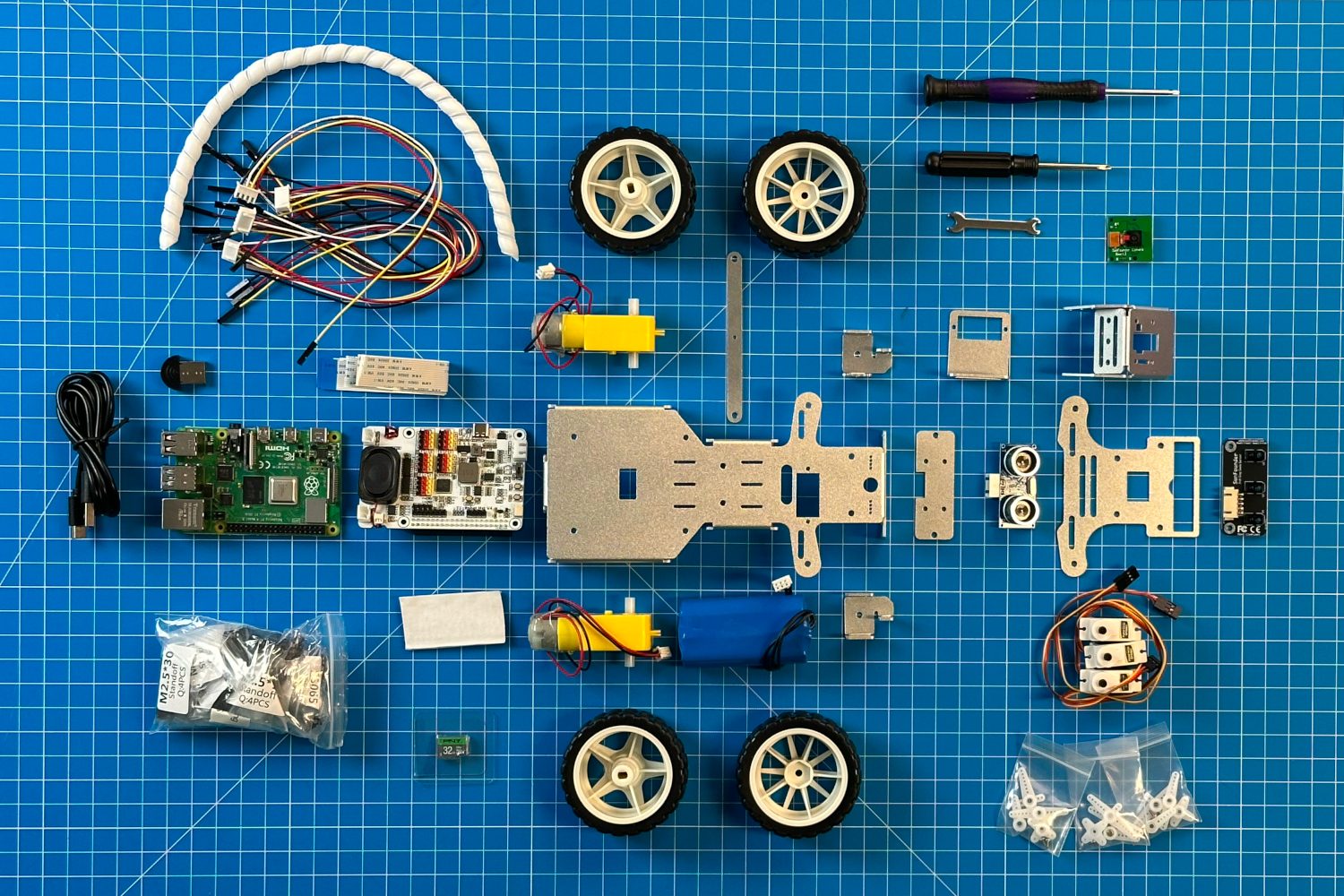
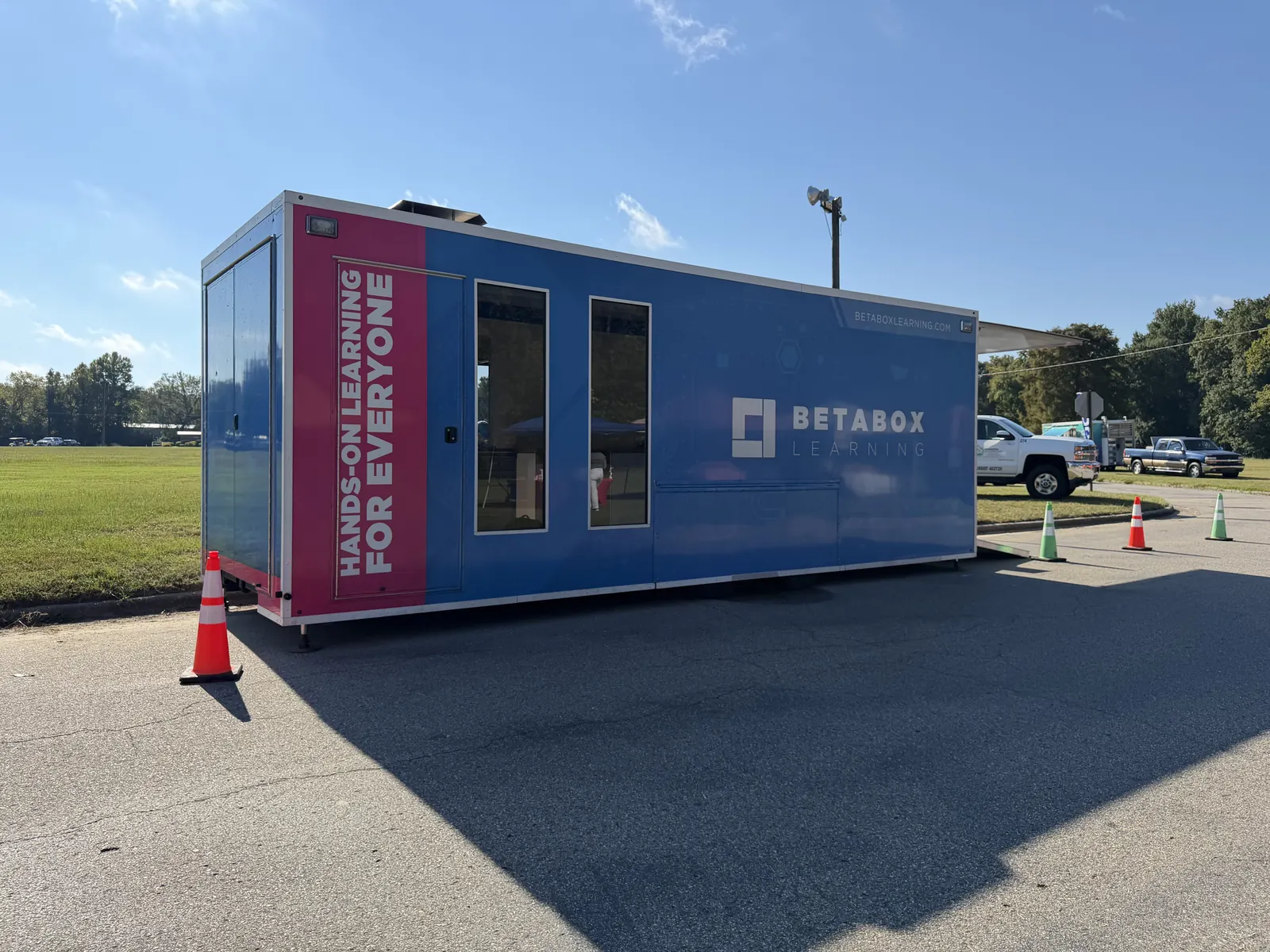
Teachers and counselors carry heavy loads, and every new program asks something of them. Betabox designed Onsite Field Trips to ask very little. A 35-foot mobile STEM lab parks in the school lot, so no student boards a bus and no family signs an off-campus permission slip. Betabox Guides run every session and bring all of the equipment and materials, so teachers have nothing to prepare for the day itself. Students code robots, fly drones and build circuits in sessions of about 55 minutes, and the lab serves up to 125 students a day in class-sized groups.
CareerStack keeps the work around each visit organized. A progress tracker and a checklist follow each Onsite Field Trip, and teachers receive ready-made lessons by grade band to extend the learning in class. Career development coordinators keep proof of career exploration in one place, and CTE directors connect hands-on learning to local industry.
3. Students need experiences that connect to real options
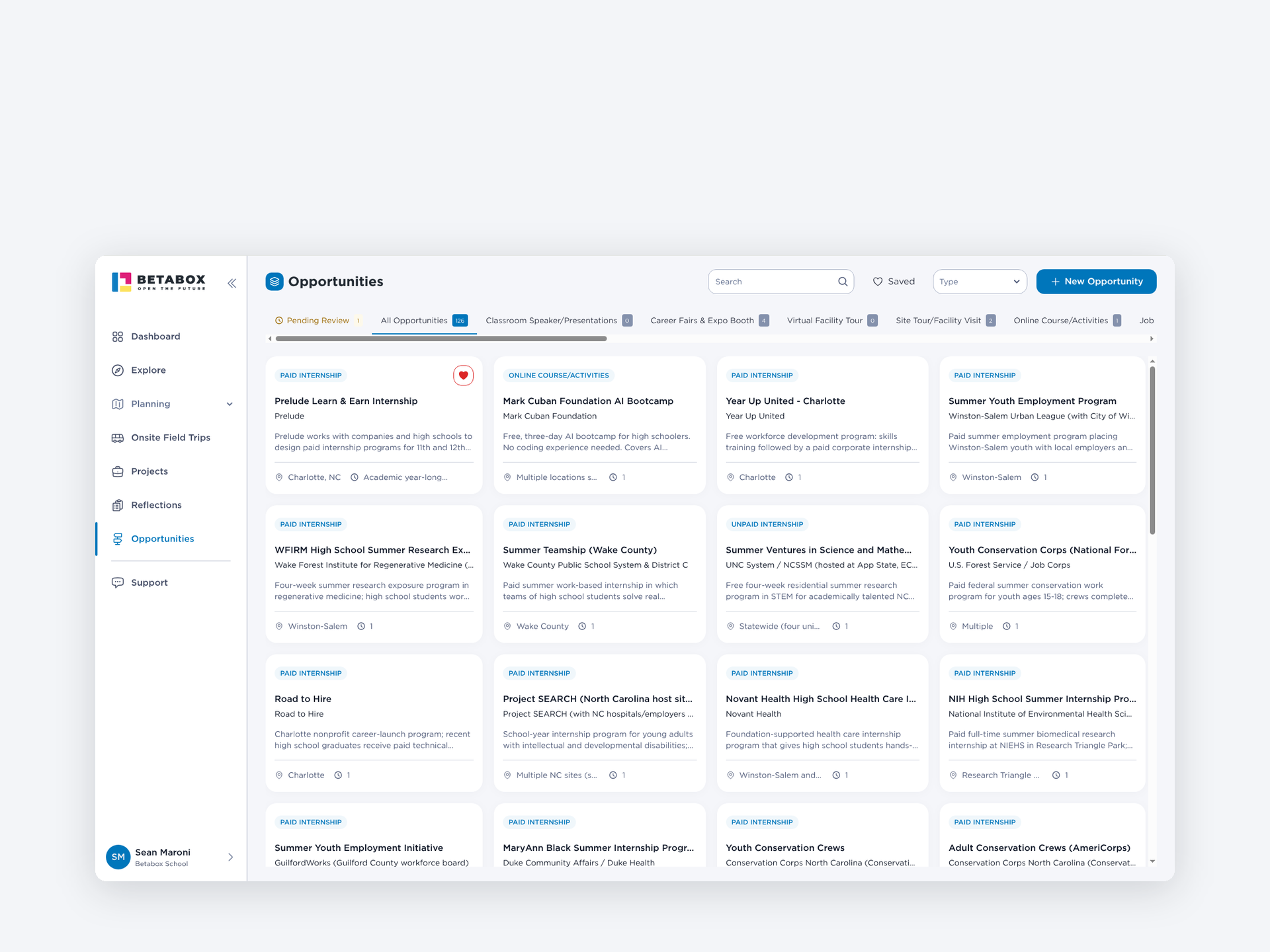
Students commit to a plan when they can picture the next step. CareerStack carries a student from a hands-on experience to a real opportunity nearby. Through Career Opportunities, students and families can browse more than 125 listings for job shadows, internships, apprenticeships and mentoring from local employers and colleges. A badge earned in the lab becomes part of a student's portfolio, and a reflection survey helps the student and the school understand which careers clicked.
For pilot districts, Betabox CareerStack™ now connects those experiences to real starting points in industry. Through Betabox's partnership with Pathstack, pilot districts can add real apprenticeships, internships and other entry points into industry directly to student Badges and Reflections. Students and their families can then see the next step a student can take after an Onsite Field Trip.
Betabox serves grades 4 through 12, and each topic has a version for elementary, middle and high school. A district can build career exploration into the middle grades and keep it going through high school with the same platform and the same records.
One plan connects the work a district already funds
A District Blueprint gives a district one plan for career exploration across its schools, built around the budget the district already has. Betabox builds the District Blueprint with the district, and it covers the schools and Onsite Field Trip days, resources for teachers and students, and an end-of-year impact report.
Funding follows the same plan. Perkins V and Title funds can pay for Onsite Field Trips when the visit fits the district's plans for those funds, and Perkins V allows career exploration activities in the middle grades and high school. A Betabox funding strategist helps districts match each part of the Blueprint to grants and local partners. When a district budget funds at least one Onsite Field Trip day from its Blueprint, the whole district gets full access to CareerStack™. CareerStack is included.
CareerStack can also be configured to connect with the tools districts already use. Reflection surveys export to Google Forms today, so staff can run and review them in a tool most schools already know. The results stay in Google Forms and never come back into CareerStack. Betabox designed it that way to protect student privacy, and it means educators can start using a CareerStack account without a data sharing agreement.
What a connected approach looks like in practice
The University of West Alabama shows what a sustained, connected program can reach. Working with Betabox, UWA has delivered more than 400 Onsite Field Trips to 80 schools in 24 counties across Alabama's rural Black Belt, creating about 21,500 student experiences through FY2025 and training 425 teachers along the way.
Four questions for your leadership team
District leaders who want to evaluate a career exploration investment can anchor the conversation on four questions.
- Reach: Will every school and every student in the target grades take part, including schools that struggle to schedule buses and outside trips?
- Evidence: Will we have badges, survey results and an independent evaluation we can show our board and our state?
- Educator capacity: How much preparation will this ask of teachers and counselors on the day and afterward?
- Continuity: Can the same plan and the same records carry students from the middle grades through high school, and can it work with the tools our staff already use?
Start with your District Blueprint
Betabox serves schools across the Southeast, including North Carolina, South Carolina, Georgia, Virginia, Tennessee and Alabama. District leaders can see how CareerStack works at betabox.com/careerstack or book a district conversation at betabox.com/book/district to start a District Blueprint.
Our Recent Blogs
View All