Student Interest Is Not the Problem: Our Reflections on RAND's Career-Connected Learning Report
At the end of August, the nonpartisan research organization RAND published Preparing Students for What Comes Next: Educator and Student Perspectives on Career-Connected Learning in K-12 Schools. It draws on nationally representative surveys of district leaders, principals, and high school students from the 2025-26 school year. The Thomas B. Fordham Institute then wrote a thoughtful look at the findings and what they mean for Ohio.
We read both closely. Our team runs more than 300 hands-on career exploration events a year at schools across the Southeast, so these findings felt close to home. Here is what stood out, where we agree, and what it suggests for districts.
Schools are already starting in middle school
RAND found that most district leaders describe students' first career-connected learning experiences happening in middle school. Career exploration courses or electives are the most common offering, typically available in 79 percent of districts. Rural districts were significantly more likely than others to offer them. Sixty-seven percent of district leaders said some or all of their middle schools ask students to write a plan for their academic, career, and personal goals.
We agree, and we are glad to see it. Middle school is when students begin to picture who they could become, and when that picture is easiest to widen. The rural finding matches what we have seen. One university partner has sponsored more than 400 Onsite Field Trips at 80 schools across 24 counties in Alabama's rural Black Belt.
Planning conversations come late, and they need better inputs
Nearly every principal, 96 percent, said all students are required or have the opportunity to meet one-on-one with a counselor about college or career plans. Students describe the timing differently. In the spring of the 2025-26 school year, 23 percent of ninth graders said they had met one-on-one with a counselor or adviser about their options after high school. That share was 34 percent in tenth grade, 53 percent in eleventh grade, and 72 percent in twelfth grade. Only 22 percent of students said the information they got from school "very much" matched their interests, while 71 percent said it only "somewhat" matched.
We do not read this as a failure of counselors, and Fordham is right to call for more counselor capacity. We read it as a question of what students bring into the room. A planning conversation goes further when a student already knows what they enjoy. A student who has coded a robot or built a circuit can say "I loved that" or "that was not for me." Either answer belongs in a written plan, and both beat a guess.
Students should hear about every option
About two-thirds of students (66 percent) reported a heavy emphasis on four-year college, while relatively few heard much about two-year community colleges, technical training, or apprenticeships.
A four-year degree is a great fit for many students, as Fordham notes. It is not the only good route into a strong career, though. Students deserve to hear about two-year programs, technical training, and apprenticeships while they still have time to plan for them.
Student interest is not the problem
The finding that struck us most was the gap between plans and follow-through. Among seniors, 66 percent had planned to do an internship or apprenticeship, but only 22 percent had done one by spring. Seventy-one percent had planned to visit an employer or workplace, and 39 percent had. In RAND's words, "student interest is not the limiting factor." The authors add that "many schools may lack the employer connections that are needed to expand those opportunities." In 2025-26, only 37 percent of districts offered any internships and 21 percent offered apprenticeships.
We agree. Students want these experiences, schools want stronger employer connections, and many employers want to reach future talent close to home. What is often missing is a simple way to bring them together well before senior year.
What this suggests for districts
Start in middle school, and reach every student in a grade. Perkins V allows career exploration in the middle grades, which federal law defines as grades 5 through 8, and Title funds can also support this work when it fits a district's plan. In Ohio, Fordham points to Senate Bill 328, which would require middle school career exploration and an academic and career plan by the end of eighth grade.
Make exploration hands-on before the planning conversation. Let students try real tasks first, then ask them to reflect and plan. The reflection is what turns a fun day into a useful data point for a counselor.
Show students all of their options. Put two-year colleges, technical training, and apprenticeships next to four-year college in every career conversation, starting in middle school.
Bring employers in earlier. Employers do not have to wait for internship season. A sponsored school visit lets a local company meet students years before they apply, so the connection already exists when the time comes.
Where Betabox fits
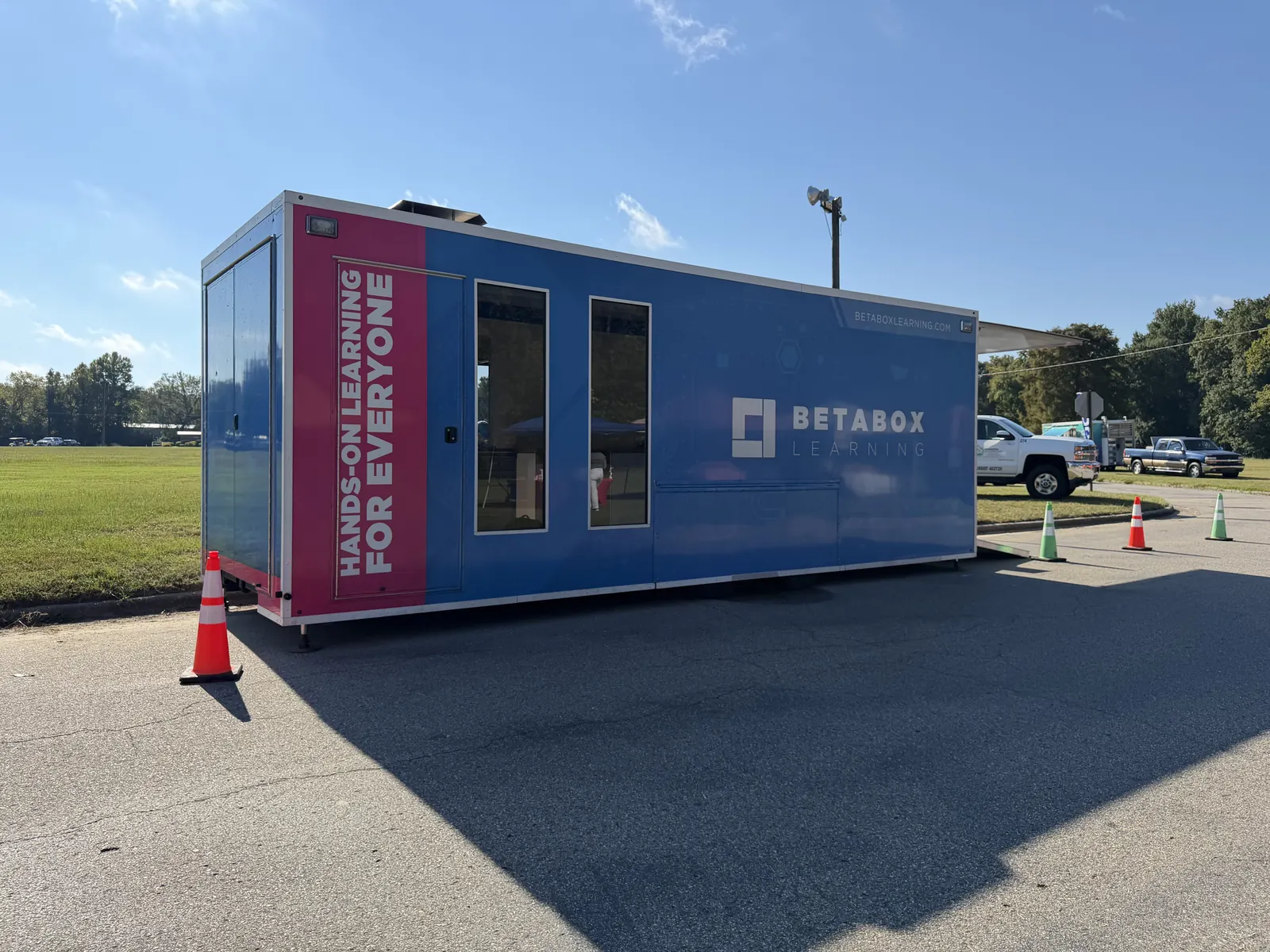
Betabox Onsite Field Trips bring a 35-foot mobile STEM lab to schools for grades 4 through 12, where students code robots, fly drones, and build circuits, with no bus required. Each lab day serves up to 125 students. Industry and community partners sponsor visits in schools they care about, and Perkins V and Title funds can pay for visits too.
CareerStack™ is included with district-funded Onsite Field Trips, and it keeps career exploration going after the visit. Students complete reflection surveys, earn digital badges, and find Career Opportunities such as job shadows, internships, and apprenticeships with local employers and colleges. If your district is planning middle school career exploration, we would love to help.
We are grateful to RAND for this research and to Fordham for helping more people see it. The message we take away is hopeful. Students are ready. Our job is to meet them earlier, with real experiences and every option on the table.
Frequently Asked Questions
What did RAND's 2025-26 report find about career-connected learning?
Most districts start career exploration in middle school. In high school, many students meet with a counselor about their future late, two-thirds hear a heavy emphasis on four-year college, and few complete internships or apprenticeships.
When should career exploration start?
RAND found that most districts already begin in middle school, with career exploration courses or electives typically offered in 79 percent of districts. Hands-on exploration in middle school helps students know what interests them before high school planning begins.
Why do so few high school students complete internships or apprenticeships?
RAND says "student interest is not the limiting factor." Sixty-six percent of seniors planned an internship or apprenticeship, but 22 percent did one. The authors point to limited availability, weak school supports for take-up, and too few employer connections.
How can Southeast districts pay for middle school career exploration?
Perkins V allows career exploration in the middle grades, defined as grades 5 through 8, and Title funds can also pay for Onsite Field Trips when a visit fits a district's plan. Local industry and community partners can sponsor visits as well.
Our Recent Blogs
View All
