Guides
How NC districts can fund middle school career exploration next school year
Last reviewed: October 2026
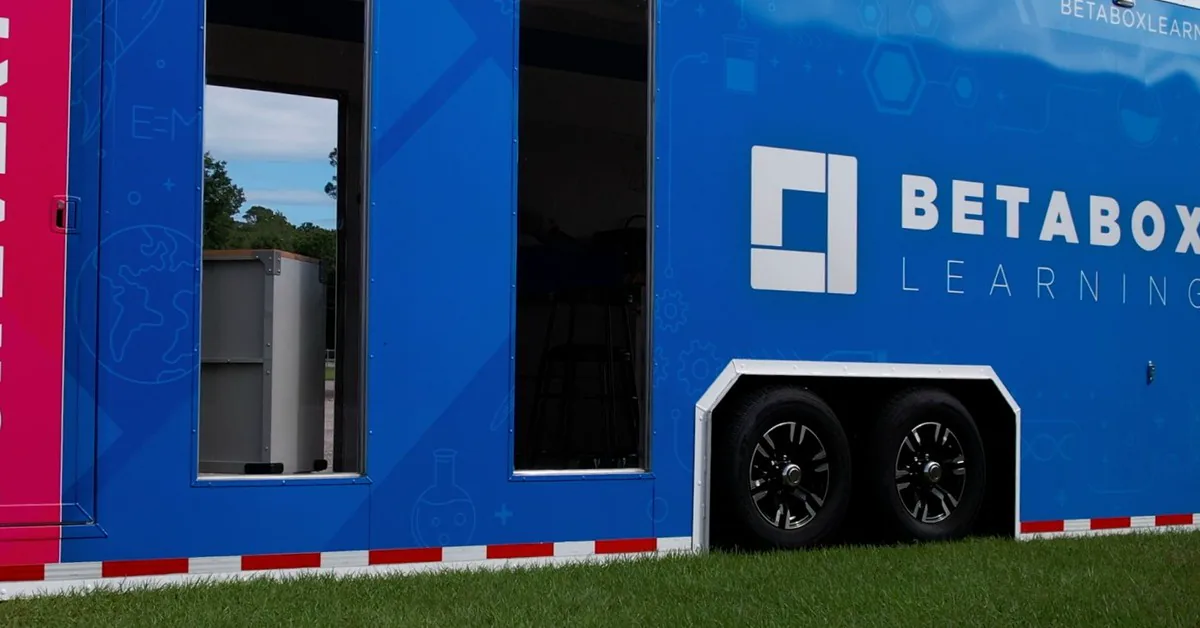
If you are a superintendent, CTE director, or curriculum lead in North Carolina, spring is when you decide how every middle schooler will explore careers next school year, and how you will pay for a plan that reaches every middle school with funds you already manage, without building a new lab or hiring a new team.
North Carolina has made earlier career exploration a clear priority. State law now requires every middle and high school student in a public school to complete a career development plan, so students can explore their interests and connect their education to a future career path. The state also runs the CTE Grade Expansion Program, a competitive grant public school units and charter schools may use only to employ additional licensed CTE, career development, and support staff for sixth and seventh graders. Grades 6 to 8 now belong in the regular CTE conversation, and the lab days in a District Blueprint would be funded from the other sources described below.
You can fund hands-on career exploration for every middle schooler with sources many districts already use, then gather those sources under one District Blueprint.
Local funds, Perkins, and Title IV-A
The notes below describe how districts commonly use these sources for career exploration and hands-on STEM. This is not legal advice. Your finance office, CTE director, and federal programs office make the final call on what your local plans allow.
Your local operating budget, including local CTE program funds, is often the starting point. Local dollars can cover the core lab days you want at each middle school, and they give you a base that federal funds can supplement. Starting with what you already have also makes it easier to show partners and grant reviewers a complete plan.
Perkins V authorizes local recipients to use funds for career exploration and career development activities, including in the middle grades, which federal guidance treats as grades 5 through 8. The law calls for an organized framework that helps students make informed decisions about future education and career opportunities, including introductory career exploration and career awareness activities. In North Carolina, state CTE program support funds, often called PRC 014, are allocated to support CTE programs in grades 6 through 12. Perkins spending has to fit your comprehensive local needs assessment and your local application, and federal funds have to add to state and local spending. See also our page on Perkins V and Title funds.
Title IV, Part A can support well-rounded education, including hands-on STEM learning and field-based experiences that help students understand STEM subjects. Districts often use Title IV-A when a career exploration day fits an identified need in their well-rounded education plan, and their federal programs office will want documentation that the day is instructional.
GEAR UP and sponsor support from local companies
If your district participates in a GEAR UP project, those funds can support activities that help eligible students develop graduation and career plans, including career awareness and planning, and special programs in science, technology, engineering, or mathematics. GEAR UP typically serves a defined cohort, often beginning in middle school. Check with your GEAR UP coordinator on what the current grant allows and which students it can serve.
When district funds cover part of the plan and you still want more schools or more days, local employers and community groups can often close the remaining gap. Local employers can sponsor days to extend your plan, and community groups can help bring the program to more schools, as we describe on our For Districts page. You approve the plan and help with introductions. We handle outreach, logistics, and the final report with you.
What a District Blueprint includes
A District Blueprint is one plan for career exploration across your schools, built around the budget you already have. In practice, many districts plan about two Onsite Field Trip days a year at every middle school, under one district service order. The lab parks in the school lot, and Betabox Guides run every session, so teachers do not have to build or staff a new program. The Blueprint also covers scheduling, resources for teachers and students, and an end-of-year impact report.
CareerStack™ is included. When your district budget funds at least one Onsite Field Trip day from your Blueprint, your whole district gets full access to CareerStack™. Students can keep exploring careers after the lab day through reflection surveys, digital badges, and Career Opportunities.
We have worked with schools across the Southeast since 2015, and we now reach 125,000+ students, about 20,000 students a year. With a District Blueprint, a North Carolina district can use that same model across every middle school, with one plan and one set of records for your board.
What one visit does
The hands-on day is the part students remember, and it also gives you evidence for a board or a budget memo. The Vela Institute, an independent evaluator, studied our field trips. Student content knowledge rose from 41% to 53% after one visit, as reported on our evaluation page. An Onsite Field Trip serves up to 125 students a day, in class-sized sessions, for grades 4 through 12. In the lab, students work through real engineering and technology challenges and see how those skills connect to careers. In CareerStack™, you can keep badges and reflection surveys as records of the day.
A spring to fall planning timeline
Spring is for the budget. Confirm which sources will fund next school year's lab days, pull Perkins, Title IV-A, local CTE, and any GEAR UP or sponsor support into one Blueprint, and take that plan to your board if you need approval before the new fiscal year.
Summer is for scheduling. Once the Blueprint is funded, you lock in school dates, share the calendar with principals, and prepare teachers with the resources they will use around the lab day.
Fall is for the first lab days. The mobile lab arrives at your middle schools, students complete their sessions, and you begin collecting the records that will feed the end-of-year impact report. If you start in the spring, you can have a district-wide plan in place before school starts, and students can be in the lab early in the year.
If you are planning middle school career exploration for next school year, we would be glad to help you build a District Blueprint around the funds you already have. Book a district call to walk through your schools, your budget, and a CareerStack™ demo, or start with our For Districts page.
Questions about funding middle school career exploration
- Which sources can a North Carolina district use for middle school career exploration?
- Districts commonly use local operating funds, Perkins V, Title IV, Part A, GEAR UP when the district is in a GEAR UP project, and sponsor support from local employers and community groups. Your finance office, CTE director, and federal programs office make the final call on what your local plans allow.
- Does Perkins V allow career exploration in the middle grades?
- Perkins V authorizes local recipients to use funds for career exploration and career development activities, including in the middle grades, which federal guidance treats as grades 5 through 8. Spending has to fit your comprehensive local needs assessment and your local application, and federal funds have to add to state and local spending.
- How can Title IV, Part A support a career exploration day?
- Title IV, Part A can support well-rounded education, including hands-on STEM learning and field-based experiences that help students understand STEM subjects. Districts often use it when the day fits an identified need in their well-rounded education plan, and the federal programs office will want documentation that the day is instructional.
- What does a District Blueprint include?
- A District Blueprint is one plan for career exploration across your schools, built around the budget you already have. It covers scheduling, resources for teachers and students, and an end-of-year impact report. CareerStack™ is included when your district budget funds at least one Onsite Field Trip day from your Blueprint.
- How does a district move from a spring budget to fall lab days?
- In spring, confirm which sources will fund next school year and take the plan to your board if you need approval. In summer, lock in school dates and prepare teachers. In fall, the mobile lab arrives, students complete their sessions, and you collect records for the end-of-year impact report.